
KP2MI Launches Tele-Counselling Service to Protect Migrant Workers’ Mental Health
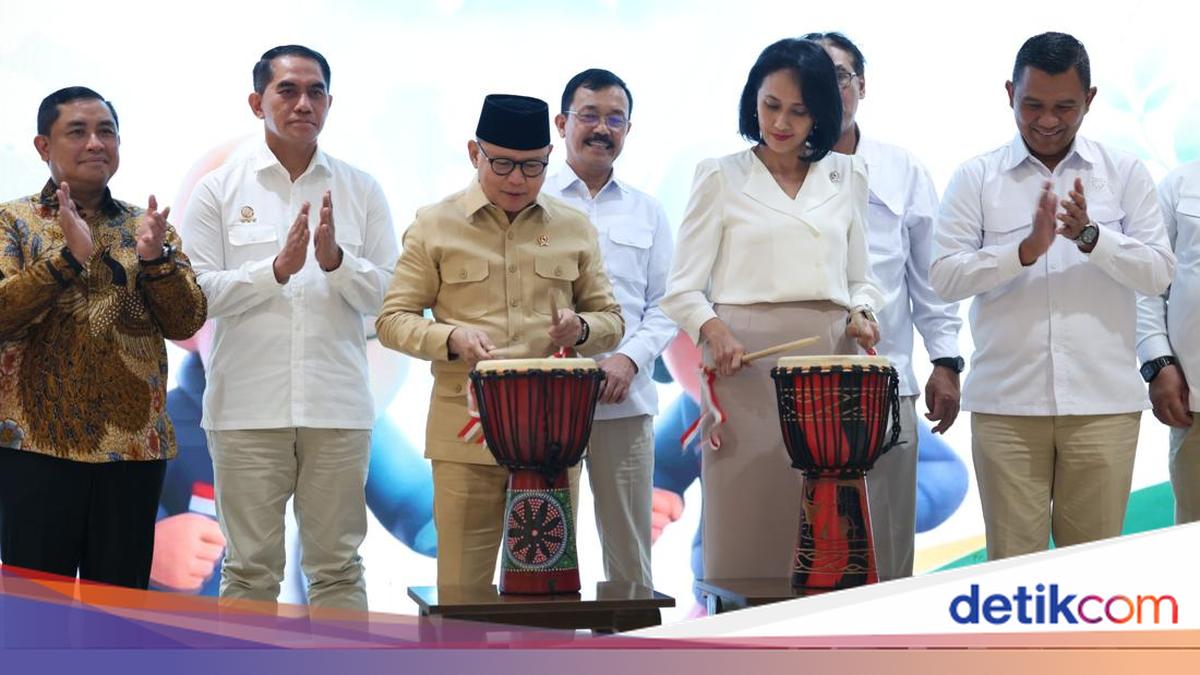
The Ministry for the Protection of Indonesian Migrant Workers (KP2MI) has launched a tele-counselling service to expand access to mental health support for Indonesian migrant workers (PMI), particularly those experiencing psychological distress while working overseas.
The service, under the theme ‘Hear Their Stories, Strengthen Their Journey’, is part of the government’s effort to strengthen protection for migrant workers before they leave, while they are working abroad and after they return home.
Minister for the Protection of Indonesian Migrant Workers Mukhtarudin said the service demonstrates the state’s commitment to ensuring migrant workers receive not only employment protection but also a space to discuss their problems and access mental health support.
‘We hope this service will be a concrete step towards ensuring that every Indonesian migrant worker is not only protected at work, but also has space to talk, receive support and look after their mental health,’ Mukhtarudin said in a statement on Monday (12 October 2026).
He made the remarks at the service’s launch at KP2MI’s office in Jakarta today. The launch was held to mark World Mental Health Day 2026.
Mukhtarudin stressed that mental health is an important part of quality of life and deserves as much attention as physical health.
For that reason, efforts to protect migrant workers must not focus solely on successful placement and administrative requirements. They must also take account of workers’ safety, welfare and psychological wellbeing while they are overseas.
‘Working far from home brings various challenges that can affect migrant workers’ mental health. These include adapting to a different culture and language, work pressures, missing family, and personal or workplace problems,’ Mukhtarudin added.
He said these circumstances can cause loneliness, stress and emotional strain that workers may find difficult to share with others. Access to psychological support is therefore important so that migrant workers do not have to face their problems alone.
Mukhtarudin said that missing one’s family, feeling lonely or being weighed down by problems are human experiences and not signs of weakness.
‘Asking for help is not a sign of weakness, but a courageous step towards looking after yourself and strengthening your path forward,’ he said.
He urged migrant workers not to hesitate to seek help when problems begin to affect their psychological wellbeing or daily activities.
He said mental health awareness should be fostered through individual awareness, support from those nearby and access to professional services when needed.
Migrant worker protection must be comprehensive
Mukhtarudin said attention to mental health is an integral part of the government’s agenda to improve the quality of protection for migrant workers.
This is in line with President Prabowo Subianto’s direction to KP2MI to strengthen protection before, during and after employment. The effort also aims to optimise the placement of skilled migrant workers in the medium-to-high-skilled category.
Mukhtarudin said the directive underscored that improving migrant workers’ capabilities cannot be achieved through skills training and competency certification alone. The government must also ensure that workers have adequate support to face challenges in their destination countries.
He added that protection must cover interrelated areas, from skills preparedness and workplace safety to the fulfilment of rights and physical and mental wellbeing.
Data from the Indonesian Migrant Worker Protection Computerised System (SISKOP2MI) recorded 281,271 migrant-worker placement services across various sectors between January and 4 October 2026. These included domestic work, healthcare, manufacturing and other sectors.
Mukhtarudin said each sector has different characteristics, workloads and responsibilities, creating distinct challenges that can affect workers’ physical and psychological condition.
The large number of placements must therefore be matched by a protection system capable of addressing workers’ needs more comprehensively.
‘Behind every placement figure is an individual striving, a family waiting for news and a future they hope to build,’ he said.
He emphasised that a people-centred approach to protection must be a priority in all government policies and services for migrant workers.
Four steps to protect mental health
Mukhtarudin outlined four steps migrant workers can take to look after their mental health while working overseas.
First, maintain communication with family, friends and fellow migrant workers. Support from those close to them can help workers through difficult periods and ease feelings of isolation when they are far from home.
Second, recognise and manage stress. Workers can make time to rest, worship, exercise or take part in other positive activities to maintain emotional balance.
Third, do not keep problems to yourself. When difficulties arise, migrant workers should feel able to talk to someone they trust or seek professional help if they need further support.
Fourth, show concern for fellow migrant workers. Listening, offering care and providing encouragement can be a meaningful source of support for those facing problems.
Mukhtarudin said looking after mental health can begin with individuals and those around them. However, some problems require further attention, making counselling services an important part of the migrant-worker protection system.
Tele-counselling hotline launched
Mukhtarudin said the tele-counselling service offers consultations through the hotline 08118080141 for migrant workers seeking mental health support. It is intended to provide assistance without geographical barriers, wherever workers are in their destination countries.
He urged migrant workers to use the service whenever they need mental health support. Those seeking assistance can call 08118080141.
‘Distance and differences between the countries where they work should not prevent migrant workers from receiving help,’ Mukhtarudin said.
He hopes the tele-counselling service will be sustained, easy to access and available to workers who need it. He also called for stronger coordination and cooperation among ministries, agencies and Indonesian representatives overseas.
He said the launch was also an opportunity to raise awareness that mental health is an essential part of migrant-worker protection and must not be overlooked.
Mukhtarudin hopes that appropriate support will help migrant workers deal with problems more effectively and carry out their work with their psychological wellbeing better protected.
He also urged all stakeholders to use World Mental Health Day as an opportunity to strengthen concern for the mental health of Indonesian migrant workers.
He said successful protection should be measured not only by workers’ ability to work safely and professionally, but also by attention to their wellbeing and quality of life.
‘Hear their stories, strengthen their journey,’ Mukhtarudin concluded.
The launch was also attended by Deputy Minister for the Protection of Indonesian Migrant Workers Christina Aryani and KP2MI Secretary-General Commissioner General of Police Dwiyono, who accompanied Mukhtarudin.
Other attendees included the director-general of Dr Soeharto Heerdjan Mental Hospital, Dr Raden Soeko Werdi Nindito Daroekoesoemo; Budhi Hidayat Laksana, assistant deputy for migrant-worker placement and protection at the Coordinating Ministry for Community Empowerment; Dr Niken Wastu Palupi, director of health promotion and community health at the Ministry of Health; and Dr Agung Nugroho, director of membership at BPJS Ketenagakerjaan.
A number of senior officials from ministries and agencies attended in person or online. Officials from Indonesian embassies and consulates-general also joined remotely.
Source: jawawa.id (https://jawawa.id/newsitem/kp2mi-launches-tele-counselling-service-to-protect-migrant-workers-mental-health-1791805998)
Originally published by detikcom (https://news.detik.com/berita/d-8703823/kp2mi-luncurkan-telekonseling-lindungi-kesehatan-mental-pekerja-migran), translated from Indonesian