
Kowani Urges Nusantara Textiles to Become a Cultural and Women's Economic Force
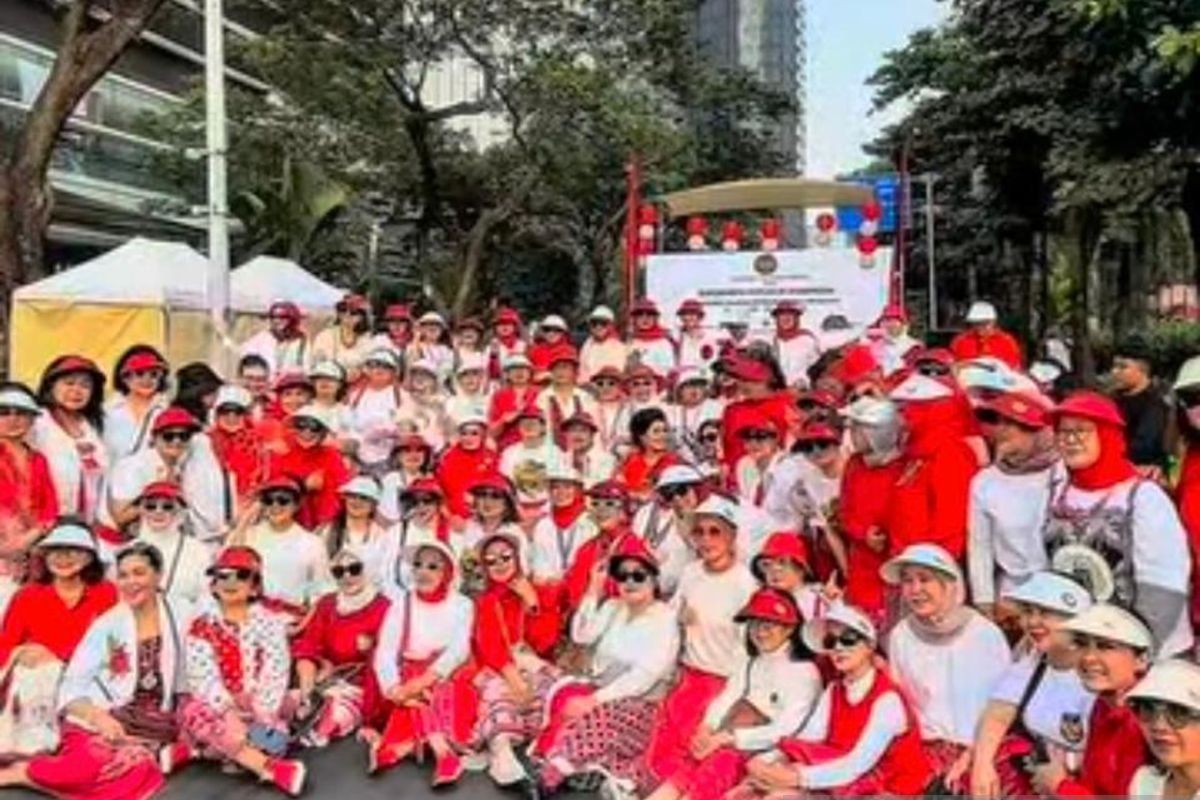
Jakarta (ANTARA) - The Indonesian Women’s Congress (Kowani) has stated that the preservation of Nusantara textiles needs to be developed alongside the improvement of welfare for the women and families who maintain this cultural heritage.
“Wearing traditional cloth is not merely a way of dressing. Nusantara textiles represent identity, economic strength, and a civilizational heritage that we must protect and pass on to future generations,” said the General Chairwoman of Kowani, Nannie Hadi Tjahjanto, in a statement in Jakarta on Monday.
According to her, behind every piece of Nusantara cloth lies an economic ecosystem involving many women, ranging from weavers, batik artists, and artisans to designers, traders, and MSME entrepreneurs.
“The movement to love Nusantara textiles must be taken further—from cultural preservation towards economic empowerment, from communities towards wider markets, and from Indonesia towards the world,” said Nannie Hadi Tjahjanto.
She expressed support for the ‘Jalan Pagi dan Kuliner Merah Putih’ event organised by KCBI in commemoration of the 81st Anniversary of Indonesian Independence in the SCBD area, Jakarta.
She assessed that integrating elements of culture, health, culinary arts, sports, and the creative economy into a single event is a relevant approach to building an impactful community movement.
Her organisation encourages women to become drivers of development, starting from the family and community levels up to the regional and national levels, while simultaneously strengthening the position of women as the guardians and heirs of the nation’s culture.
According to her, the momentum of the 81st Anniversary of Indonesian Independence should be interpreted not only by remembering the struggles of our predecessors but also by presenting tangible works that can be inherited by the next generation.
“Independence must be filled with meaningful work. Let us keep Indonesian culture alive, drive MSMEs, promote family health, strengthen brotherhood, and ensure women are empowered,” said Nannie.
She hopes that the movement to wear traditional textiles will continue to grow into a cultural and economic force capable of elevating the works of Indonesian women to both national and international levels.