
Koster Says Bali Must Not Continue to Rely on Tourism
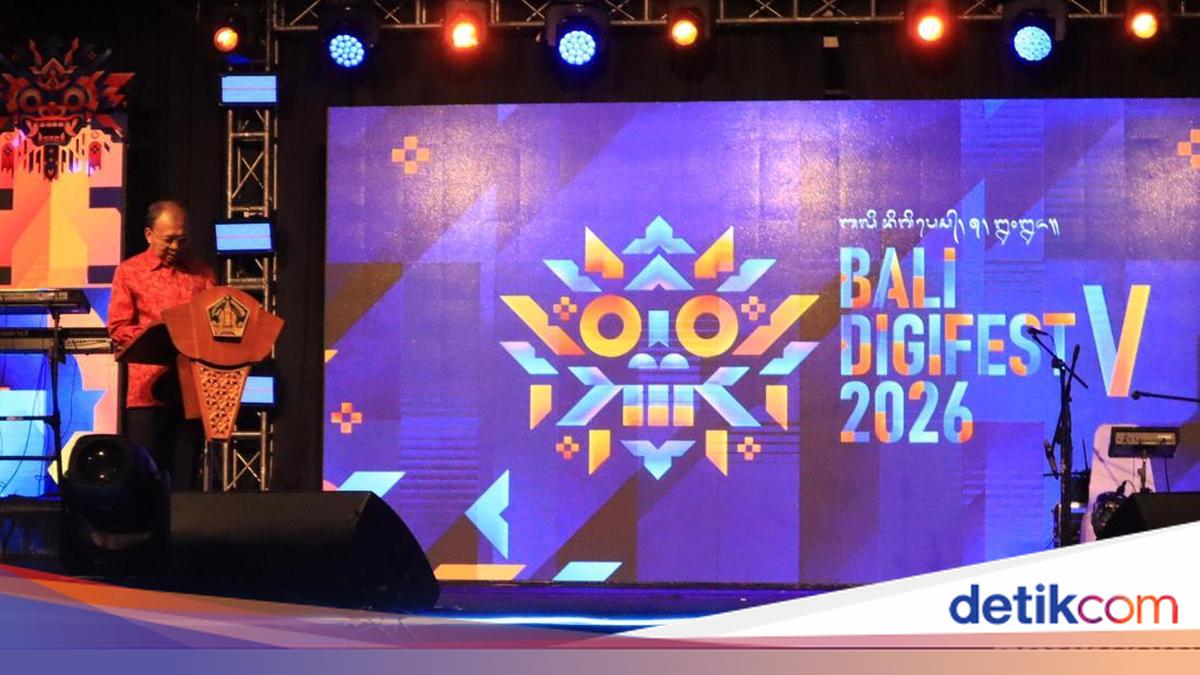
Bali Governor Wayan Koster does not want the Island of the Gods’ economy to continue relying on tourism. He is developing the creative and digital economies as new sources of growth for Bali.
“Bali’s economy must not rely on just one sector, namely tourism,” Koster said at the closing of the fifth Bali Digital Festival (Digifest) 2026 at the Prime Plaza Hotel Sanur in Denpasar on Saturday night, 14 November.
Koster said tourism brings in visitors, while the creative economy serves the market with a range of locally made works and products. He said the potential was considerable because creativity was already part of Balinese life, from dance, music and crafts to woodcarving and painting.
He said around 665,000 people in Bali currently work in the creative economy. The figure had previously been cited by the Minister of National Development Planning, who is also head of the National Development Planning Agency (Bappenas), at the opening of Bali Digifest 2026.
“The creative economy is also inclusive. Many people can take part; what matters most is creativity, and almost everyone has that,” he said.
Expanding local products into global markets
Koster said creative economy development should not stop at producing works. Businesses must also broaden their marketing so that local products can reach international markets.
One example is the Blueberry guitar, made by local craftspeople. It combines traditional woodcarving with modern instrument-making techniques, giving it a distinctive character and global competitiveness.
Koster also encouraged collaboration among creative professionals, including artists, craftspeople, designers, photographers and content creators. Collaboration across subsectors, including the blending of cultural arts and technology, could produce goods with greater economic value, he said.
“Bali will become a creative and innovative hub for producing high-quality goods with high economic value,” he added.
Koster also stressed the importance of intellectual property (IP) protection. He urged creators to register their copyrights promptly so their work is protected and can be used as collateral for business financing.
Creative works are economic assets, he said. Without legal protection, they risk being used by other parties without the creators receiving any benefit.
Koster said the government would act as regulator and facilitator, while communities and creative economy businesses were expected to drive the development of works and innovation.
The Bali Provincial Government is committed to supporting the sector through policies and facilities to expand employment opportunities for young people and strengthen the regional economy.
Bali Digifest V 2026 ran from 12 to 14 November, with a target of 11,000 visitors. First held in 2022, the festival featured conferences, workshops, exhibitions, business innovation competitions, creative content, short films, AI innovations and music performances.
The festival closed on Saturday night with prizes awarded to competition winners and a free concert featuring Nyoman Paul and a collaboration between Dek Ulik and Widi Widiana.
Source: jawawa.id (https://jawawa.id/newsitem/koster-says-bali-must-not-continue-to-rely-on-tourism-1794671430)
Originally published by detikBali (https://www.detik.com/bali/bisnis/d-8753364/koster-tak-mau-bali-terus-bergantung-pada-pariwisata), translated from Indonesian