
Kompolnas Urges Metro Jaya Police to Ensure Pedestrian Safety at Night
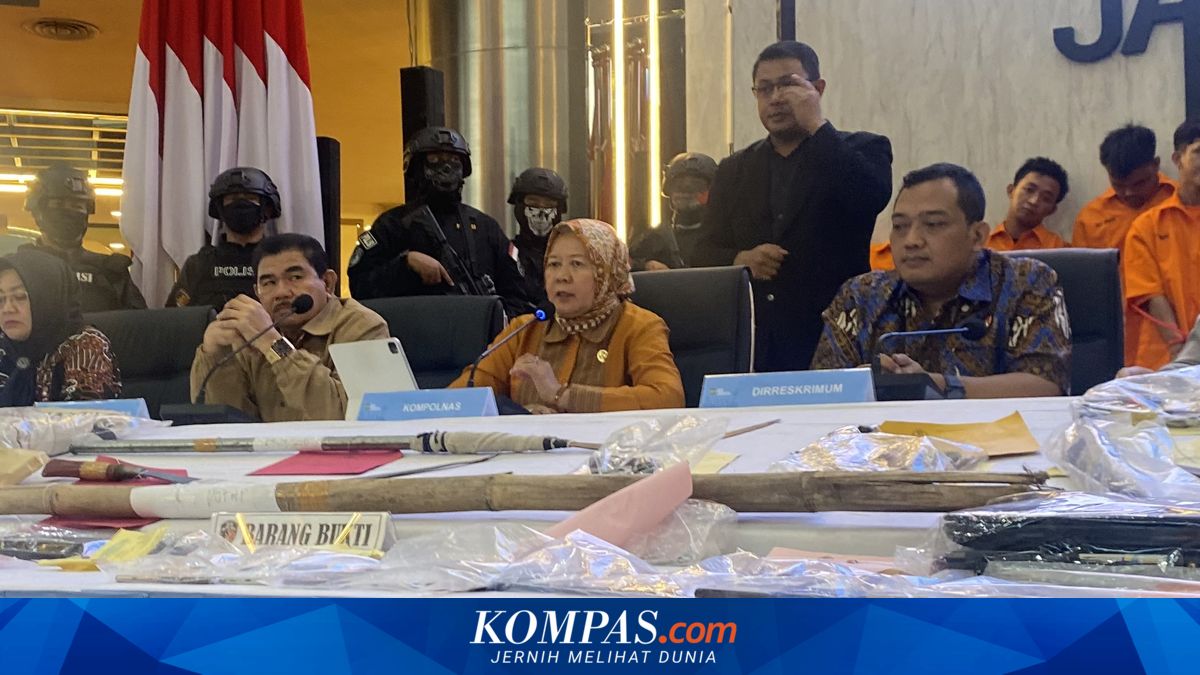
Jakarta — The National Police Commission (Kompolnas) has stressed the importance of the Metro Jaya Regional Police ensuring the safety and security of pedestrians at night.
Kompolnas member, Inspector General (Ret.) Ida Oetari, said this relates to the Harkamtibmas (Pemeliharaan Keamanan dan Ketertiban Masyarakat) security index.
‘It is one of the indicators for kamtibmas assessment: that people walking at night feel safe. This is what must be achieved by the Metro Jaya Police,’ she said at a press conference at the Metro Jaya Police headquarters on Friday (22 May 2026).
‘Thus, this (poskamling) becomes the hands and feet of the Metro Jaya Police for proactive activities so that, if proactive, crime does not rise,’ she added.
Currently, the Metro Jaya Police have formed a Begal Hunters Team to tackle street crime, particularly robbery with violence and motor vehicle theft.
However, Ida argued that the unit should not focus on one type of crime alone, but address various forms of criminality.
‘Most importantly, so that the energy of the Metro Jaya Police is not drained focusing only on this one area of crime—curat (theft), curas (mugging), or curanmor (motor vehicle theft)—but there are other criminal acts that should also be a focus,’ she said.
Meanwhile, the safety of pedestrians has also drawn the attention of the Jakarta Legal Aid Institute (LBH). According to them, the Jakarta Provincial Government should improve public facilities at high-risk points, including street lighting in secluded and dark locations.
‘The local government should also improve road infrastructure at vulnerable places, lighting, protect vulnerable groups, and ensure socio-economic welfare, which are closely linked to reducing street crime such as begal,’ Fadhil of LBH Jakarta told Kompas.com on Tuesday (19 May 2026).
In addition, he added that accessible public transport at night is important to support residents’ safety.
‘Public transport must be made as inclusive as possible so that mobility for the public—not only during the day or evening but also at night—can be accommodated. Because many workers rely on it, and they need public transport,’ he said.