
Komodo National Park Officials Say Crocodile in Tourist Waters Will Move on Its Own
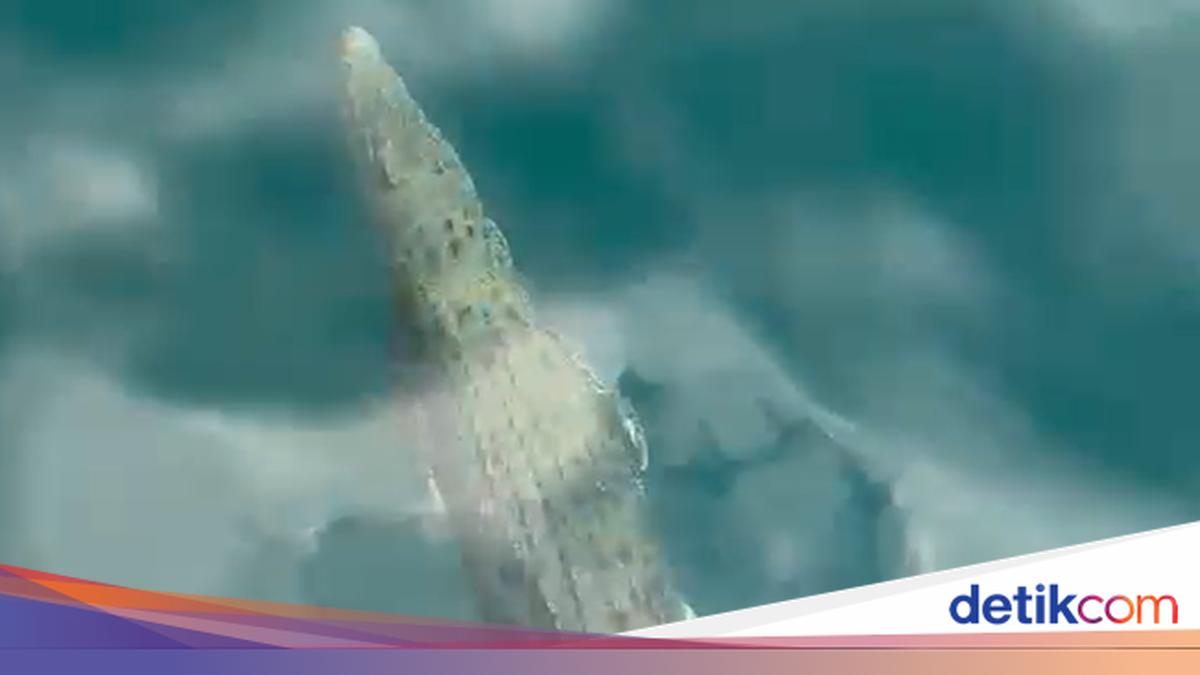
The Komodo National Park Authority (BTNK) has confirmed it will not capture the crocodile previously seen in the waters of Strawberry Rock and Kalong Island within the Komodo National Park area of Labuan Bajo, West Manggarai, East Nusa Tenggara (NTT). The reason is that the wild animal is expected to relocate on its own.
“By natural instinct, all wild animals will move from one place to another,” explained BTNK Head Hendrikus Rani Siga on Saturday (18/7/2026).
Hengki cited the example of Komodo dragons that swim in the sea but are not captured. Such dragons will return to land on their own.
The spots where the crocodile appeared are diving and snorkelling sites. Hengki urged tourism operators and tourists to remain vigilant about the crocodile’s presence in the park’s waters.
“Yes, Strawberry Rock and Kalong Island are diving and snorkelling spots,” Hengki said.
Previously, the crocodile was seen swimming on the water’s surface on Friday (17/7/2026). Its appearance drew the attention of tourists sailing through the park’s waters on tour boats.
Hengki said the crocodile observed is suspected to be a saltwater crocodile (Crocodylus porosus), a wild species that occurs naturally in NTT. Its distribution, he explained, is generally concentrated in coastal areas, river estuaries and mangrove ecosystems — for example around the Nanga Nae River, the Gorontalo coast behind the Jayakarta Hotel, and the mangrove area of Golo Sepang Village.
“Ecologically, the saltwater crocodile is a semi-aquatic apex predator capable of swimming long distances and moving between islands in response to habitat dynamics, food availability and its natural behaviour,” Hengki said.
He noted that the species is also known to be capable of migrating across waters, including from Australia to the Nusa Tenggara region.
“The appearance of the individual near Strawberry Rock and Kalong Island is thought to be part of the animal’s natural movement outside its main habitat,” Hengki said.
He called on residents and tourism operators to heighten their vigilance when carrying out activities near where the crocodile was sighted.
“Avoid swimming or undertaking water activities in the area, and immediately report any further crocodile sightings to Komodo National Park Authority officers or the relevant authorities,” he concluded.