
Komnas Perempuan Views Power Relations as Root of Pati Rape Case
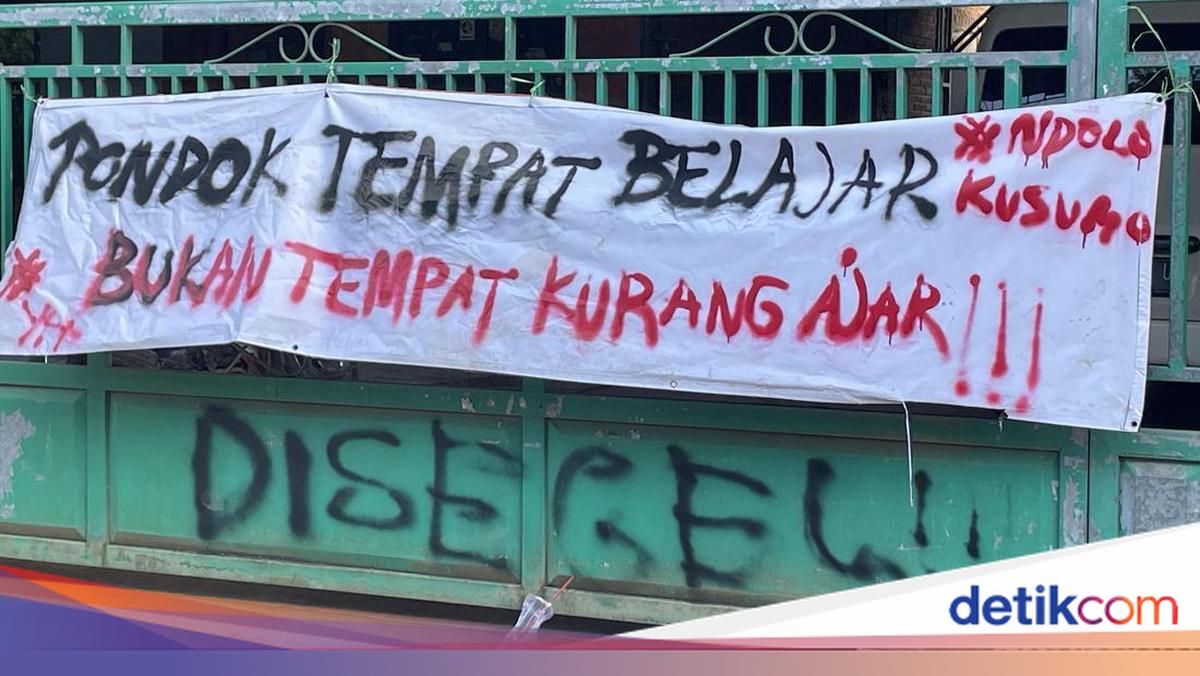
“If, for example, this seems like slavery, actually it’s not, not exactly like slavery, but the pattern of the relationship is indeed a slavery-like pattern between the slave owner and the slave, it does appear that way,” said Maria Ulfah when contacted on Thursday (7/5/2026). She clarified that the slavery in question is not actual slavery involving physical torture. According to her, what the victims experienced was psychological torture. “But in other aspects, it might still be relatively not like slavery because slavery usually involves torture as well. Here, the torture seems to be not physical but psychological torture and also includes various terrors,” she explained. “If, for example, they refuse to comply, they are considered children who have committed a violation,” she continued. Maria views the root of the problem in this case as closely related to power relations. She stated that the perpetrator holds significant power while the victims are still children and thus powerless. “This power relation pattern, in my opinion, is the root of the problem. Because between the perpetrator and the victims, there is indeed a very imbalanced power relation. The perpetrator has authority as the caregiver of the pesantren, while the female students are children aged even as young as seven years old, up to junior and senior high school age. So there is a power relation here that makes the victims powerless,” she said. Furthermore, Maria highlighted the female student victims who became pregnant after being raped. Worse, she said, the victims were then married off to senior students after the rape. “We also received information that some victims even became pregnant and then those who were pregnant were married off to their senior students. And the senior students also have no power. Whatever the Kyai wants is what must be accepted by the students,” she stated. “And the students accept it just like that in the name of the teachings conveyed about takzim, about respect, so in the name of respect for the Kyai once again, the senior students are willing to marry the child who has been impregnated by the perpetrator,” she added. Next, Maria also spotlighted the teachings of devotion to teachers commonly applied in pesantrens. “What is taught is that children must obey and respect their teachers, must comply with whatever is asked as a form of devotion to the teacher, something like that,” she added.