
Komnas Perempuan Urges Implementation of Guidelines for Abortion Services Following Sexual Violence
Jakarta (ANTARA) - The National Commission on Violence Against Women (Komnas Perempuan) is pushing for the establishment of technical guidelines regarding abortion services for medical indications and sexual violence.
“These guidelines are urgent to provide legal certainty to healthcare workers so they no longer hesitate that this is permitted. The Criminal Code, the Health Law, Ministry of Health Regulations, and the Sexual Violence Crimes Law (UU TPKS) have already stated that it is allowed,” said Komnas Perempuan member Yuni Asriyanti in Jakarta on Monday.
This is crucial due to the widespread concerns among medical personnel when providing abortion services to victims of sexual violence.
“The concern or fear of medical personnel in providing services to rape victims is whether they have a legal basis, fearing they might instead face criminalisation,” said Yuni Asriyanti.
Komnas Perempuan continues to encourage victims of sexual violence to access available services so they can make decisions about their bodies and their futures safely, without coercion, and in accordance with the law.
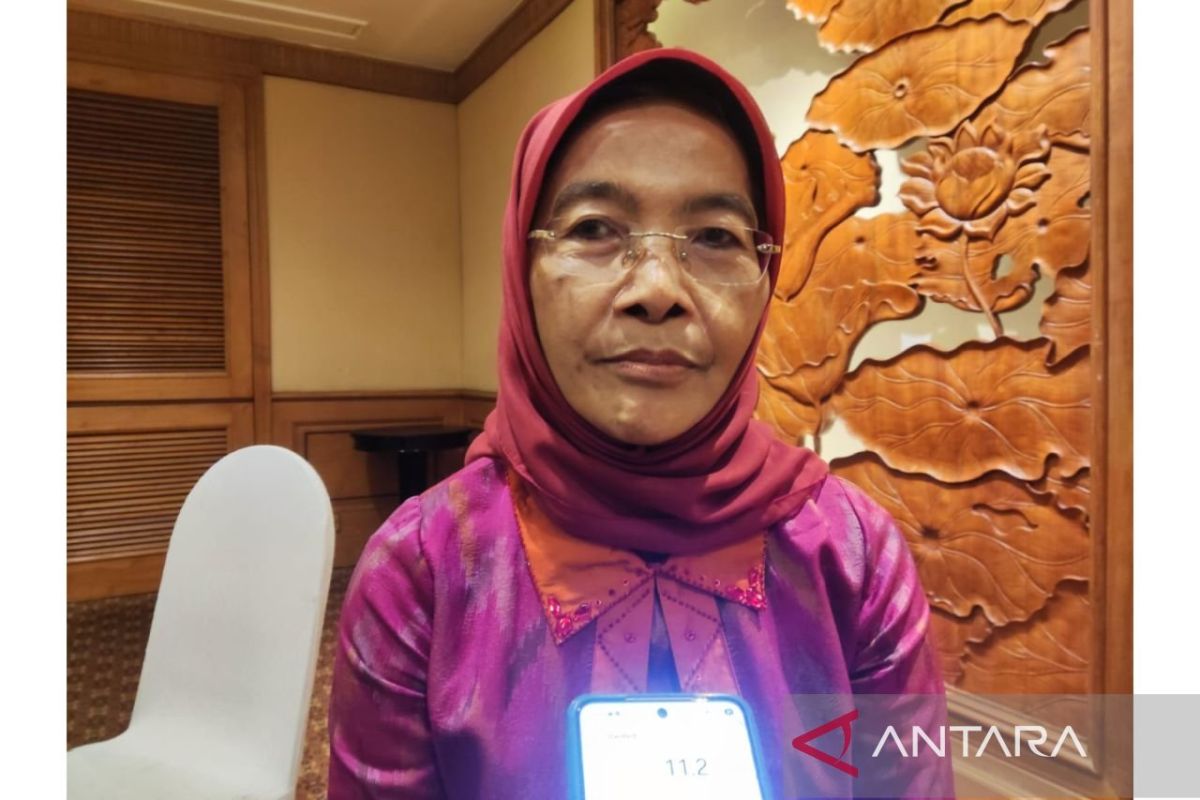
“What we are fighting for is so that every victim can decide for themselves, with complete information, safely, and without coercion from anyone,” said the Chair of Komnas Perempuan, Maria Ulfah Anshor.
This is because there are many cases of forced abortions, leading to unsafe procedures. Similarly, if a victim chooses to continue her pregnancy, she deserves full support.
Indonesian law already regulates health services, including abortion services under certain conditions, for women who are victims of rape and/or other sexual violence resulting in pregnancy.
“Based on the 1945 Constitution, the UU TPKS, the Criminal Code, the Health Law, Government Regulation Number 28 of 2024, and Ministry of Health Regulation Number 2 of 2025, these regulations affirm the state’s obligation to guarantee services, information, and reproductive choices without discrimination. In line with Article 12(1) and Article 16(1) letter e of CEDAW, the state must protect victims from coercion, stigma, and service barriers that strip them of their choices,” said Maria Ulfah Anshor.