
Komnas Perempuan Reveals Challenges for Sexual Violence Victims Accessing Abortion Rights
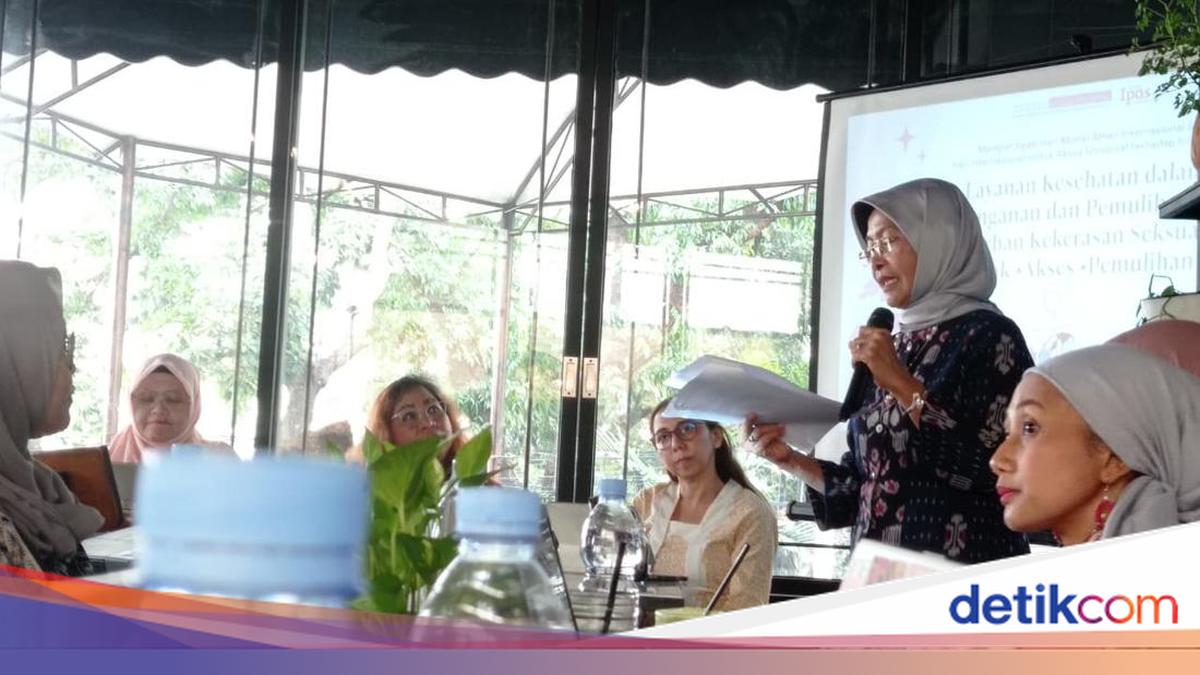
Komnas Perempuan, in collaboration with the Ipas Indonesia Foundation, has discussed the right to access restorative healthcare services for victims of sexual violence, specifically including abortion for survivors of sexual assault.
Komnas Perempuan Commissioner, Yuni Asriyanti, explained the challenges in fulfilling abortion rights for victims of sexual violence. She noted that many victims still struggle to obtain information, understand service procedures, and comprehend their rights as survivors.
“Healthcare workers and advocates require certainty regarding service flows, referrals, and legal protection when performing their duties in accordance with regulations. Because gestational age continues to increase, delays in information, documentation, or administration can cause victims to lose the opportunity to receive safe services,” Yuni stated during a discussion held in Menteng, Central Jakarta, to commemorate International Safe Abortion Day and International Day for Universal Access to Information.
Yuni explained that the Law on Sexual Violence Crimes (UU TPKS), the Criminal Code (KUHP), the Health Law, and Government Regulation (PP) number 2 handles healthcare services for victims of sexual violence. She stated that Komnas Perempuan is striving to ensure that these regulations are effectively implemented.
“We must ensure that the mandates of the TPKS Law and the constitution are truly implemented by relevant parties, particularly the Ministry of Health, the National Police, the Ministry of Women Empowerment and Child Protection (PPPA), and all related institutions, to ensure that rape victims can access abortion services if they so desire,” she added.
Komnas Perempuan highlighted challenges ranging from legal procedures to unclear service financing. The Executive Director of the Ipas Indonesia Foundation, Marcia Soumokil, emphasised the importance of a functional service system alongside existing regulations.
“We do not only need regulations that protect victims, but also a service system ready to execute them. Referring to current rules, services must be provided by healthcare professionals with specific competence and authority. Therefore, investing in strengthening the capacity of healthcare workers is a vital step to ensure victims’ rights to reproductive health services are realised,” said Marcia.
Ferry Wira Padang, National Secretary Coordinator of the Service Provision Forum, also highlighted challenges regarding healthcare and information access. He noted that many parties do not yet fully understand the rights of sexual violence victims.
“The challenge is ensuring that healthcare workers, especially those on the front lines, understand their roles and authority so that victims can immediately receive necessary services. On the other hand, victims must also be informed; clear and easily accessible information is crucial because victims have the right to complete information regarding available restorative healthcare services,” Ferry asserted.
For reference, regulations regarding abortion for victims of sexual violence are contained in Article 463 of the Criminal Code (KUHP), which states:
Article 463
Any woman who performs an abortion shall be punished with imprisonment for a maximum of 4 (four) years.
The provisions in paragraph (1) do not apply if the woman is a victim of rape or other sexual violence crimes resulting in pregnancy, provided the gestational age does not exceed 14 (fourteen) weeks or there is a medical emergency indication.
Furthermore, there is an exception for medical personnel assisting in abortions for victims of sexual violence, as regulated in the following article:
Article 465
- Doctors, midwives, paramedics, or pharmacists who perform an abortion due to medical emergency indications or for victims of rape or other sexual violence crimes resulting in pregnancy as referred to in Article 463 paragraph (2), shall not be subject to criminal penalties.
The Criminal Code also provides an explanation for these articles:
Explanation of Article 463 regarding abortion:
This provision is intended to protect a woman’s fetus. If the abortion involves a dead fetus, the criminal provisions in this Article do not apply. The method and means used to perform the abortion are not relevant here. What is decisive is the outcome, namely the death of the fetus.
Paragraph (1) is clear.
Paragraph (2) regarding ‘other sexual violence crimes resulting in pregnancy’ includes, among others, forced prostitution, sexual exploitation, and/or sexual slavery.
Source: jawawa.id (https://jawawa.id/newsitem/komnas-perempuan-reveals-challenges-for-sexual-violence-victims-accessing-abortion-rights-1790593451)
Originally published by detikcom (https://news.detik.com/berita/d-8683060/komnas-perempuan-ungkap-tantangan-korban-kekerasan-seksual-dapat-hak-aborsi), translated from Indonesian