
Komnas Perempuan Highlights 'Delayed Justice' in Preventing Torture of Victims
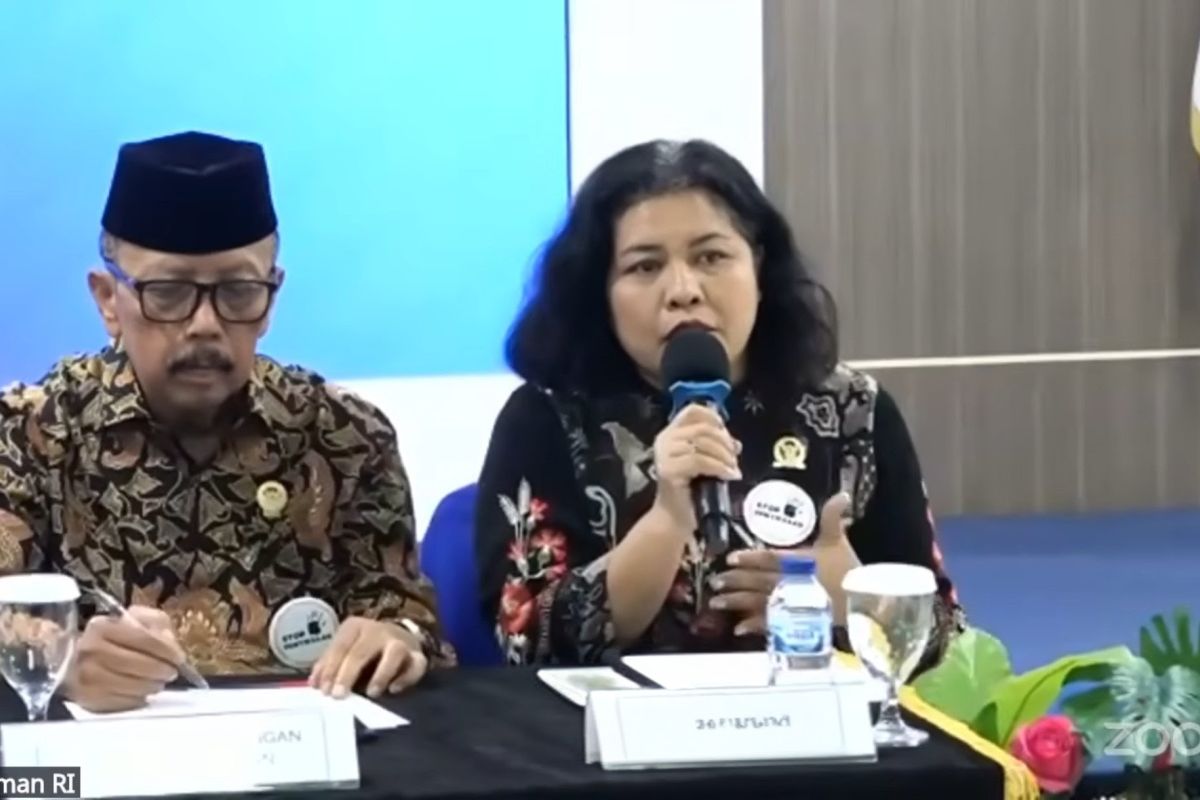
The National Commission on Violence Against Women (Komnas Perempuan) has highlighted the phenomenon of delayed justice as an aspect requiring attention in efforts to prevent torture against women. According to Komnas Perempuan, delays in access to justice have the potential to prolong the suffering of victims and lead to cruel, inhuman, or degrading treatment, necessitating the acceleration of case handling and the fulfilment of victims’ rights. Komnas Perempuan Commissioner Sondang Frishka Simanjuntak, speaking online in Jakarta on Friday, stated that the issue of violence potentially amounting to torture has become one of the institution’s strategic agendas for the 2025-2030 period. She noted that various practices of violence against women are often obscured by social norms and traditions, leading them to be considered normal. ‘Cases of torture and other cruel, inhuman, and degrading treatment against women are sometimes masked by various norms or traditions, so they are seen as a form of normalisation,’ she said during the commemoration of International Anti-Torture Day in Jakarta. She explained that Komnas Perempuan’s attention is not only focused on violence occurring in public spaces but also on the conditions of women in conflict with the law, including the fulfilment of maternity rights for women in detention. ‘For example, cases of violence against women in detention, such as the fulfilment of maternity rights when a female detainee is pregnant or has a child. This sometimes escapes attention, even though it must be ensured that no torture occurs there,’ she said. Furthermore, Sondang assessed that delays in handling reports of domestic violence or sexual violence can prolong the victim’s suffering because access to the legal process is slow. ‘When a woman becomes a victim of domestic violence or sexual violence, they sometimes have very difficult and delayed access. This phenomenon is what we call delayed justice and it holds great potential for the occurrence of torture or inhuman treatment,’ she stated. According to Sondang, accelerating access to justice, accompanied by the fulfilment of victims’ rights during the legal process, is an important part of preventing torture against women. Therefore, Komnas Perempuan stated it will continue to advocate for the strengthening of victim protection and push for various forms of violence that have the potential to become torture to receive attention in both policy and law enforcement practices.