
Komnas Perempuan: Gender-based violence frequently occurs in forced abortion cases
There is psychological pressure and an escalation of psychic violence occurring multiple times, which is subsequently directed to ensure the woman undergoes an abortion.
The National Commission on Violence Against Women (Komnas Perempuan) has revealed that gender-based violence frequently occurs in cases of forced abortion.
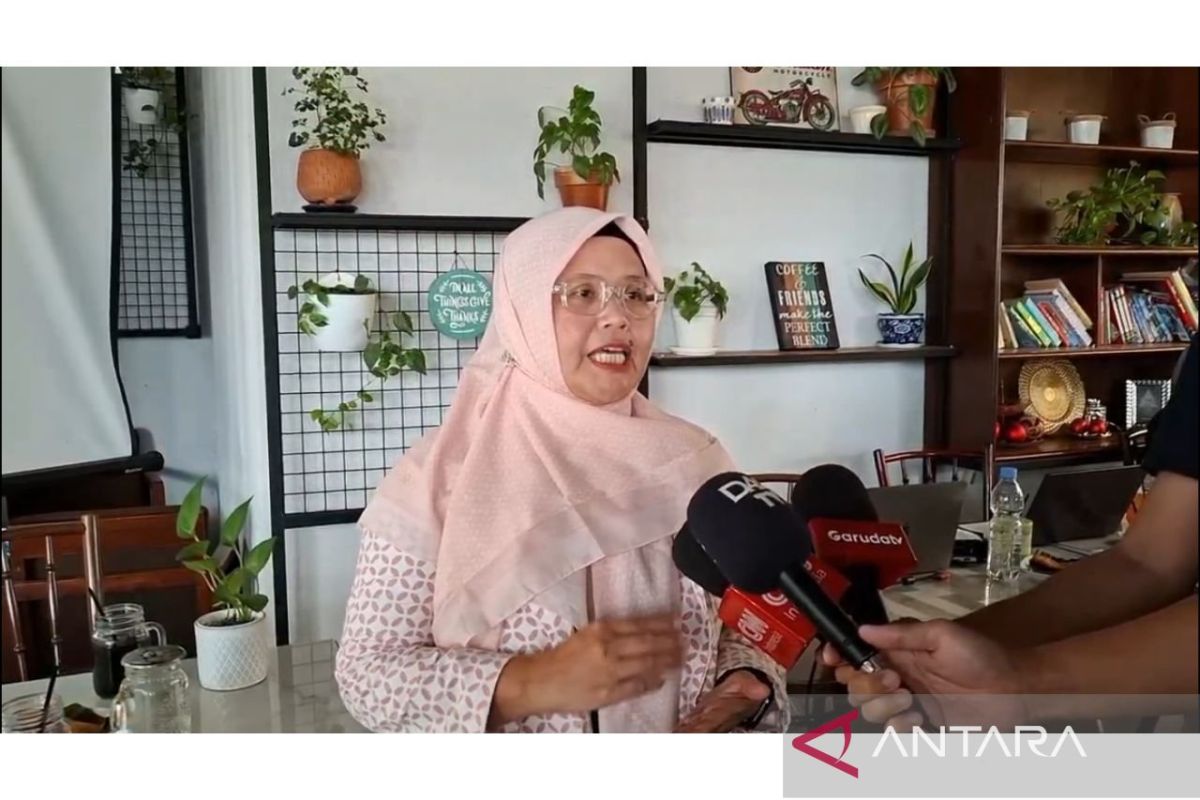
“The perpetrators may directly purchase materials, whether medical drugs or herbal remedies, and then perform physical violence against the victim, aimed at causing a miscarriage,” said Komnas Perempuan member Yuni Asriyanti in Jakarta on Monday.
Furthermore, there is psychological violence inflicted upon the victim with the objective of forcing them to consent to an abortion. “There is psychological pressure and an escalation of psychic violence over several instances, which is eventually directed so that the woman performs the abortion,” added Yuni Asriyanti.
Komnas Perempuan recorded at least 225 cases of forced abortion throughout the period of 2021–2025. “Komnas Perempuan has documented 225 direct complaints regarding the forced termination of pregnancy within the context of gender-based violence during the 2021–2025 period,” stated the Chairperson of Komnas Perempuan, Maria Ulfah Anshor.
Indonesian law has actually regulated health services, including abortion services under specific conditions, for women who are victims of rape and/or other sexual violence resulting in pregnancy.
“Based on the 1945 Constitution, the TPKS Law (Sexual Violence Crimes Law), the Criminal Code, the Health Law, Government Regulation Number 28 of 2024, and Ministry of Health Regulation Number 2 of 2025, these regulations affirm the state’s obligation to guarantee services, information, and reproductive choices without discrimination. In line with Article 12(1) and Article 16(1) letter e of CEDAW, the state must protect victims from coercion, stigma, and service barriers that strip them of their choices,” said Maria Ulfah Anshor.
Meanwhile, if a victim chooses to continue the pregnancy, she must receive support and recovery services. “Victims who require services in accordance with legal provisions also have the right to obtain information, assistance, and safe services. Primarily, decisions regarding one’s body and pregnancy must remain with the victim, without coercion from perpetrators or pressure from anyone,” concluded Maria Ulfah Anshor.