
Komnas HAM urges stronger oversight of SPPG in Free Nutritious Meal programme
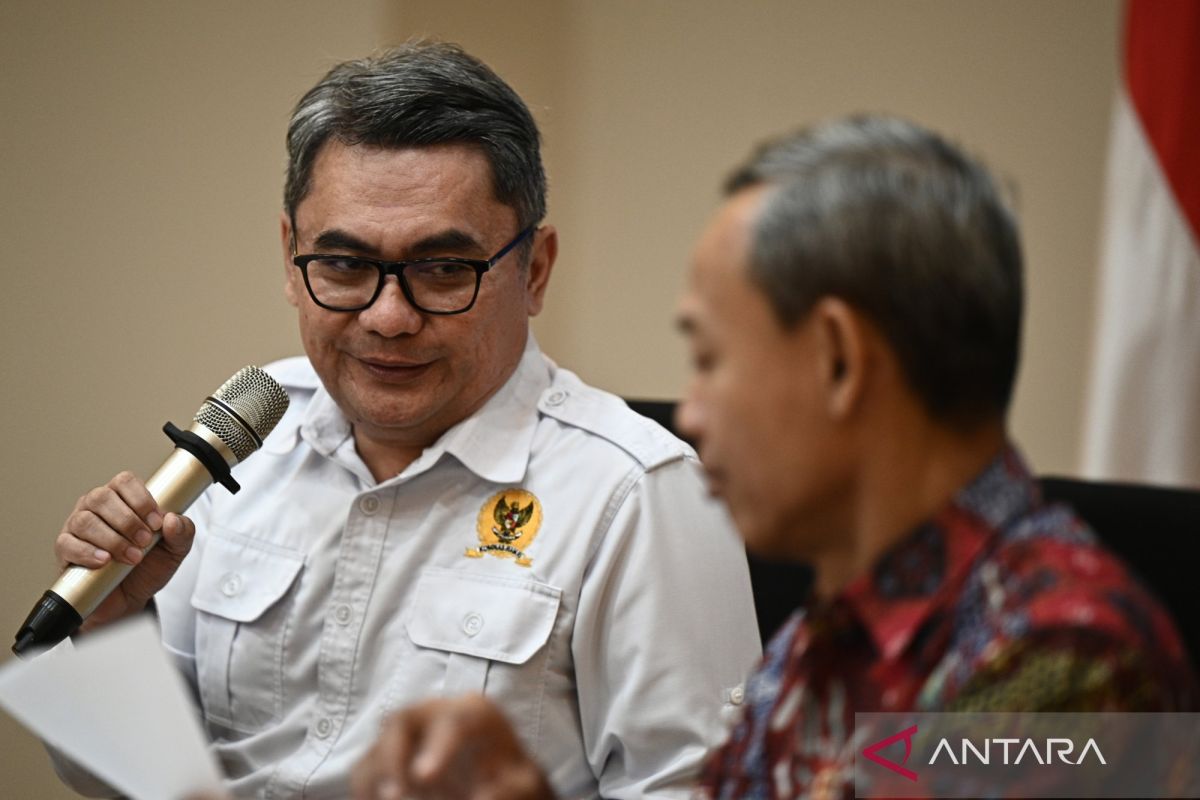
The National Commission on Human Rights (Komnas HAM) is pushing for stronger oversight of the Nutritional Service Fulfilment Units (SPPG) within the Free Nutritious Meal (MBG) programme, including through regulatory evaluation and improved food safety standards. Commissioner for Assessment and Research Uli Parulian Sihombing said in Jakarta on Monday that findings from studies and monitoring in several regions indicate the need to refine programme implementation so that MBG benefits are more optimal, especially for vulnerable groups and areas where stunting prevalence remains high. According to Uli, Komnas HAM considers the beneficiary coverage in Presidential Regulation Number 115 of 2025 to be too broad, as it includes students from early childhood education (PAUD) to senior high school, teaching staff, as well as pregnant women, breastfeeding mothers, and toddlers. “In our view, that is too broad because the intervention to address stunting programmes is actually aimed at the 3Bs: pregnant women, breastfeeding mothers, toddlers, and early-age learners or PAUD,” Uli said. Komnas HAM recommends that the programme be more focused on vulnerable groups, poor communities in deciles 1 to 4, and underdeveloped, frontier, and outermost (3T) regions that have a higher risk of stunting. “The National Nutrition Agency (BGN) under Presidential Regulation 115 has a broad role. It is a regulator, then also an implementer, including designating SPPG locations and procuring goods and services. That is what we are asking to be revised,” he stated. Komnas HAM is urging a strengthening of the role of external supervisors, such as the Food and Drug Monitoring Agency (BPOM) for processed food oversight, the National Food Agency for fresh food, the Ministry of Environment for waste management, and the Ministry of Manpower for occupational safety aspects of SPPG workers. The institution also recommends that every SPPG possess a Sanitation Hygiene Eligibility Certificate (SLHS), a Wastewater Treatment Plant (IPAL), and food safety certifications from the start of operations. “Komnas HAM requests that from the outset they have IPAL, SLHS, and other certifications related to food safety,” Uli said. In addition, Komnas HAM recommends accelerating the construction of SPPGs in 3T regions and areas with high stunting risk, including the Indonesia-Malaysia border area in Sanggau Regency, West Kalimantan. “We recommend that SPPGs be established in 3T regions, deciles 1 to 4, and areas classified as stunting risk zones, of course with good governance,” Uli concluded.