
Komnas HAM Urges Ministries to Strengthen Human Rights Policy Implementation
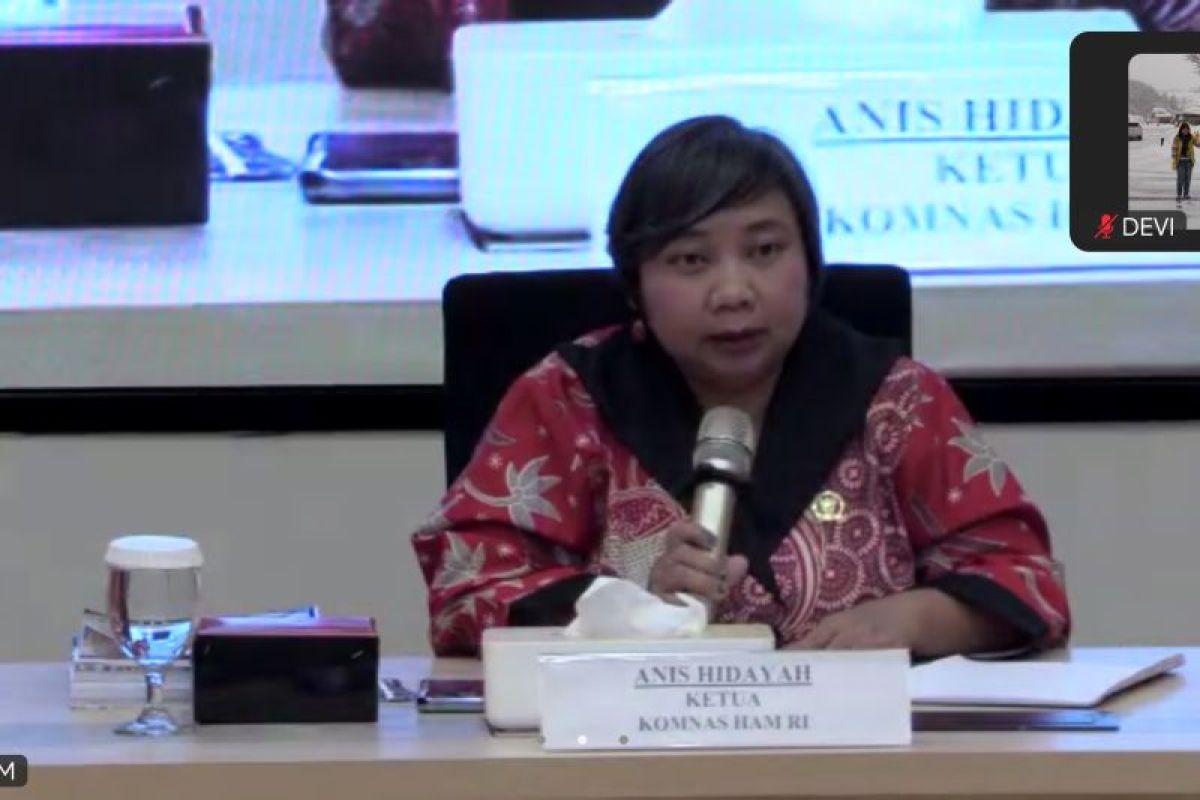
The National Commission on Human Rights (Komnas HAM) is urging ministries and agencies to strengthen the implementation of human rights-based policies through enhanced coordination, supervision, and public service access. The call follows the launch of the 2025 Human Rights Assessment results, which evaluated the compliance levels of seven state ministries and agencies in respecting, protecting, and fulfilling human rights.
Komnas HAM Chairperson Anis Hidayah stated during an online press conference on Monday that the assessment is part of the second year of the National Priority Programme. The evaluation measured the alignment of policies, governance, and programmes with human rights standards across four themes: the right to health, education, employment, and a healthy environment.
The seven entities assessed were the Ministry of Environment, the Ministry of Transportation, the Food and Drug Supervisory Agency (BPOM), BPJS Kesehatan, BPJS Ketenagakerjaan, the Ministry of Religious Affairs, and the Ministry of Population and Family Development/BKKBN. The BKKBN achieved the highest score of 74.3, placing it in the ‘high’ category for the right to health theme. BPOM scored 70.3, the Ministry of Religious Affairs 69.7, the Ministry of Environment 68.9, BPJS Kesehatan 67.1, and BPJS Ketenagakerjaan 65.5, all falling into the ‘adequate’ category. The Ministry of Transportation received a score of 50.9, categorised as ‘low’, specifically regarding the protection of ship crew members under the right to employment theme.
Hidayah noted that while ministries generally possess supportive regulations and programmes, a gap persists between policy and implementation. Komnas HAM found that equitable access to services, protection for vulnerable groups, inter-agency coordination, and the use of data and complaint mechanisms still require significant strengthening to ensure human rights fulfilment is felt evenly by the public. The commission recommends reinforcing policy execution through cross-sector coordination, effective supervision, and accurate data-based evaluation. It also urges that public services reach all levels of society without discrimination, including indigenous communities, persons with disabilities, ship crew, informal sector workers, and those in frontier, outermost, and disadvantaged regions.