
Komnas HAM Processes Complaints from Junior Doctors Over Withheld Professional Certificates
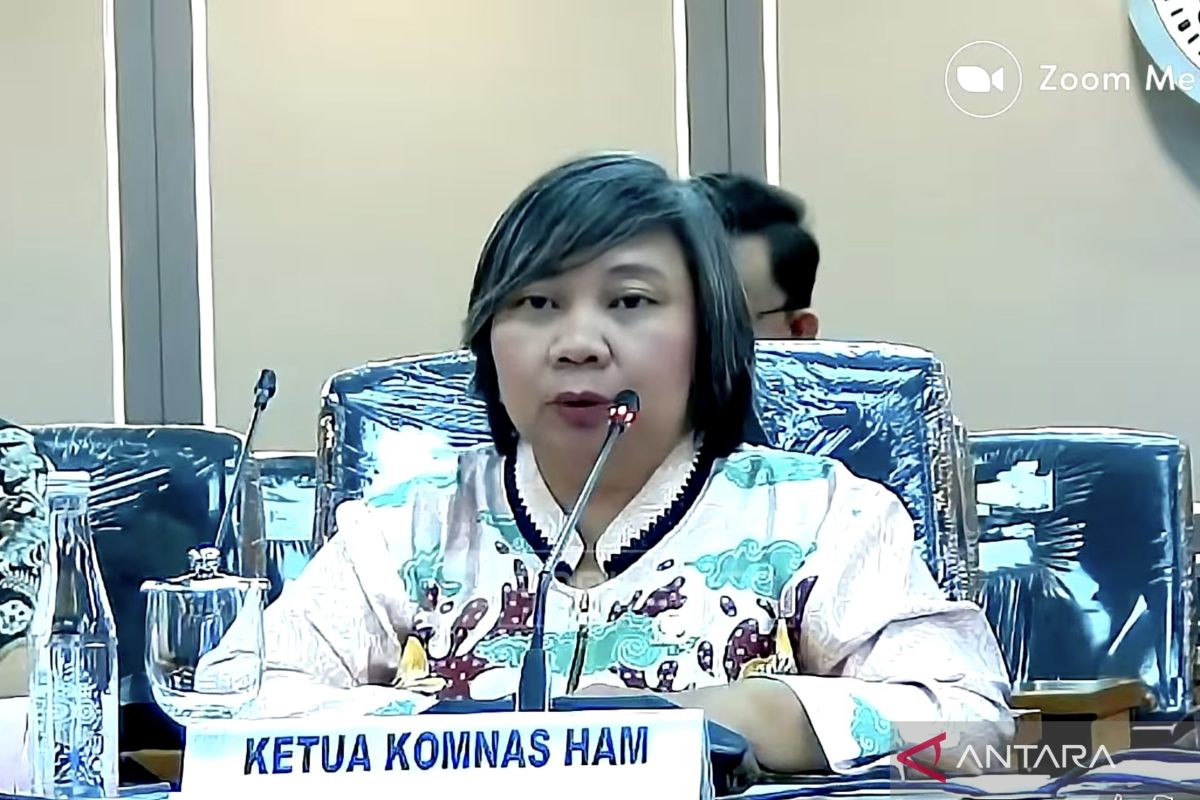
Jakarta - The National Commission on Human Rights (Komnas HAM) is currently processing a complaint of alleged human rights violations filed by the Pergerakan Dokter Muda Indonesia (Indonesian Junior Doctors Movement) concerning the withholding of professional certificates. Komnas HAM Chairperson Anis Hidayah stated during a meeting with House of Representatives Commission XIII in Jakarta on Thursday that the complaint was received on 8 June 2026. The commission is now analysing the complaint for further processing. “Komnas HAM has conducted an analysis in the form of a reconstruction of events. We are also requesting various documents from the Junior Doctors Movement, which are crucial for Komnas HAM to complete and deepen the investigation into the reported case,” Anis explained. She noted that from the various complaints received by Komnas HAM, there are 1,023 prospective doctors from 38 universities facing an uncertain fate. According to her, this issue deserves collective attention, especially as Indonesia is currently experiencing a shortage of doctors. “Indonesia, with a population of 270 million, requires 278,000 doctors, based on a prevalence of at least one doctor per thousand residents. However, our current position is only 179,000 available. This means Indonesia is short of 105,000 doctors,” she said. Based on the complaints received, the problem stems from Minister of Research, Technology, and Higher Education Regulation Number 18 of 2018 concerning National Standards for Medical Education. The regulation stipulates that professional programmes for doctors and dentists must be completed within a minimum of two years and a maximum of five years. On the other hand, students must pass a competency examination to obtain their professional certificate. Anis stated that this ministerial regulation has become one of the obstacles for prospective doctors in obtaining their professional titles. They are asked to transfer universities, resign, and are even threatened with expulsion for exceeding the study period limit. “What these prospective doctors hope for is clarity, legal certainty, and a fair resolution, because they have actually completed their professional education or clinical clerkships, but are hindered by the study period policy which results in them being dropped out, and some having to transfer or resign,” she said. She added that this situation could lead to various impacts. Besides potential financial and psychological losses, the prospective doctors also face a disruption in their career paths as opportunities to pursue further education programmes are disturbed. Furthermore, the wider public could also be affected as the distribution of doctors becomes hampered. “The cases occurring with these doctors can obstruct the distribution of medical personnel who are desperately needed in various regions. In reality, we are still short of 105,000 doctors today, so why is the policy actually preventing doctors from being able to work?” Anis questioned. For further information gathering, Komnas HAM has scheduled requests for statements from various relevant parties, including the Minister of Higher Education, Science, and Technology, the Minister of Health, and the Indonesian Doctors Association. “Hopefully we can expedite this, as the case has been ongoing for quite some time, especially with the large number of victims and its potential impact on the fulfilment of the right to health for the public,” she concluded.