
Komnas HAM highlights shortage of nickel supervisors in Morowali
Jakarta (ANTARA) - The National Human Rights Commission (Komnas HAM) has highlighted the limited number and frequency of supervision in the nickel industrial area, particularly in Morowali and North Morowali, Central Sulawesi, which is deemed risky for worker and environmental protection.
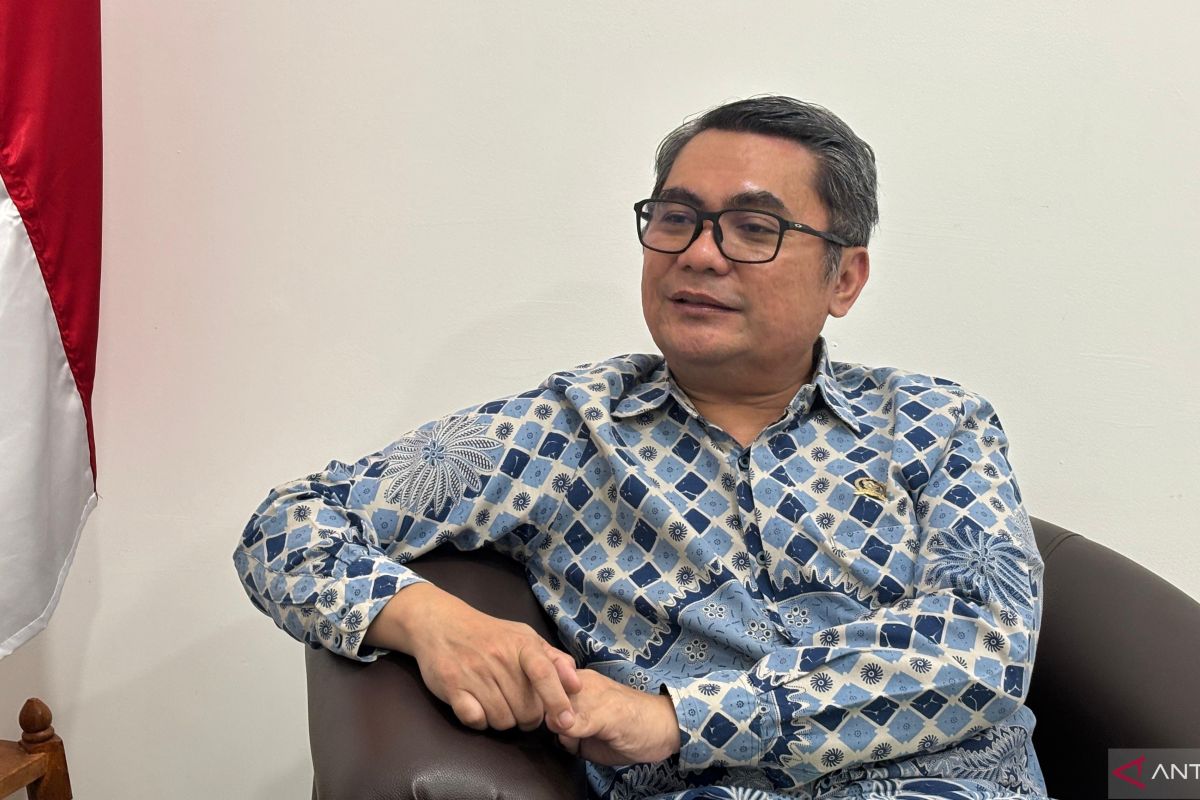
Komnas HAM’s Commissioner for Assessment and Research, Uli Parulian Sihombing, stated that the limited resources of supervisors is one of the main issues in controlling the rapidly expanding nickel industry activities.
“For the National Strategic Project (PSN) in the nickel sector, particularly in Morowali and North Morowali, we recommend an evaluation of the PSN, especially regarding supervision. Existing supervision requires coordination between central and local governments, as there are issues with the quality of supervision and limited supervisory resources,” Uli told ANTARA after the Launch and Public Discussion of the Komnas HAM Study “Study on the Impact of the Nickel Industry on Human Rights” in Jakarta on Thursday.
He emphasised that supervision must not be reactive but should be conducted routinely and on a scheduled basis.
“Then the frequency of supervision must be increased. It could be once a week or two to three times a month. Not just based on cases, so when there is a new case, there is supervision or not. It must be periodic,” he said.
According to Uli, the limited number of field supervisors is not commensurate with the vastness and complexity of the nickel industrial area.
“The number of supervisors in the province is limited, around 30. Then going down to Morowali, Morowali now has only about two people. North Morowali has about five people, while the industrial area is very extensive,” he said.
In addition to the number, the supervision methods are also deemed in need of improvement to be more effective in detecting potential violations in the field.
“Supervision methods must also be more implementative. They must go to the field, not just based on reports or administrative documents,” he stated.
Komnas HAM also stated that the cross-ministerial licensing scheme makes supervision unintegrated, thus weakening control over these high-risk industries.
Therefore, Komnas HAM encourages strengthening routine inspections, increasing the capacity of supervisors, and coordination between central and local levels so that nickel industry supervision can run more effectively and protect workers’ rights and the environment.