
Komnas HAM Criticises Proposal for Human Rights Activists Advisory Team: Vulnerable to Conflicts of Interest
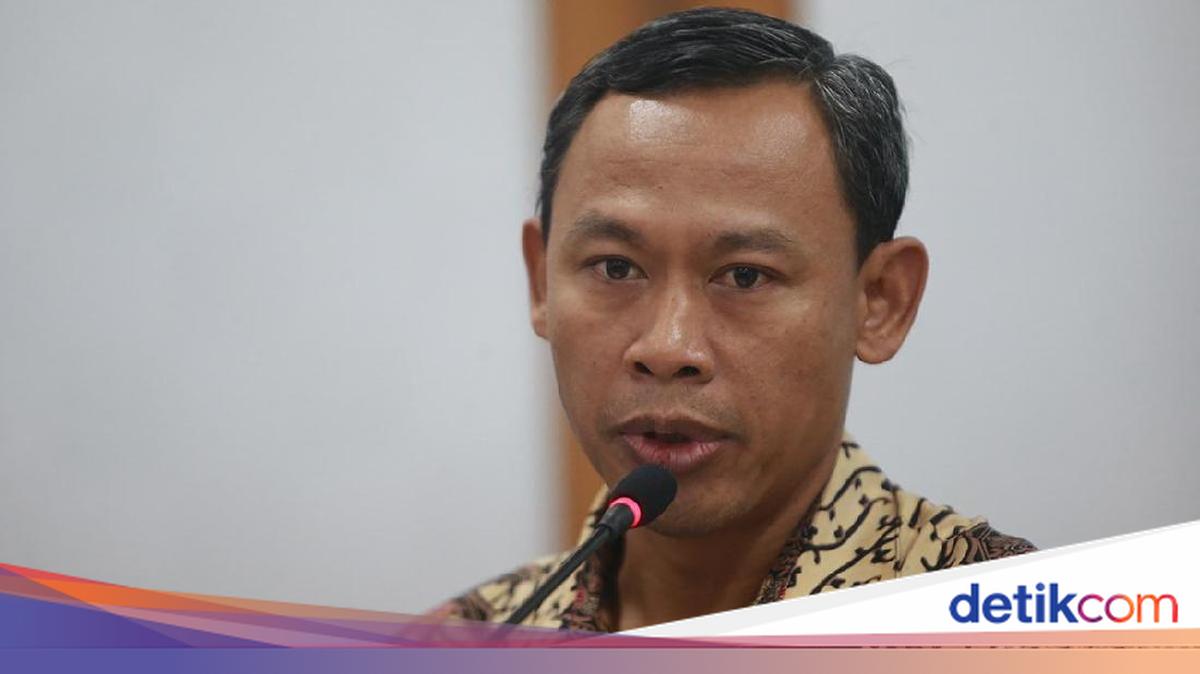
The National Human Rights Commission (Komnas HAM) considers the plan vulnerable to conflicts of interest. “In response to the statement by the Minister of Human Rights, Natalius Pigai, regarding the Ministry of Human Rights’ plan to form an advisory team to assess and designate someone as a human rights defender, Komnas HAM believes that the plan is vulnerable to conflicts of interest,” said Komnas HAM commissioner Pramono Ubaid Tanthowi in a press release received on Saturday (2/5/2026).
Pramono explained the reasons for his assessment that the proposal is prone to conflicts of interest, based on complaints received by Komnas HAM over time.
“Because based on the complaints received by Komnas HAM so far, threats against human rights defenders, or commonly known as activists, often involve rogue officials or state institutions, in addition to corporate parties,” he added.
He also highlighted the position of the Ministry of Human Rights. He questioned whether the Ministry of Human Rights could remain objective if a human rights defender is threatened.
“Meanwhile, the Ministry of Human Rights is part of the executive government. The question arises whether the Ministry of Human Rights can confront the state/government objectively when threats against human rights defenders involve rogue officials or government institutions?” he said.
“Komnas HAM holds the view that being an activist or adopting a critical stance towards the conduct of state power is a fundamental freedom and the right to participation for every citizen. The state is obliged to respect and protect it,” he added.
According to him, in respecting this fundamental freedom, the state has a passive obligation (non-interference), namely not to interfere excessively, either in regulating, selecting, or limiting the enjoyment of that right by citizens. In this context, certification of activists by the government has the potential to violate the basic principle of respect for human rights.
“So far, the process of designating someone as a human rights defender has been carried out by Komnas HAM, as an independent institution, as an effort to provide protection for human rights defenders facing threats, both physical and legal threats. Not as a form of certification,” he explained.
Furthermore, he stated that Komnas HAM has regulated this mechanism in Komnas HAM Regulation No. 5/2015 on Procedures for the Protection of Human Rights Defenders. The designation letter can be used to provide a basis for protection from various parties, including the police, courts, and access to protection from the Witness and Victim Protection Agency (LPSK).
“Komnas HAM believes that the Ministry of Human Rights can support the existence of human rights defenders through strengthening regulations, including in the planned revision of the Human Rights Law, by incorporating recognition and guarantees of protection for human rights defenders,” he emphasised.
Previously, Minister of Human Rights Natalius Pigai explained the government’s plan to form an advisory team for human rights defenders or activists. This Human Rights Advisory Team will operate under several national commissions (komnas) after the new Human Rights Law is enacted.
“So, basically, activists, human rights defenders, human rights workers, some are paid, some are not. Paid meaning paid by partners, or companies, or certain individuals, or purely voluntary work without pay. That’s clear first, so there’s no misunderstanding in determining whether they are working as human rights defenders or not, so there needs to be a team that selects based on determined criteria,” said Pigai to reporters on Thursday (30/4/2026).
This advisory team will be under Komnas HAM up to Komnas Perempuan, depending on the human rights case being defended by an activist. Pigai said the Human Rights Advisory Team will select human rights activists under those komnas.