
Komnas HAM: BRAN Offers Hope for Resolving Agrarian Conflicts
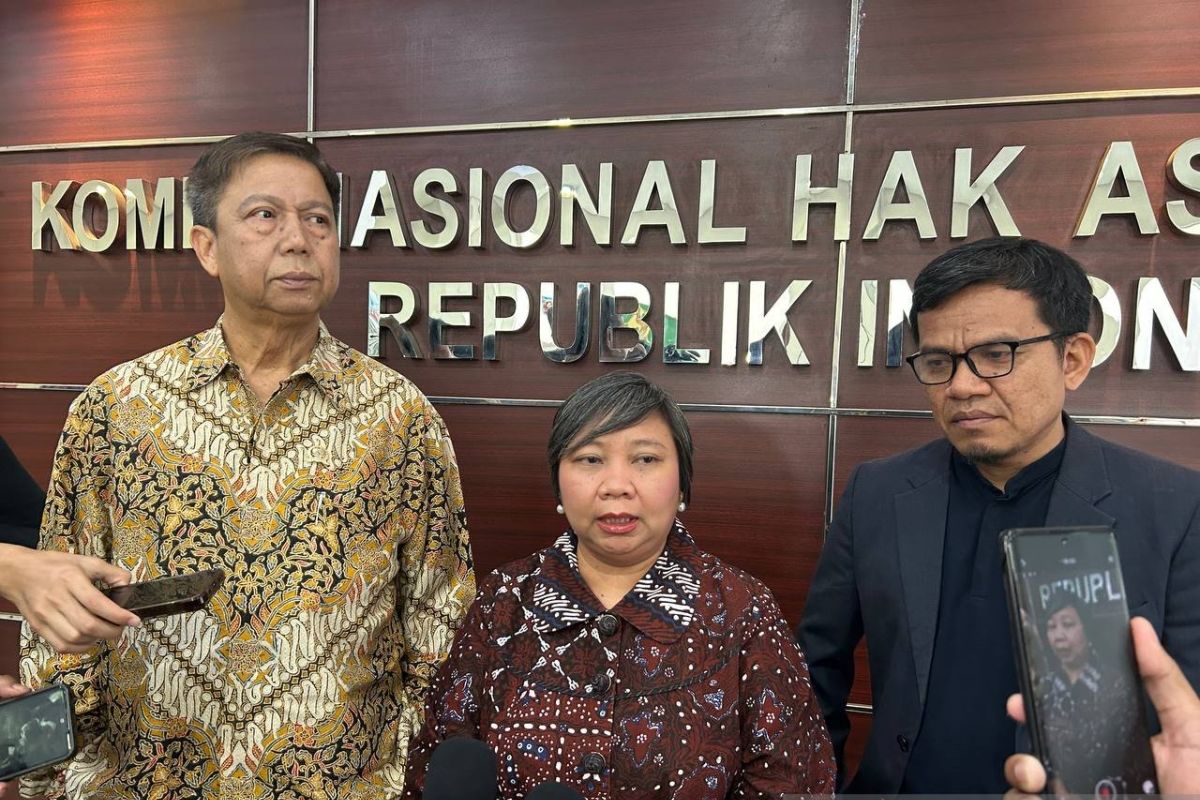
Jakarta (ANTARA) – The National Commission on Human Rights (Komnas HAM) believes the establishment of the Agrarian Reform Agency (BRAN) offers hope for handling and preventing agrarian conflicts in a fair, law-based manner that prioritises human rights protection.
Komnas HAM Chair Anis Hidayah said in Jakarta on Friday that BRAN was a highly important and strategic institution that the public had awaited for a long time, given that agrarian conflicts have persisted for years and have been difficult and challenging to resolve.
As part of efforts to work together on handling and preventing human rights-based agrarian conflicts, Komnas HAM handed over an official document: its Roadmap for Handling Agrarian Conflicts Based on Human Rights, which the commission had drawn up over approximately two years.
She said the roadmap sets out a comprehensive strategy covering institutional reform, improved governance, legal reform and preventive measures to stop land disputes from recurring.
“We also emphasise what kind of human rights approach BRAN should use in handling land cases,” Anis said.
Komnas HAM is exploring institutional cooperation with BRAN. The commitment was discussed at a meeting with BRAN Head Police General Professor Dedi Prasetyo at the Komnas HAM office earlier that day.
Anis said the commission’s Monitoring and Investigation Commissioner would follow up on technical cooperation with BRAN, particularly to map priority agrarian cases that the two institutions could work together to resolve quickly.
She said this was crucial because many people were confused and struggled to access justice as a result of protracted land conflicts with no legal certainty.
“People have been waiting. Many agrarian cases have dragged on for years; some have remained unresolved for five years or more. People are confused because it is difficult to access justice through the many institutions. So expectations for BRAN are very high,” she said.
Meanwhile, Komnas HAM Deputy Chair for Internal Affairs Prabianto Mukti Wibowo highlighted that BRAN’s leadership comes from the police. He said this could be an added strength, enabling more responsive action and decision-making, as well as better coordination on the ground.
“With the Agrarian Reform Agency in place, we hope agrarian conflicts can be resolved more quickly and fairly. It is not enough to settle them solely through the law; the process must also deliver a sense of justice for victims,” Prabianto said.
He added that the police background of BRAN’s leadership was expected to make institutional cooperation more effective.
“Given their police background, they may be able to act and make decisions more quickly and in a more coordinated way,” he said.
Prabianto reiterated that this background could help BRAN’s head take decisions and act more quickly.
“Given their police background, they may be able to act and make decisions more quickly and in a more coordinated way. Once again, we hope they can deliver a greater sense of justice for members of the public,” he stressed.