
Komdigi Targets National Internet Speed of 100 Mbps Within Two Years
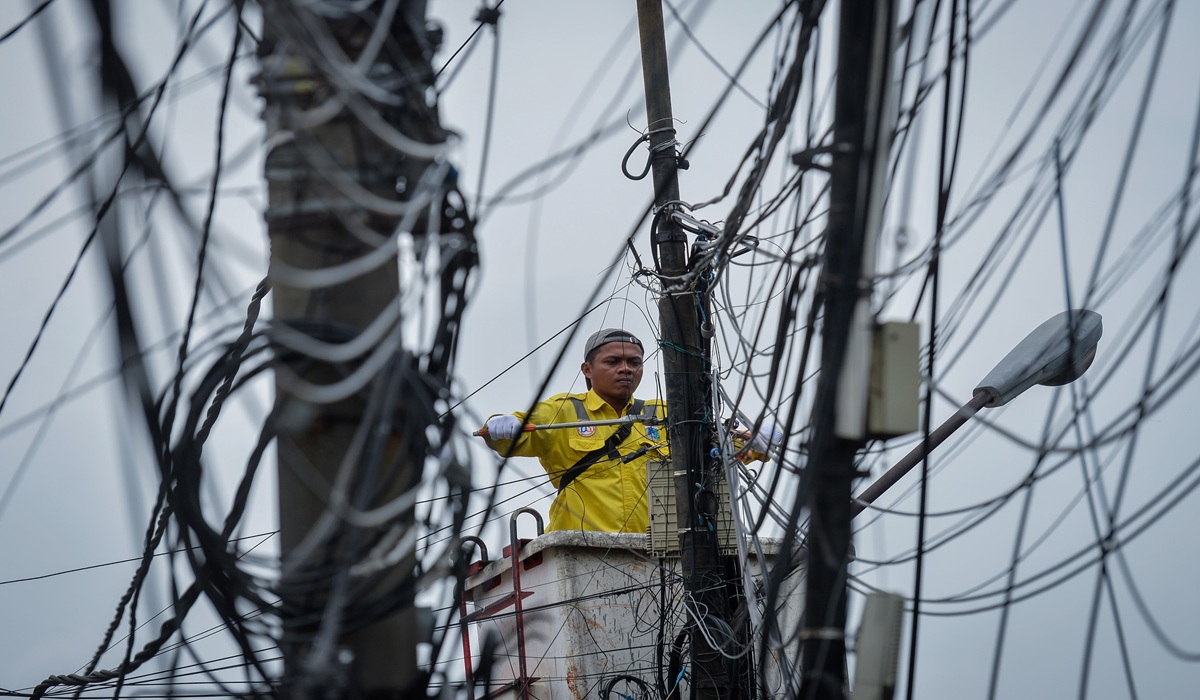
The Ministry of Communication and Digital Affairs (Komdigi) is targeting an average national internet speed of 100 Mbps within the next two years. “We are committed to reaching 100 Mbps in approximately two years’ time, evenly distributed and at increasingly affordable prices,” said Deputy Minister of Communication and Digital Affairs Nezar Patria in a statement on Sunday (5/7). To achieve this target, Komdigi is pushing telecommunications operators to increase network investment, including expanding fibre optic construction. The ministry is also strengthening fixed broadband services and utilising satellite technology to reach areas that are not yet optimally served. “We have also been encouraging mobile operators and telecommunications companies to increase their capital expenditure so they can reach outlying areas. The aim is for the public to obtain increasingly affordable internet access with better service quality,” he explained. Nezar stressed that equitable internet access remains a major task for the government. Although digital infrastructure development is ongoing, he said, reports of areas without signal are still being found, including in several regions on the island of Java. “We must close the infrastructure and connectivity gaps that still exist, including addressing areas still experiencing blank spots,” he asserted. He explained that the government is now developing a more integrated approach to building national internet connectivity. In addition to maintaining infrastructure development in underdeveloped regions through government programmes, network strengthening is also carried out through a combination of fibre optics, fixed broadband services, and satellite connectivity so that the public receives increasingly reliable internet service. According to Nezar, the public’s need for connectivity continues to grow. Indeed, experience during disasters shows that the restoration of telecommunications networks is one of the most urgent needs after logistical aid. “When a disaster occurs, besides requests for food aid, the public also asks for signal restoration. This shows that connectivity has become an inherent need in daily life,” he said.