
Komdigi Promotes Techfluencer Ecosystem to Accelerate Digital Adoption
Digital transformation in Indonesia is showing significant acceleration. Throughout 2025, the national digital economy is projected to maintain double-digit growth, driven by increased technology adoption and internet penetration that has exceeded 75 per cent of the population, alongside a strengthening role of the creator economy in influencing digital consumption behaviour.
By the beginning of 202lar, Indonesia had 143 million active social media users. The market value of influencer marketing in Indonesia is projected to reach USD 257 million in 2025, with an average annual growth rate of 9.8 per cent.
However, behind this growth, challenges remain, including low awareness of local digital products, limited distribution, and minimal monetisation support for technology creators. This situation indicates that increasing digital literacy alone is insufficient; it must be driven by a new ecosystem capable of bridging digital talent, creators, and technology products to grow in an integrated manner that directly impacts the acceleration of technology adoption and digital economic growth.
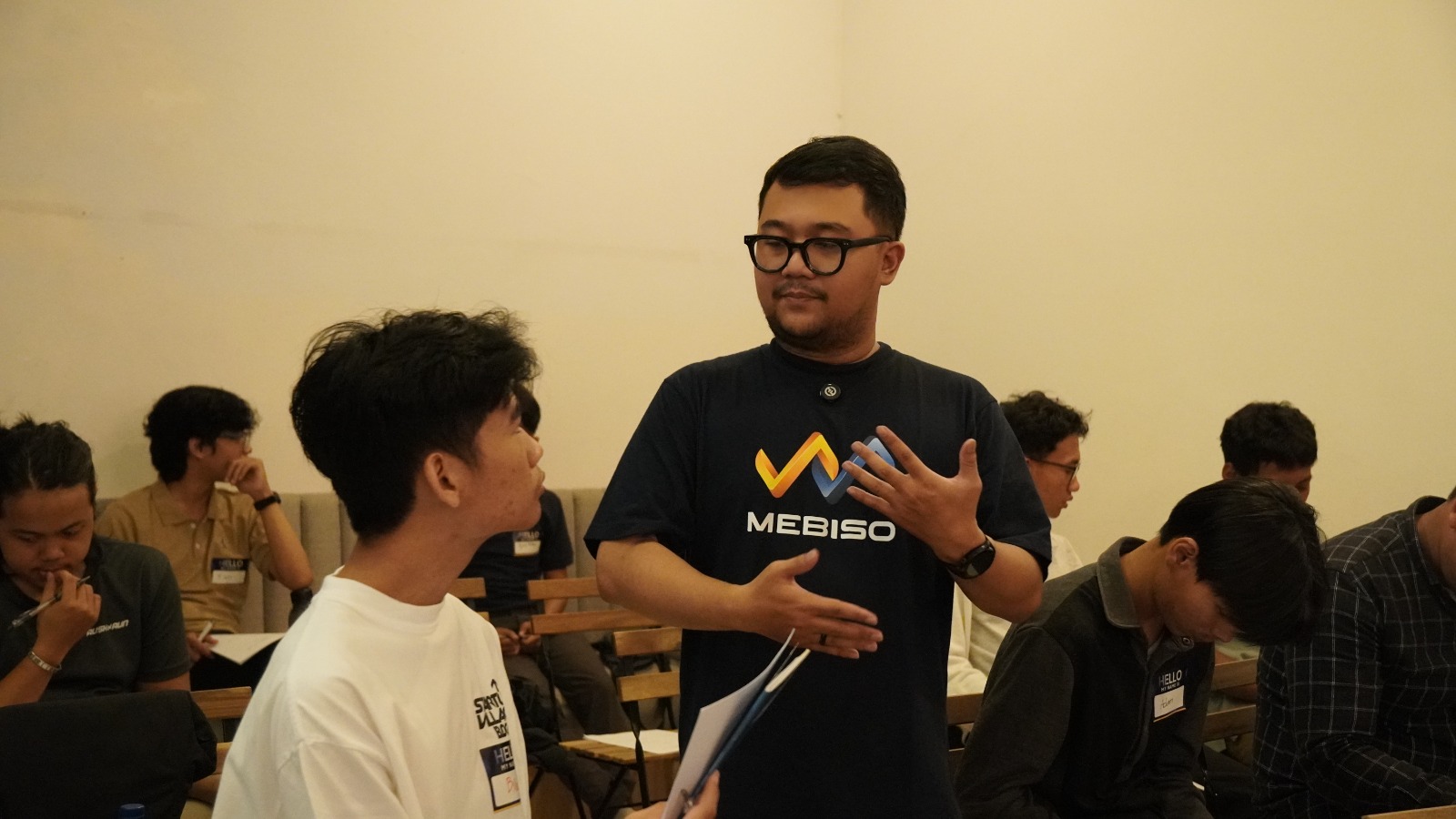
To address these challenges, the Ministry of Communication and Digital (Komdigi), through the Garuda Spark Innovation Hub, is conducting an initiative titled the Tech Influencer Ecosystem. This programme, in collaboration with Ngalup.co, introduces a new approach through the ‘Techfluencer’ concept—a shift from purely entertainment-based influence towards influence focused on technology education and the adoption of digital products.
“This programme also delivers a real impact on the growth of the digital economy. Unlike lifestyle influencers who are oriented towards awareness and engagement, Techfluencers encourage the creation of understanding, usage, and transactions of digital products by the audience,” said Irfan Rahmad Widiutomo, CEO of Ngalup.co.
The programme, also supported by Jagoan Hosting, is designed to build an integrated ecosystem between creators, digital talent, and local technology products.
“Through this approach, creators do not just act as content creators, but also serve as a distribution engine for digital innovation. By producing educational technology content, they are able to bridge the gap between products and users, while simultaneously accelerating technology adoption within society,” he added.
In its implementation, the programme targets increasing the capacity of up to 200 tech creators, with 70 per cent of them consistently producing technology education content and 60 per cent being able to present digital products in an easily understandable format.
“The impact is not only on increasing digital literacy but also on the activation of digital product usage, where hundreds of new users are expected to begin trying introduced local technology solutions,” he explained.
Furthermore, Techfluencers also open new economic opportunities through monetisation models such as SaaS affiliation, revenue sharing, and collaborations with technology products.
“In a scenario where even a small fraction of the audience adopts digital products, the resulting effect can include increased transactions, startup revenue growth, and the acceleration of national technology adoption,” he noted.
Through this approach, Techfluencers do not only build creators but also create a multiplier effect for the digital ecosystem, transforming creators into educators and innovation into utilised solutions. This is a concrete step to encourage digital literacy that directly impacts Indonesia’s digital economic growth.
“From Viral to Valuable, moving from mere content to real impact,” he concluded.
Meanwhile, the Director of Digital Ecosystem Development, Sonny Hendra Sudaryana, outlined that strengthening the digital ecosystem cannot be done partially, but requires cross-sector collaboration capable of connecting talent, creators, and industry players.
“Through this programme, we are encouraging the emergence of talents who possess not only technological competence but are also capable of driving digital adoption in society. Initiatives such as the Tech Influencer Ecosystem are strategic steps in expanding literacy while accelerating the use of national digital products in a more inclusive and sustainable manner,” he concluded.