
Kolonodale Prison's 'Vegetable Cart' Programme Equips Inmates with Entrepreneurial Skills
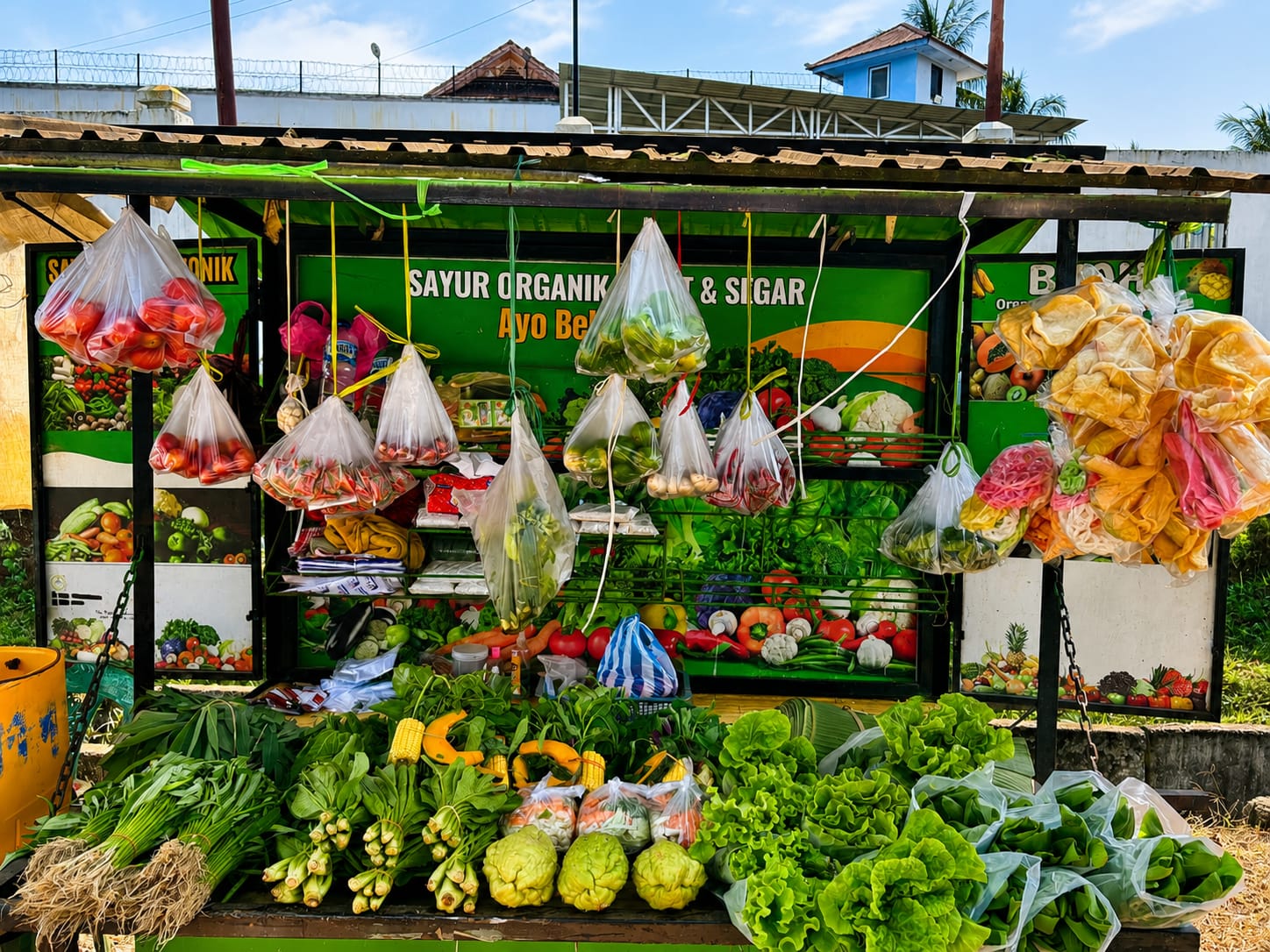
The Kolonodale Class III Correctional Facility (Lapas) has launched an innovative independence-building programme called ‘Gerobak Sayur’ (Vegetable Cart), which has garnered appreciation from the Central Sulawesi Regional Office of the Directorate General of Corrections (Kanwil Ditjenpas). The programme is designed not only to equip inmates with farming skills but also to provide them with a comprehensive understanding of entrepreneurship by involving them in the entire business chain, from cultivation to marketing. During harvest periods, inmates sell their organically grown produce, including kale, spinach, mustard greens, aubergines, chillies, and long beans, directly to the local community from a dedicated stall. These organic commodities, harvested from the prison’s own agricultural land, are sold at very affordable prices.
Head of the Central Sulawesi Kanwil Ditjenpas, Herman Mulawarman, stated that inmate development must be oriented towards tangible results and real benefits. He emphasised that the programme ensures inmates are not only trained in production but also in marketing, preparing them for economic independence after their release. Herman noted that this innovation aligns with the policy direction of the Directorate General of Corrections and the 15 Action Programmes of the Ministry of Immigration and Corrections, particularly in strengthening independence and supporting the National Food Security programme. He encouraged all Technical Implementation Units (UPT) in the region to develop similarly productive and adaptive programmes.
Head of Kolonodale Prison, Bambang Hari Widodo, explained that the programme was designed to provide a thorough, end-to-end entrepreneurial education. He stated that inmates learn to cultivate the land to produce quality goods and are simultaneously taught how to market them. The initiative has also drawn enthusiasm from the local community, with residents like Siti, a regular customer, praising the freshness of the vegetables and their low prices. The regional office has committed to continuing such adaptive and empowering development patterns that have a direct impact on the wider community.