
Koi Herpesvirus Study Highlights Serious Threat to Global Aquaculture Industry
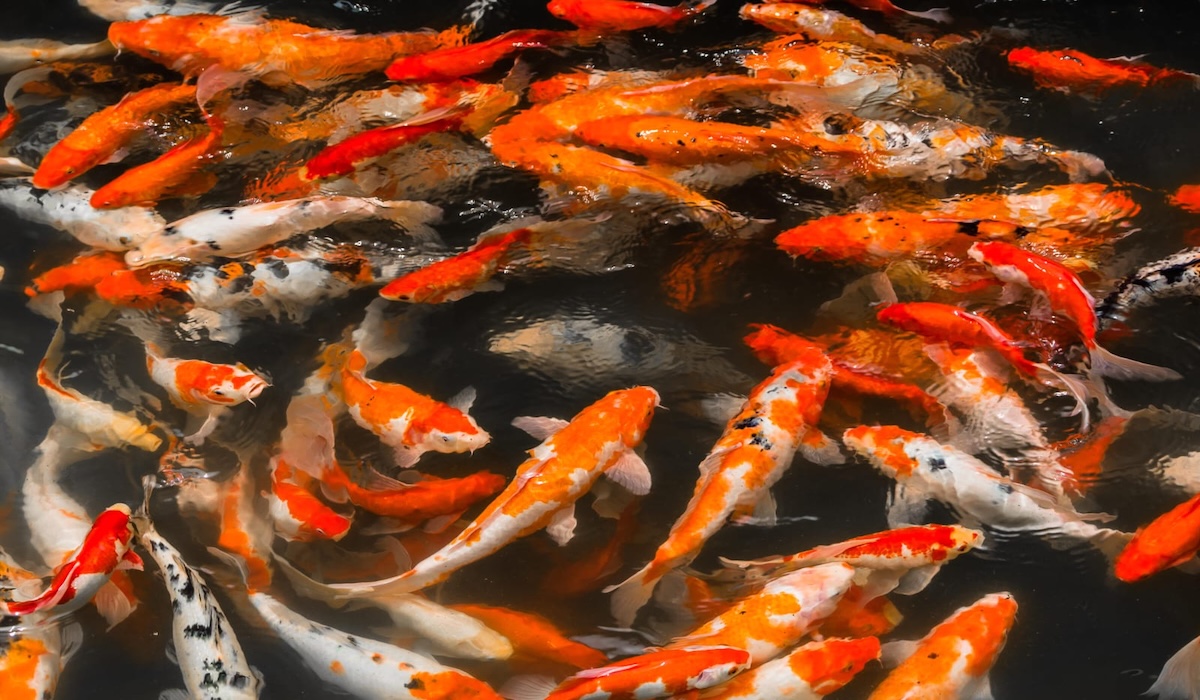
Koi Herpesvirus Disease (KHVD) is now a serious threat to the global aquaculture industry after a recent study revealed its fatal impact on carp and koi populations. The collaborative research, involving Universitas Airlangga (UNAIR) and the National Research and Innovation Agency (BRIN), highlights the potential for massive economic losses due to extremely high fish mortality rates.
The study, published in the Journal of Advanced Veterinary Research, explains that KHVD is caused by Cyprinid herpesvirus 3 (CyHV-3). This highly contagious virus attacks vital organs such as the gills, kidneys, and skin tissue. In susceptible populations, particularly young fish, the reported mortality rate can reach 80 to 100 percent.
Researchers from UNAIR, BRIN, and international partners from South Korea and Pakistan stressed that the virus is difficult to control because of its latent phase. Seemingly healthy fish that have been infected can still carry the virus and transmit it again when stressed by changes in water temperature or poor environmental quality.
Environmental factors play a key role in the spread of KHVD. The virus thrives optimally at water temperatures between 18 and 28 degrees Celsius. Beyond temperature, parameters such as oxygen levels, pH, ammonia accumulation, and population density in cultivation ponds accelerate disease transmission among common carp (Cyprinus carpio) and koi.
Economically, a KHVD outbreak has wide-ranging consequences, from the loss of fish stocks to restrictions on international trade. Given that koi are a high-value commodity, a decline in global market confidence poses a real risk for exporters. Accurate diagnosis through PCR and qPCR methods in the laboratory is a crucial step, as physical symptoms often resemble those of other fish diseases.
As a mitigation measure, the research team is encouraging vaccine development, ranging from live attenuated vaccines to DNA vaccines. However, while waiting for large-scale vaccine efficacy to be proven, the implementation of strict biosecurity, quarantine for new fish, and routine water quality management remain the first line of defence in maintaining the sustainability of the global aquaculture industry.