
KNTI Urges Integrated Cold Chain System from Sea to Market
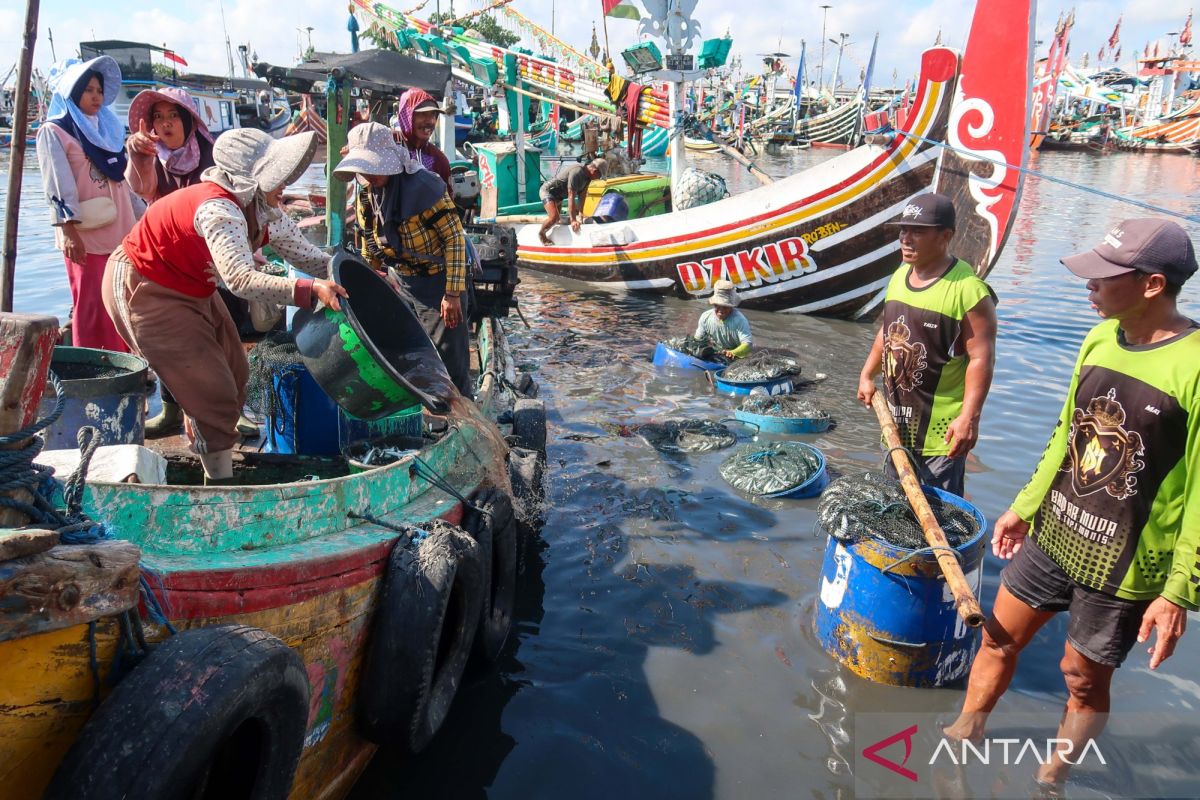
The most fundamental cold chain facilities for fishermen could include cold boxes that can be taken out to sea. This also includes providing ice supplies in areas near the docking sites of small-scale fishermen.
Dani Setiawan, Chairman of the Indonesian Traditional Fishermen’s Union (KNTI), is pushing for the development of an integrated cold chain system from the sea to the market to increase the economic value of catches and expand benefits for small-scale fishermen.
Speaking in Jakarta on Monday, Dani stated that KNTI encourages the construction of cold chains to be designed in a way that ensures access and benefits reach small-scale fishermen.
He explained that an integrated cold chain system could begin with fishermen at sea, the provision of ice at small-scale fishermen’s landing sites (TPI), and the use of refrigerated trucks so that fish can be distributed directly to fish markets or processing industries.
Part of the catch could also be directed to meet the raw material needs of community-owned fish processing industries, particularly micro and small enterprises. In this way, the cold chain would not only support fish distribution but also create opportunities for value addition at the local level.
“With a model like this, the cold chain does not just serve as infrastructure to facilitate fish distribution for large industries, but also becomes an instrument to strengthen bargaining power and increase the economic value of small-scale fishermen’s catches,” said Dani.
He also recommended that the development of the cold chain should use an approach based on production centres and the needs of fishermen.
According to him, these facilities must be placed in locations close to landing activities and connected to distribution routes and markets, ensuring that the built capacity is fully utilised.
At the same time, small-scale fishermen need to be both users and part of the system’s governance, so that the economic benefits of the cold chain do not stop with logistics providers or large industries, but also help increase fishermen’s income and bargaining power.
Dani believes that strengthening the fisheries supply chain can provide a tangible economic impact. A 2025 World Bank study on Indonesian fisheries indicates that investment in cold storage, processing facilities, and fish markets has the potential to increase fishermen’s income by approximately 23-47 percent.
Dani emphasised that this figure represents the impact of broader supply chain investment, rather than an automatic increase in income for fishermen solely from cold chain facilities.
However, these findings serve as an indication of the significant economic benefits that can be gained from improving the fisheries supply chain.
With an integrated system, Dani believes the economic benefits of strengthening the cold chain can reach more players along the supply chain. Fishermen will gain better access to facilities and markets, while catches will have the opportunity to achieve higher value through better-maintained distribution and processing.