
KNTI Urges Government to Make Fish and Marine Products Mandatory in Free Nutritious Meal Programme
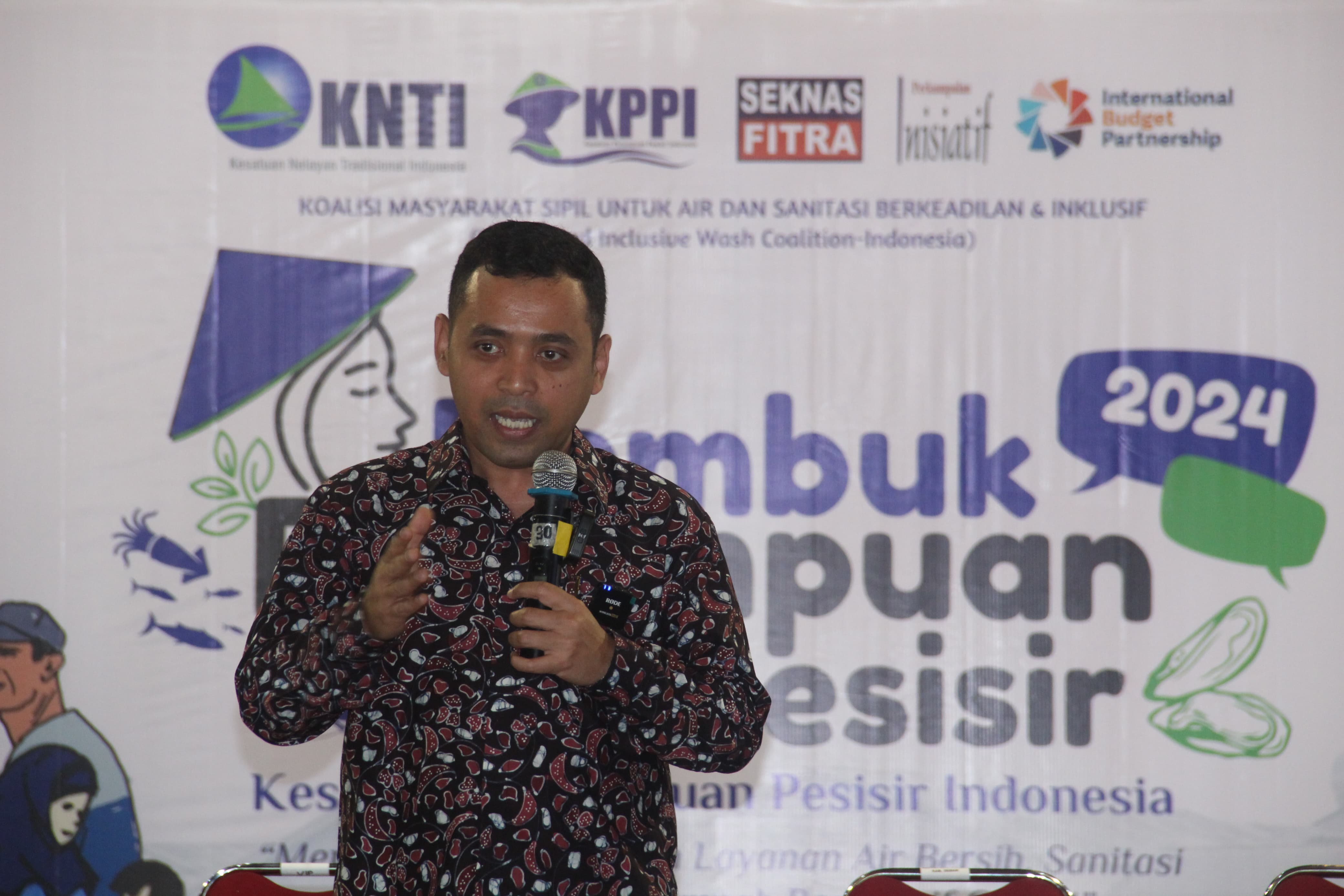
The Indonesian Traditional Fishermen’s Union (KNTI) is urging the government to ensure fish and marine products become a mandatory part of the Free Nutritious Meal (MBG) programme. KNTI Chairman Dani Setiawan stated that the programme, a priority of President Prabowo Subianto, could serve as a crucial instrument to improve children’s nutrition while simultaneously driving economic growth in coastal communities.
Dani highlighted that Indonesia’s fish consumption rate still lags behind several Southeast Asian nations. According to FAO data from 2020, Indonesia’s fish consumption was 44.4 kg per capita per year, below Malaysia, Brunei Darussalam, Cambodia, and Myanmar. Data from Our World in Data in 2023 showed Indonesian consumption at 40.42 kg per capita, compared to Malaysia’s 51.03 kg. Furthermore, in 2025, the Ministry of Marine Affairs and Fisheries (KKP) released a national fish consumption achievement figure of just 26.08 kg per capita per year.
According to Dani, this situation demonstrates the need for more serious efforts to build a culture of fish consumption in society. He believes one of the most effective methods is through the MBG programme, which targets school-age children. “Consuming fish must become a daily routine for Indonesians. The MBG programme is the best way to introduce fish consumption to children from an early age so it becomes a good habit. Besides improving nutritional quality, this step can also help reduce malnutrition and suppress stunting rates,” Dani said.
He assessed that increasing fish consumption through MBG would not only impact public health but also provide significant economic benefits for the national fisheries sector. However, based on KNTI’s findings in several coastal areas, the absorption of fishery products in the MBG implementation remains very minimal. In some regions, the menus provided do not even include fish or other fishery products. “Even though MBG was designed from the outset as a programme utilising local food ingredients. Based on KNTI’s findings, in a number of coastal areas, fish or other marine and fishery products such as seaweed were not found in the food packages provided,” he stated.
Dani identified distribution issues, raw material availability, and fishery product processing capacity as some of the causes for the low utilisation of fishery products in MBG. He therefore urged improvements in the fishery sector’s supply chain management to make fishermen’s catches and aquaculture products more accessible to MBG kitchen operators. This push encompasses five key points.
Firstly, KNTI is urging a revision of several technical provisions deemed potentially obstructive to the entry of fishery products into the MBG supply chain. One such issue relates to National Nutrition Agency Circular Letter No. 3/2026 (24 April 2026), which prohibits the use of frozen products in the programme’s food supply. Dani argued this policy needs to be reviewed because the distribution of fishery products generally requires freezing to maintain quality, safety, and freshness until reaching consumers. Moreover, as a vast archipelagic nation, Indonesia relies on cold chain systems as a vital part of fishery product distribution. “If frozen products are not allowed, it will certainly make it difficult for fishery products to enter the MBG menu. The freezing process is part of standard fish handling aimed at maintaining quality and food safety. This policy needs to be evaluated so it does not become a barrier for fishermen and fishery businesses to participate in the MBG programme,” Dani said.
Secondly, KNTI stressed the importance of strengthening fishery cooperatives as part of the national food supply chain to support MBG needs. According to Dani, fishermen’s cooperatives can become distribution hubs that sustainably connect coastal community production with MBG kitchen requirements. “Fishery cooperatives must become strategic government partners in supplying nutritious food. Not only fresh fish and processed fishery products, but also marine commodities like seaweed, which have high nutritional content and can be processed into various food products to support MBG,” he said.
Thirdly, beyond institutional strengthening, KNTI is also pushing the government to enhance the capacity of fishermen and cooperatives to meet food safety standards. This step is considered important to ensure that fishery and marine products entering the MBG supply chain meet the required quality, safety, and nutritional standards. “We hope there will be mentoring and training programmes for fishermen and cooperatives regarding post-harvest handling, cold chain management, processing, packaging, and distribution of fishery and marine products. This way, products from coastal communities can meet food safety standards and be more widely absorbed into the MBG programme,” Dani stated.
Fourthly, KNTI is urging the government to ensure that MBG governance is transparent, accountable, and free from corrupt practices. Given the large budget allocated and the programme’s extensive coverage, strict oversight is deemed a primary requirement so that the benefits of MBG are truly felt by the community. Dani emphasised that transparency of information regarding food procurement, budget management, and programme implementation must be guaranteed.
Source: jawawa.id (https://jawawa.id/newsitem/knti-urges-government-to-make-fish-and-marine-products-mandatory-in-free-nutritious-meal-programme-1782125496)
Originally published by Media Indonesia (https://mediaindonesia.com/humaniora/903023/knti-dorong-ikan-dan-produk-kelautan-jadi-menu-wajib-mbg-perkuat-gizi-anak-dan-ekonomi-nelayan), translated from Indonesian