
KNTI pushes for rights-based fisheries policy at SSF Summit 2026
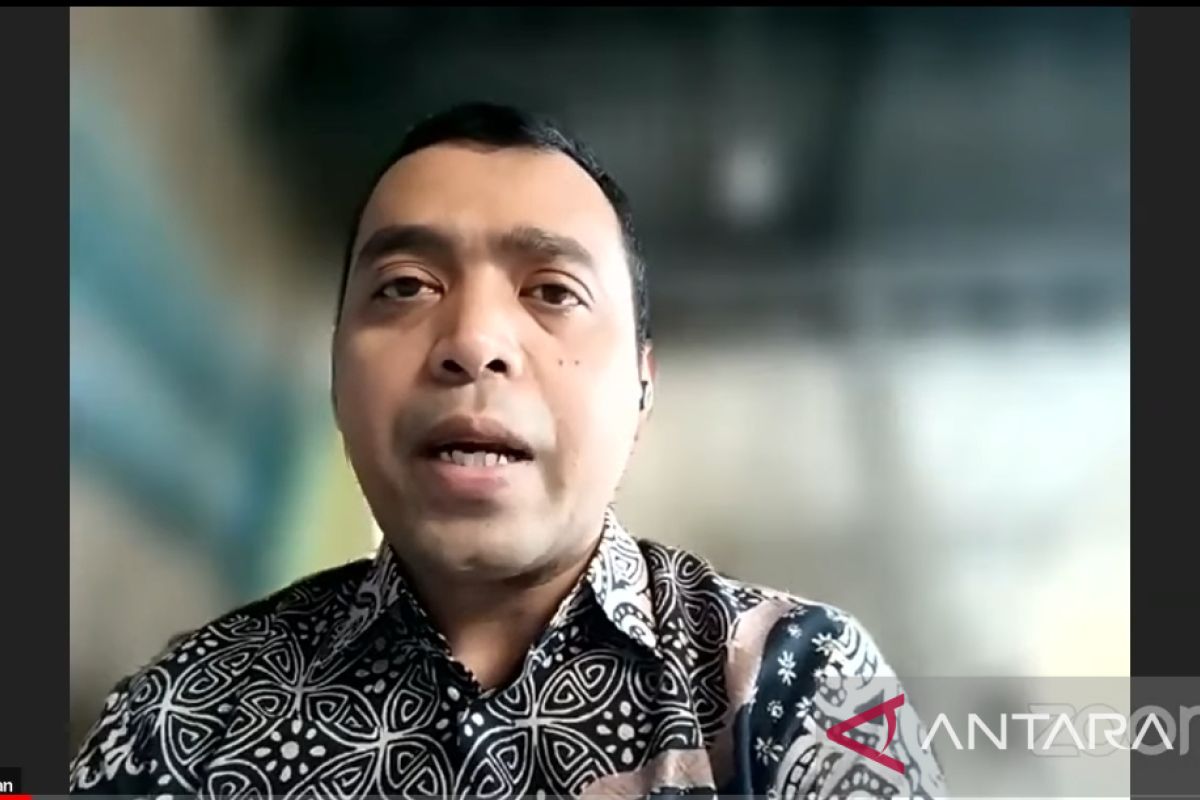
The contribution of fishermen to food security remains disproportionately low compared to their level of welfare.
Jakarta (ANTARA) - The Indonesian Traditional Fishermen’s Union (KNTI) is pushing for a paradigm shift in government policy, moving from a purely programme-based approach towards a rights-based approach to fulfil and protect the rights of small-scale fishermen.
KNTI General Chair Dani Setiawan stated that while policies to improve the welfare of fishermen—who play a vital role in national fisheries production—are necessary, their significant contribution to food security is inversely proportional to their level of prosperity.
“Referring to World Bank data, approximately 64.2 per cent of Indonesia’s 288 million population still lives in poverty. This poverty is prevalent in coastal areas, including among small-scale fishermen, who also face stunting issues. Furthermore, in 2025, the Ministry of Marine Affairs and Fisheries (KKP) noted that around 70 per cent of nearly 200 regencies/cities classified as extremely poor are located in coastal regions,” Dani explained in a statement received in Jakarta on Wednesday.
Dani noted that this proposal will be presented at the ‘3rd Small-Scale Fisheries Summit (SSF Summit) 2026’, held in Rome, Italy, from 4–6 September 2026. The summit brings together small-scale fishing organisations, governments, civil society organisations, academics, and various global stakeholders to discuss the implementation of the Food and Agriculture Organization (FAO) Voluntary SSF Guidelines.
He emphasised that the government must recognise fishermen as rights holders and the government as duty bearers.
One of the primary issues brought forward by KNTI is the importance of changing the perspective on fishermen’s participation in the policy-making process, which should not be measured solely by the number or percentage of fishermen attending public consultations.
“Fishermen’s participation must be viewed through a meaningful participation approach, measured by the extent to which the voices and interests of fishermen truly influence the final decisions in the formulation and implementation of policy,” Dani concluded.
At the SSF 2026 forum, Dani Setiawan will bring the experiences and perspectives of Indonesian fishermen, particularly regarding the formulation and implementation of the National Plan of Action for Small-Scale Fisheries (NPOA-SSF).
For context, the Food and Agriculture Organization (FAO) organises the International Fisheries Forum, known as the Small-Scale Fisheries (SSF) Summit, to discuss the progress of implementing the FAO Voluntary SSF Guidelines in individual countries, referred to as the National Plan of Action for Small-Scale Fisheries (NPOA-SSF).
In Indonesia, the NPOA-SSF was issued by the Ministry of Marine Affairs and Fisheries (KKP) in November 2025 in the form of the National Action Plan for the Protection of Small-Scale Fisheries (RAN-PPSK).