
Know the Risk Factors for Hepatitis and Early Prevention Measures
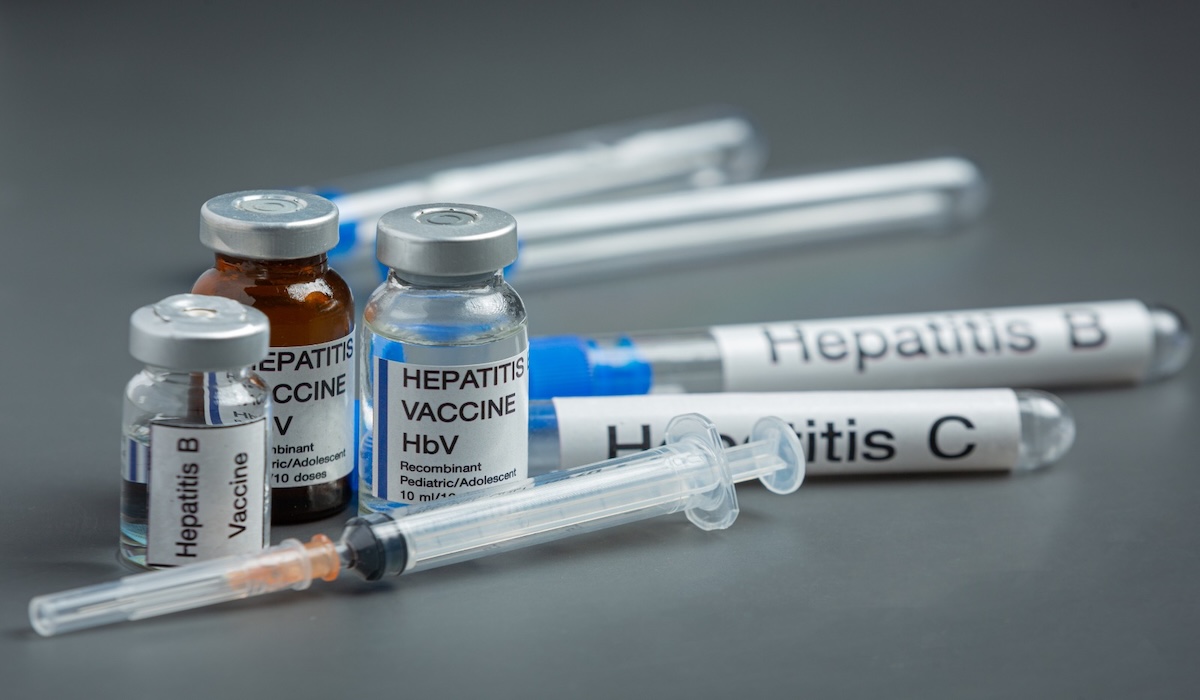
Hepatitis remains a serious health threat, causing inflammation of the liver and raising the risk of chronic complications such as cirrhosis and liver cancer. According to recent reports, prevention through vaccination and the avoidance of risk factors is the key to reducing deaths from this virus.
The World Health Organization (WHO) records viral hepatitis as one of the leading causes of preventable death worldwide. The current focus is on Hepatitis B and C, as both frequently develop into long-term infections that permanently damage liver function.
The Centers for Disease Control and Prevention (CDC) affirm that vaccination is the most effective method of preventing the transmission of Hepatitis B. Vaccination is strongly recommended for infants, children, adolescents and adults who fall into high-risk groups.
Hepatitis B is generally transmitted through contact with blood, infected bodily fluids, and from mother to baby during childbirth. WHO data shows that around 240 million people were living with chronic Hepatitis B infection in 2024, significantly increasing the risk of death from severe liver damage.
Beyond vaccination, behavioural change is a crucial aspect of prevention. The CDC urges the public not to share syringes or personal equipment that could be contaminated with blood. The use of non-sterile medical instruments and unsafe sexual practices are also major routes for the spread of the virus.
Unlike type B, there is currently no vaccine for Hepatitis C. Protection against Hepatitis C therefore depends entirely on avoiding direct contact with infected blood and ensuring that medical procedures are carried out safely.
The WHO Global Hepatitis Report 2026 reveals a worrying fact: around 1.3 million people died in 2024 from complications of Hepatitis B and C. Of that total, Hepatitis B accounted for 1.1 million deaths, whilst Hepatitis C caused around 240,000.
The WHO emphasises that expanding access to vaccination, early diagnosis and proper treatment is essential to achieving the target of eliminating hepatitis as a public health threat by 2030. Individual awareness of the importance of early screening is the decisive first step.
Indonesia’s Ministry of Health (Kemenkes) has revealed the startling fact that 90 per cent of hepatitis sufferers are unaware they are infected, and has warned of the danger of chronic hepatitis as a silent killer threatening 70 million Indonesians.
The liver plays a vital role in the body, filtering toxins, aiding digestion, storing nutrients and producing various substances the body needs. Hepatitis B and C often strike without symptoms, causing 1.3 million deaths a year from cirrhosis and liver cancer — underlining the importance of early detection.