
KNMP Could Reduce Fishers’ Dependence on Middlemen
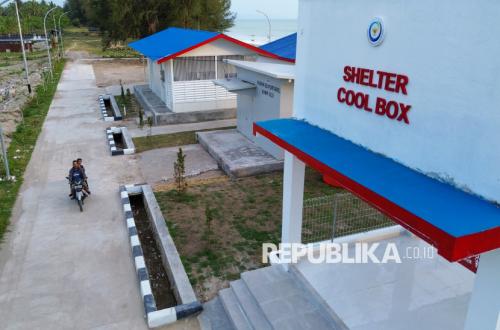
JAKARTA – The Kampung Nelayan Merah Putih (KNMP) programme is considered capable of increasing small-scale fishers’ incomes while stimulating economic activity in coastal communities. However, its success will require more than infrastructure development and higher production: it also depends on access to finance, protection of fishing grounds and stronger bargaining power for fishers.
The Indonesian Traditional Fishers’ Union (KNTI) says KNMP is one programme with the potential to address fundamental problems in the traditional fisheries sector. It needs to be implemented consistently through co-operation between the Ministry of Marine Affairs and Fisheries (KKP), fishers and coastal communities.
KNTI chairman Dani Setiawan said government policies during the two-year administration of Prabowo-Gibran should deliver greater benefits to small-scale fishers. He said coastal economic development requires sustained financing so communities can improve productivity and income.
“It is time for the government to focus on fishers and on the potential to drive the coastal economy through consistent capital financing,” Dani said in Jakarta on Monday (26 October 2026).
Alongside KNMP, other government programmes highlighted by KNTI include the development of themed fish-farming initiatives, salt self-sufficiency and the modernisation of fishing vessels. Dani said these policies should be accompanied by protection for sustainable fishing practices and the fishing grounds used by traditional fishers.
Such protection is important to ensure that coastal development does not reduce small-scale fishers’ access to marine resources. KNTI also stressed the need for policies that safeguard coastal communities’ living space amid expanding economic activity and investment.
Dani said KNMP could create new economic activity if it is implemented in line with communities’ needs. In addition to increasing fisheries productivity, the programme could support food security and expand job opportunities in coastal villages.
“The KNMP programme has the potential to create new jobs, stimulate village economic activity and broaden the distribution of development in coastal areas,” Dani said.
Dani said the government must ensure that the construction of KNMP facilities is followed by ongoing oversight and support. This would ensure that the programme’s benefits go beyond the provision of facilities and infrastructure and are also reflected in improved livelihoods for fishers.
“KNMP should be regarded as part of the state’s efforts to fulfil small-scale fishers’ rights to fair development and a healthy environment,” Dani said.
He added that coastal development must take account of communities’ rights to their living space and access to fisheries resources. Dani said government policy could help strengthen small-scale fishers’ legal certainty when using coastal areas.
“We see that government programmes are in fact making a real effort at territorial reclamation, or the lawful recovery of space, to defend the rights of small-scale fishers,” Dani said.
Meanwhile, Bagus Mangundiwiryo, a researcher at the Indomasive Institute, said fisheries infrastructure development could help address structural poverty in coastal areas. Facilities to store and distribute catches, he said, are essential for small-scale fishers.
Based on Indomasive’s analysis of maritime downstream industries, cold-storage facilities and logistics jetties can help increase the economic value of catches. This infrastructure should also be supported by the use of appropriate technology to make fishing businesses more efficient.
“The key is cold-storage sovereignty, improvements to logistics jetties and the integration of appropriate technology. Cold-storage infrastructure can effectively break fishers’ dependence on middlemen, who often set catch prices unilaterally,” Bagus said.
Bagus explained that a lack of storage facilities often forces fishers to sell their catches immediately, even when market prices are unfavourable. With cold-storage facilities, fishers have a greater opportunity to preserve the quality of their fish and choose when to sell.
Strengthening logistics infrastructure is also expected to help fishers gain access to wider markets. With support for facilities, financing and protection of fishing grounds, KNMP is expected to deliver sustainable economic benefits to coastal communities.