
KNKT Simulates Signalling System Following KRL–Argo Bromo Accident in East Bekasi
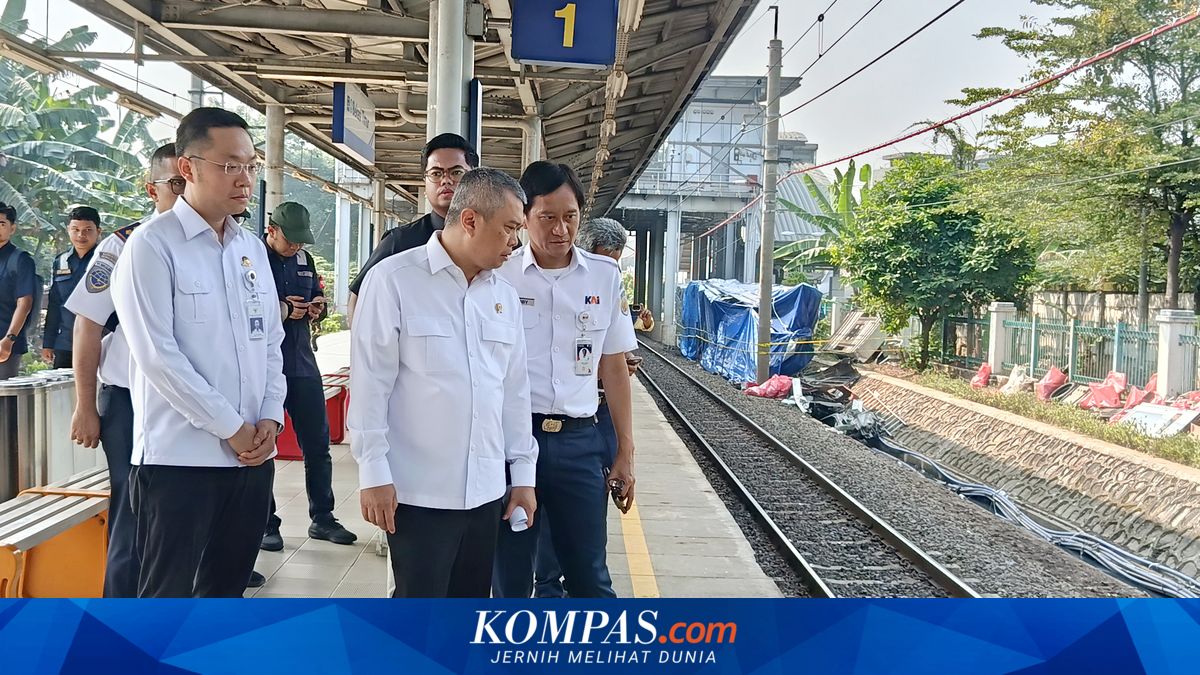
JAKARTA, KOMPAS.com - The National Transportation Safety Committee (KNKT) has conducted a simulation of the railway signalling system as part of the investigation following the incident involving the collision between an electric rail train (KRL) and the Argo Bromo Anggrek train at Bekasi Timur Station.
The Ministry of Transportation (Kemenhub) fully supports the investigation and simulation process carried out by the KNKT.
Transport Minister Dudy Purwagandhi stated that the KNKT’s signalling simulation was conducted to understand possible technical causes, particularly related to the function and response of the signalling system during the incident.
He said that the KNKT itself has emphasised that the investigation process is carried out thoroughly, objectively, and based on field data.
Therefore, the Ministry of Transportation is committed to following up on the investigation results to improve railway operational safety.
“We reiterate that safety aspects are the top priority,” added Minister Dudy.
As of yesterday, there were 107 victims recorded, consisting of 16 deaths and 91 injuries.
Meanwhile, 43 passengers have been allowed to go home.
For information, today long-distance train (KA JJ) services have resumed operations.
Vice President of Corporate Communication at KAI, Anne Purba, said that after trials on Wednesday (29/4/2026), train journeys are still experiencing some delays as part of the operational pattern adjustment process.
“The arrangements are being carried out carefully so that journeys can resume safely and under control,” said Anne.
It is known that the accident incident began when a Cikarang-Jakarta route electric rail train (KRL) series hit a vehicle at the JPL 85 level crossing.
As a result, officers stopped another KRL series with code PLB 5568 heading to Cikarang at the Bekasi Timur Station platform.
However, the Argo Bromo Anggrek train (KA 4) on the Jakarta-Surabaya route did not manage to stop completely, leading to the incident with the stationary PLB 5568 train.