
KNKT Proposes Redesigning Ferry Hydrant Systems via Overhead Routes
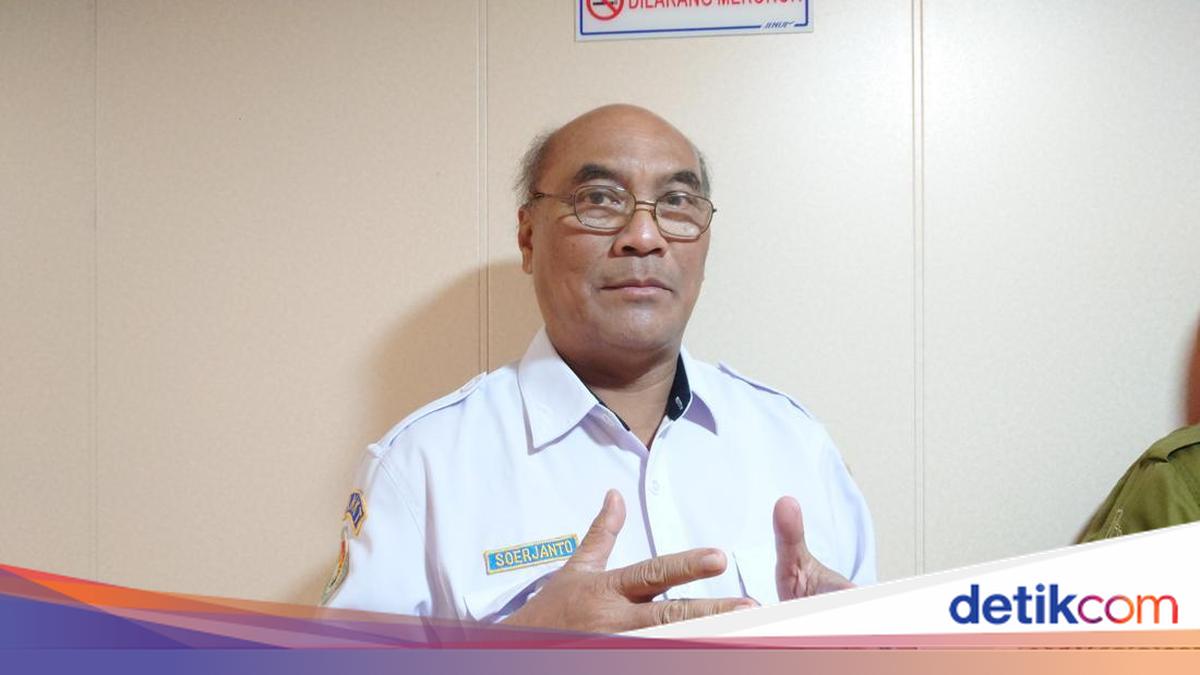
The National Transportation Safety Committee (KNKT) has revealed a crucial obstacle in fire emergency response on ferry ships. The KNKT highlighted the high level of difficulty faced by ship crews when attempting to deploy fire hoses when the vehicle deck is densely packed.
KNKT Chairman Soerjanto Tjahjono stated that fires on vehicle decks typically spread very rapidly and are difficult to control. This situation complicates matters for officers because rows of tightly parked vehicles often block crew access to deploy the hydrant system.
“If the deck is empty, it is easy. But once there are vehicles, it turns out that in several incidents, the crew cannot deploy the hoses from the hydrants for firefighting,” said Soerjono after observing an emergency response simulation on the KMP Jemla, Thursday (10/09/2026).
Recognising this significant risk, the KNKT has invited all stakeholders, including regulators, the Indonesian Classification Bureau (BKI), and ship operators, to participate in discussions. The objective of these discussions is to redesign the layout and fire-fighting routes on ferries.
Soerjanto proposed that hydrant lines should no longer be placed in lower areas vulnerable to vehicle obstruction, but should instead be designed via overhead routes. This step is expected to make it easier for crews to reach safety equipment during critical conditions.
“We have safety equipment, but it cannot be used when a fire occurs. Therefore, a redesign is necessary so that the system can be more effective,” he said.
He added that this emergency response simulation is not merely a demonstration of skill. The simulation serves as a comprehensive evaluation tool to map danger gaps and prevent future loss of life.
“Actual emergency conditions are certainly much more complex than during training. From this simulation, we can envision the obstacles in the field and prepare preventive measures so that similar difficulties do not recur,” he said.