
KNIU Moves Under Culture Ministry from Education Ministry
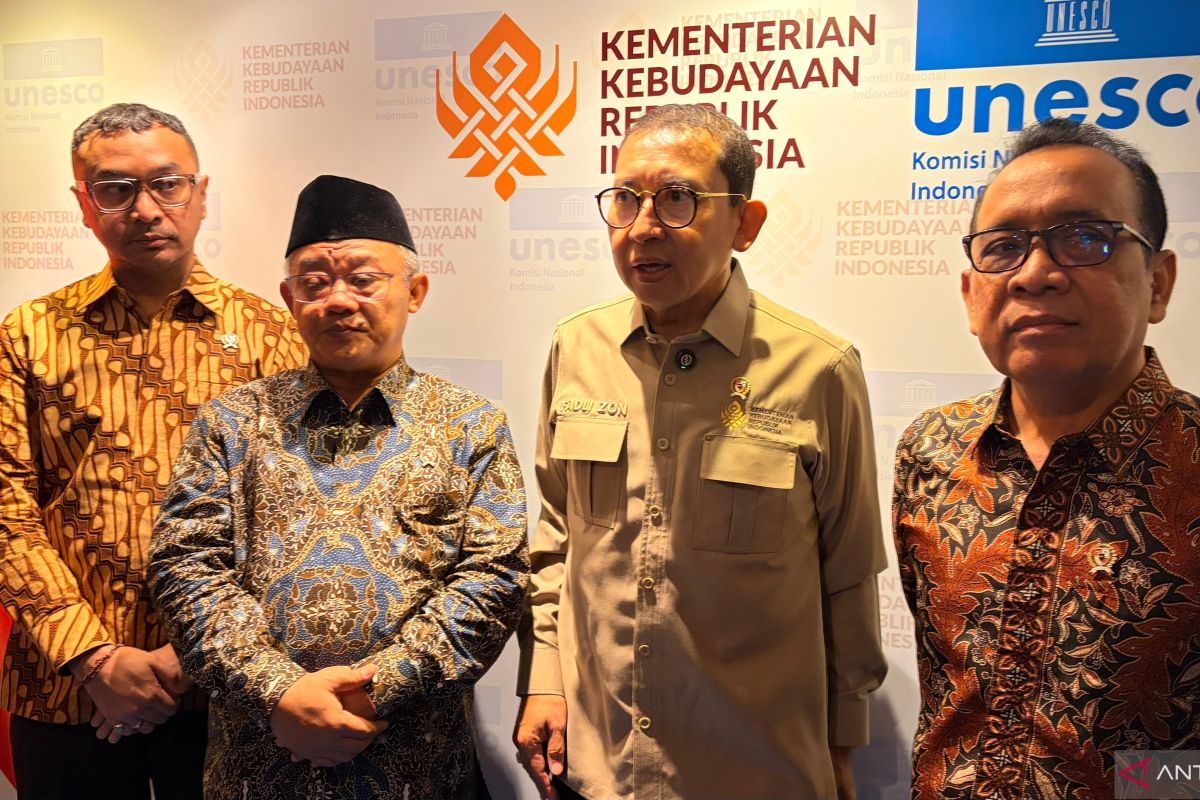
The Indonesian National Commission for UNESCO (KNIU) is now officially under the auspices of the Ministry of Culture, having previously been under the Ministry of Primary and Secondary Education (Kemendikdasmen). The decision to transfer authority is stipulated in Presidential Regulation Number 31 of 2026 concerning KNIU, which was promulgated on 13 May 2026. Article 9 of the regulation mandates that the chair of KNIU shall be the minister responsible for governmental affairs in the field of culture. Culture Minister Fadli Zon, during a press conference in Jakarta on Monday, welcomed the decision and assessed that the move is expected to demonstrate Indonesia’s tangible role within UNESCO. On the same occasion, Coordinating Minister for Human Development and Culture Pratikno urged that the transfer of tasks and data proceed swiftly between the two ministries. From a technical perspective, Director General of Diplomacy, Promotion and Cooperation at the Ministry of Culture, Endah TD Retnoastuti, stated that institutional governance arrangements are currently underway. She also assured that activities would continue so there is no gap in the Ministry of Culture’s execution of its duties. Indonesia has been elected as a member of UNESCO’s Intergovernmental Committee for the Safeguarding of the Intangible Cultural Heritage for the 2026–2030 period. Culture Minister Fadli Zon stated in Jakarta on Friday (19/6) that Indonesia secured 113 votes from UNESCO member states and was elected alongside Japan (117 votes), the Philippines (106 votes), and Cambodia (97 votes) in Group IV representing the Asia-Pacific region. The election of Indonesia as a member of the UNESCO Intangible Cultural Heritage Committee for 2026–2030 is both an honour and a significant mandate. Indonesia previously served on the committee for the 2010-2014 period. According to Fadli Zon, this success demonstrates that beyond possessing an immensely rich and diverse cultural heritage, Indonesia also has the capacity to contribute to building a more inclusive, sustainable, and community-centred future for global cultural governance.