
KNEKS Focuses Halal Value Chain on Indonesia's Sharia Ecosystem
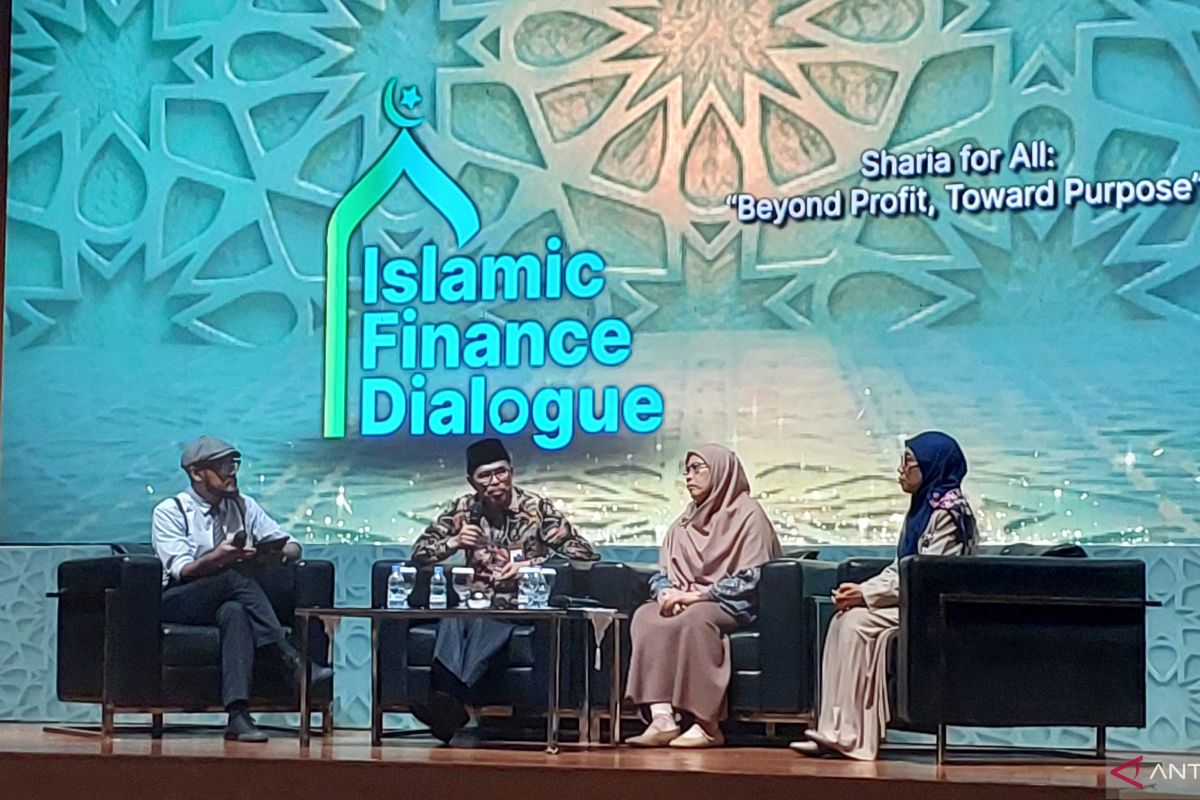
Acting Director of the Halal Product Industry at the National Committee for Sharia Economy and Finance (KNEKS), Putu Rahwidhiyasa, stated that the government is focusing on the halal value chain to support the creation of sharia-based economic growth within Indonesia’s halal ecosystem industry. “Even abroad, where the majority are non-Muslim, they are now also seeking halal products because they believe that halal is healthy. The process is guaranteed from upstream to downstream; it will be inspected and traced, so that by the time it reaches them, it is truly clean and healthy,” Putu said at the Islamic Finance Dialogue event in Jakarta on Wednesday. Putu explained that one of the main strategies for strengthening this value chain is through the downstream processing of the significant potential of halal fish gelatin as an import substitute. Gelatin is a vital component in various industries, ranging from pharmaceuticals (capsule shells) and cosmetics (lipstick) to processed foods (yogurt and ice cream). With research that has been ongoing for 20 years at the Bogor Agricultural Institute, Indonesia is expected to be able to produce halal gelatin using raw materials readily available in the country. In addition to gelatin, the fragrance sector is also in the spotlight. Indonesia, particularly Aceh, is known as the world’s best producer of patchouli oil. By strengthening the value chain, the government is encouraging that patchouli oil is no longer exported in raw form but is processed domestically to increase its value-added in the global cosmetics market. “This halal value chain is an opportunity for cooperation, not only within Indonesia but also between countries,” he added. Putu stated that the halal industry has now become a universal standard and represents a global market opportunity that cannot be ignored. The halal value chain within the halal industry, integrated into the 2025-2045 National Long-Term Development Plan (RPJPN), has for the first time in Indonesia’s development history been included as a pillar in the 20-year development plan. Cross-sector collaboration with ministries and agencies is being carried out to strengthen Indonesia’s halal industry, including facilitating access to capital through a digital system that automatically connects halal SME profiles with more than 30 sharia financial institutions, including Bank Syariah Indonesia (BSI). Furthermore, KNEKS and the Ministry of Tourism are targeting the strengthening of a Muslim-friendly tourism ecosystem through an international collaboration scheme. One innovative strategy being developed is optimising the load factor of airlines on Middle Eastern routes by providing incentives for tourists from the Gulf Cooperation Council (GCC) to fill empty seats during the Hajj or Umrah seasons. This measure is expected to increase foreign tourist arrivals while strengthening Indonesia’s foreign exchange reserves.