
KMI Hiroshima Urges Philanthropic Institutions to Support Mosques in Japan
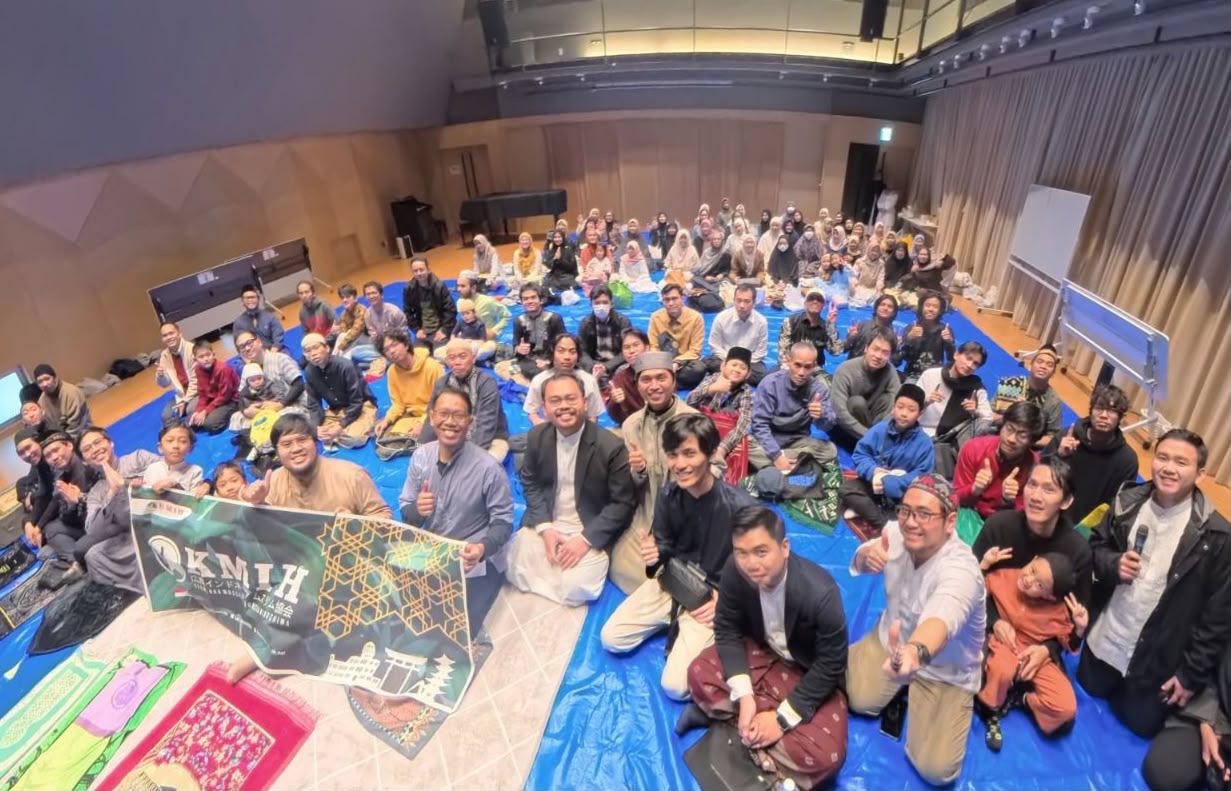
The Indonesian Muslim Family (KMI) Hiroshima, a philanthropic organisation active in social activities, Islamic outreach, and Indonesia-Japan cultural exchange, is urging philanthropic institutions and government agencies overseeing religious and humanitarian affairs to channel programmes to mosques in Japan. Based on 2025 data, the number of Muslims in Hiroshima is recorded at around 6,700 and continues to grow, yet to date there is no local institution specifically acting as a bridge for Indonesian-style Islamic outreach and philanthropy, akin to a local ‘Baznas’, a gap KMI Hiroshima aims to fill. This was conveyed by KMI Hiroshima Chairman Adam Jehan in a written statement from Hiroshima, Japan, on Saturday (20/6). ‘We appreciate philanthropic organisations such as Amil Zakat Institutions (LAZ), Baznas RI, and Malaysia’s ANGKASA, which have global mosque prosperity and empowerment programmes,’ said Adam, a Master of Business Administration (MBA) student at Hiroshima University. He cited several institutions such as Dompet Dhuafa, Rumah Zakat, the National Amil Zakat Agency of the Republic of Indonesia (Baznas RI), and the Malaysian National Cooperative Movement (ANGKASA). Adam commended Baznas RI’s achievement in collecting over one trillion rupiah, as well as ANGKASA Malaysia’s cooperative assistance distribution programme for mosque congregations that has been realised in various ASEAN countries, including for flood survivors in West Sumatra and Aceh. ‘If there are no obstacles, we are ready to coordinate the establishment of a Zakat Collection Unit (UPZ). We are also very open if ANGKASA Malaysia wishes to implement similar programmes in East Asian countries like Japan. We would warmly welcome Baznas RI and ANGKASA Malaysia channelling their programmes through KMI Hiroshima,’ said Adam. As a concrete step, KMI Hiroshima runs a Mosque Visit programme, a mosque tour that is part of the commemoration of Multiculturalism and Philanthropy Day. More than 100 Japanese citizens participated in the tour titled ‘Getting to Know Multicultural and Peaceful Indonesian Islam’ at the Hiroshima Mosque, aimed at introducing the concept of rahmatan lil ‘alamin outreach, showcasing a tolerant and inclusive face of Indonesian Islam that has lived harmoniously in Japan for up to three generations. During the visit, participants received an in-depth explanation of Indonesian Islam as a majority religion that upholds diversity and interfaith harmony, delivered by Ustaz Tarmizi, a board member of the Mihara Mosque Prosperity Council (DKM) in Hiroshima. Participants also witnessed firsthand the practice and performance of the midday prayer in congregation, enabling them to understand the solemnity and orderliness of worship in Indonesian Muslim tradition, followed by a communal lunch featuring halal Indonesian cuisine as a symbol of togetherness and cultural appreciation. ’As a community engaged in philanthropy, we are very pleased to welcome Japanese families to the Hiroshima Mosque. Through this event, we aim to introduce Indonesian Islam that is rahmatan lil ’alamin: peaceful, inclusive, and full of respect for differences. Going forward, we want KMI Hiroshima to become a pioneer of Indonesian Islamic philanthropy in Japan, bridging global programmes to the Indonesian Muslim community that has now reached its third generation in this country,’ said Adam. As concrete evidence of KMI Hiroshima’s role as a player in Islamic philanthropy, not merely a facilitator, Adam explained that during this year’s Eid al-Fitr, the Mihara Mosque together with KMI Hiroshima initiated the collection of zakat and donations from the Indonesian Muslim community in Hiroshima. The total funds collected reached more than Rp50 million, all of which were redistributed to Indonesian citizens in Hiroshima in need. ‘Our philosophy is simple: from Hiroshima, for Hiroshima. Funds collected from the community here are redistributed for the community here as well. This serves as an initial model of how Indonesian Islamic philanthropy can take root and grow in a foreign land,’ said Adam. Adam added that his party is enthusiastic about partnering with Baznas RI and ANGKASA Malaysia through the Indonesian Embassy in cultural Islamic outreach programmes promoting rahmatan lil ‘alamin, including forming mosque UPZs and a network of zakat and Islamic philanthropy volunteers in Japan. ’If given the opportunity, we are ready to meet and hold audiences, both online in the short term and offline in the long term, so that peaceful, inclusive, and tolerant Indonesian Islam becomes increasingly embedded in the hearts of our Japanese brothers and sisters,’ he concluded. KMI Hiroshima cooperates with the Hiroshima City Government in running this programme. ‘Relations between Indonesia and Japan have been very well established. Visits like this are a form of cultural and religious diplomacy that strengthens the friendship between the two nations,’ said Adam. This event also introduced the existence of the Indonesian Muslim community in Japan, which has reached its third generation, and strengthened local residents’ understanding of a peaceful and moderate Islam.