
KM Mutiara Sentosa 2 Catches Fire: A Record of Ship Accidents in Indonesia During 2026
Maritime safety in Indonesia has once again become a focal point of intense scrutiny throughout 2026. As the world’s largest archipelagic nation, the reliance on motor vessels (KM) for logistics and passenger mobility remains high, yet this is accompanied by fluctuating accident risks. From early January to August 2026, several fatal incidents have been recorded, with the tragedy of KM Mutiara Sentosa 2 becoming one of the events that has most captured public attention.
The incident involving KM Mutiara Sentosa 2 represents a dark period in this year’s shipping industry. This Roll-on/Roll-off (Ro-Ro) vessel reportedly experienced a serious incident while traversing an inter-island route. According to gathered data, the ship was transporting hundreds of passengers as well as dozens of logistics vehicles.
The incident began when sparks appeared in the vehicle deck area, which rapidly spread due to strong winds and the presence of flammable materials within logistics trucks. Self-extinguishing efforts by the ship’s crew were attempted, but the automatic fire suppression system reportedly failed to function optimally, forcing the captain to issue an emergency abandon ship order.
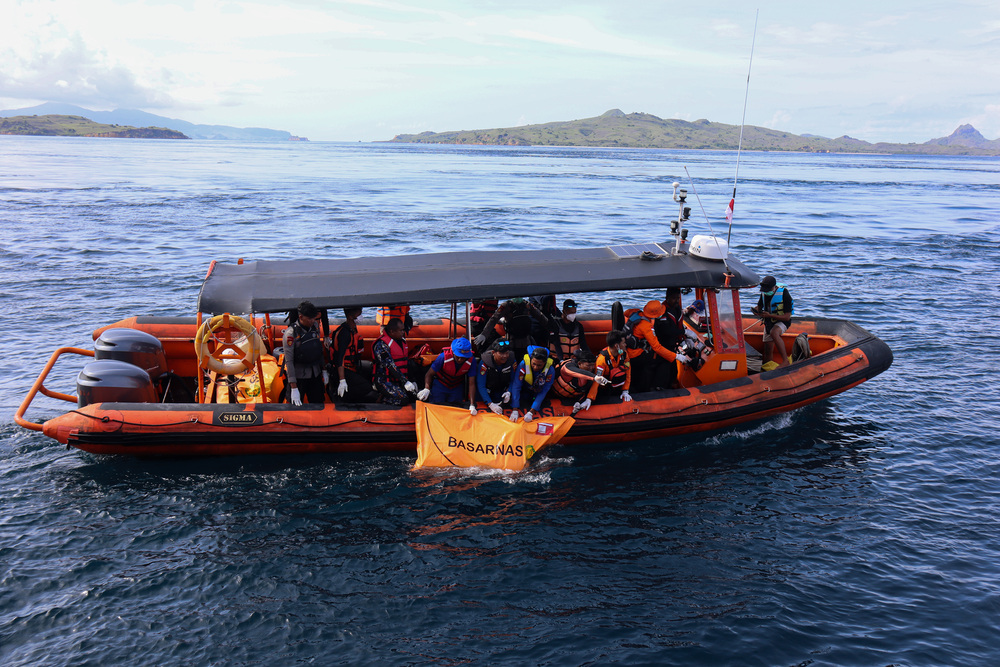
Initial investigations indicate several interrelated factors in the KM Mutiara Sentosa 2 accident. Regarding the number of casualties, preliminary data records fatalities and injuries, with victims evacuated to the nearest hospitals. Joint SAR teams worked extra hard to conduct searches in the last known coordinates of the vessel before it was declared fully sunk.
In addition to the KM Mutiara Sentosa 2 incident, Indonesian waters have recorded several other incidents since the beginning of 2026. The recurrence of ship accidents in Indonesia indicates gaps in the maritime safety oversight system. Maritime experts have highlighted three main aspects that need permanent improvement:
Vessel Maintenance: Many ships operating in Indonesia are ageing vessels that have undergone multiple modifications. Without strict routine maintenance and feasibility audits from relevant authorities, the risk of mechanical failures such as leaks or fires will always loom.
Manifest Accuracy: The practice of loading passengers or goods without being recorded in the official manifest is still frequently found, especially on local passenger routes. This not only endangers the stability of the ship but also complicates the victim identification process when a disaster occurs.
Weather Monitoring: Global climate change is impacting unpredictable weather patterns in Indonesian waters. Increasing weather literacy for captains and compliance with early warnings from BMKG (Meteorology, Climatology, and Geophysical Agency) is essential to reduce accident rates.