
KM Maulana Crew Member Abused for Missing Catch Target; Captain Set the Punishments
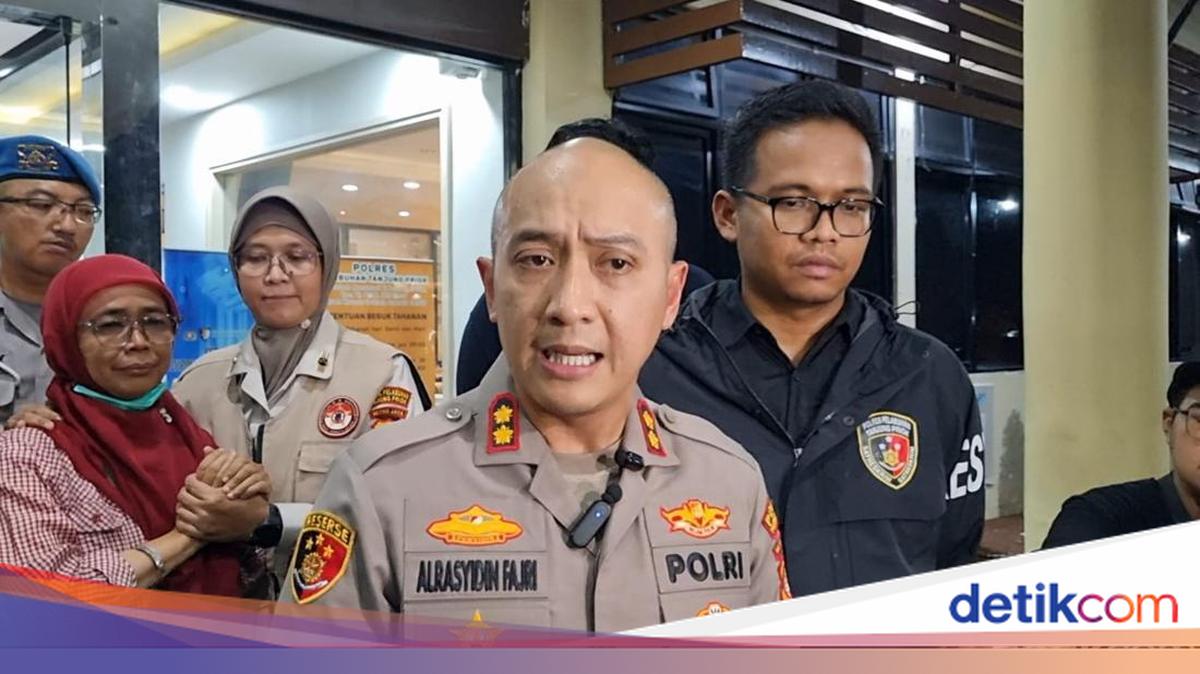
Police have named nine suspects in a human-trafficking case following the severe beating of four crew members aboard the KM Maulana 23. One of the suspects, identified as S, was the vessel’s captain.
“S, the ship’s captain, set work targets and imposed punishments on the crew,” Tanjung Priok Port Police Chief AKBP Alrasyidin Fajri told reporters on Thursday (15 October 2026).
The four crew members who were allegedly assaulted were Ilham Shalahudin, Oktavian Makhreza, Syawal Suswono and Johan Saputra. They were beaten for failing to meet a daily catch target of three kilograms.
“The victims were forced to keep working because they were trapped by debts incurred at the start of the voyage. They were given squid-catching targets; if they failed to meet them, they were not paid their daily wages and faced physical punishment, including violence,” he said.
In addition to the captain, police named S, the director of PT A and the vessel’s owner, as a suspect; AR, who housed crew members and sent them to the company; and AS, who collected the crew and guarded them at their accommodation.
K allegedly collected and took crew members to the accommodation, while RD allegedly recruited them and brought them there. Three other suspects, K, AB and S, allegedly handled crew members’ departure documents and forged signatures.
Findings of slavery aboard the vessel
The Ministry of Maritime Affairs and Fisheries (KKP) is also investigating the alleged abuse of the four crew members aboard the KM Maulana 23. The ministry has secured the vessel and its 28 crew members for questioning.
Pung Nugroho Saksono, director-general of the ministry’s Marine and Fisheries Resources Surveillance unit, known as Ipunk, said investigators found suspected violence linked to squid-catch targets. The vessel reportedly had a rule that crew members who failed to meet their catch targets would be physically punished.
According to accounts from several crew members, they worked from evening until morning and received only two meals a day. Ipunk said the conditions aboard the KM Maulana 23 amounted to slavery.
“This is a form of slavery: people are made to work, tortured and beaten. This is a time of independence. The KKP is there; the state is present. We must ensure that these fishers are protected,” Ipunk said in a statement on Tuesday (6 October 2026).
Beyond the alleged assaults, the ministry found indications of other violations, including the vessel’s vessel monitoring system (VMS) being inactive. Ipunk said this compounded the case, which involves alleged violence as well as breaches concerning vessel monitoring and permits.
Mochamad Idnillah, director of fishing vessels and fishing gear, said the KKP had issued Ministerial Regulation No. 4 of 2026, which sets out protections for crew members, including certification requirements. The ministry will also review certain types of fishing gear and vessels suspected of involvement in forced labour, human trafficking, slavery and other violations.
“We have mapped several ports and types of fishing vessels using particular gear. Recruitment still often relies on brokers,” Idnillah said.
He acknowledged that crew recruitment is one of the problems that needs to be addressed. The KKP’s mapping shows that many recruitment processes still use brokers.
He said this practice can cause problems because promises made during recruitment do not always match the conditions crew members encounter after setting sail, including advances, profit-sharing arrangements and catch targets. The KKP will tighten recruitment procedures.
All manning agencies supplying fishing-boat crew will be required to operate legally. Vessels that do not recruit through an authorised manning agency will also face consequences when seeking a sailing permit (SPB).
Idnillah said profit-sharing arrangements remained another problem in the fishing-vessel sector. Crew members can earn substantial amounts when catches are high, but their income can be very low when problems arise during operations.