
KLH: Two Districts in South Kalimantan Require Special Approaches to Waste Management
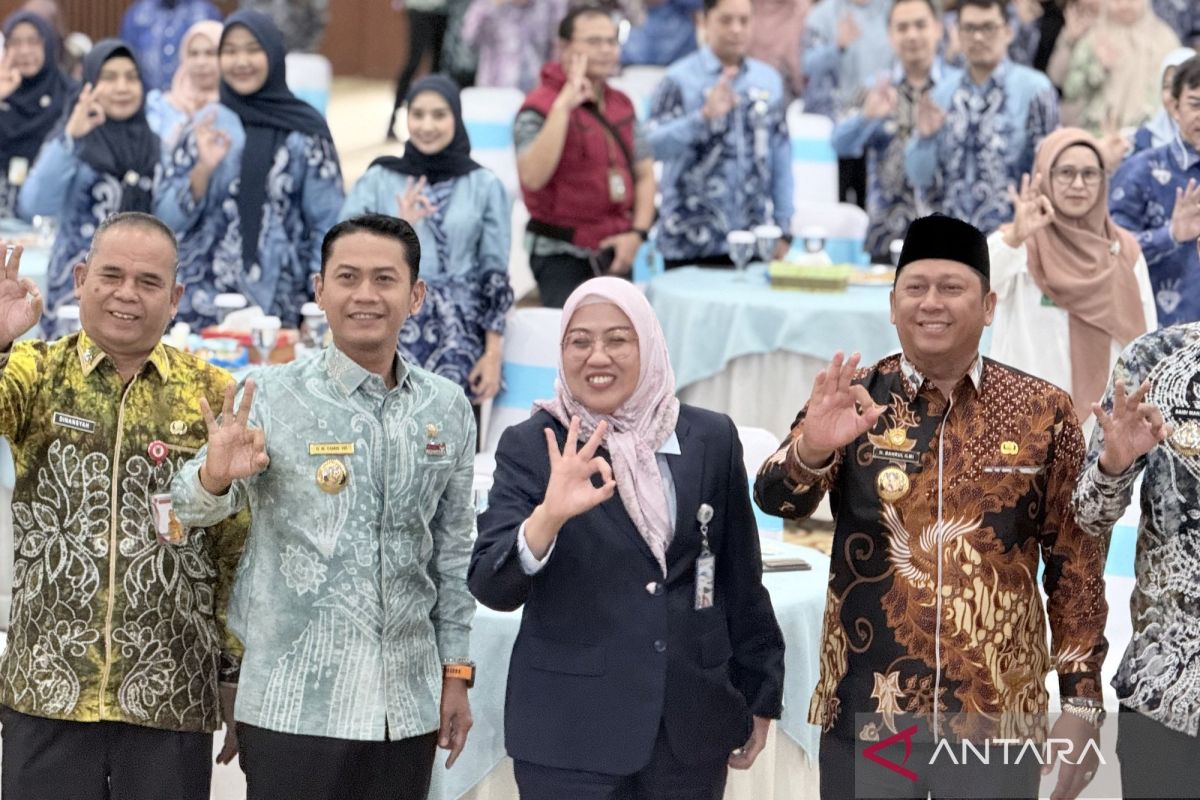
Challenges in waste management are not merely technical but are also influenced by geographical conditions, such as swampy areas in the two districts that hinder the construction of conventional waste infrastructure.
Banjarbaru (ANTARA) - The Ministry of Environment and Forestry (KLH) states that Barito Kuala Regency and North Hulu Sungai Regency in South Kalimantan (Kalsel) still require special attention for waste handling, as their respective geographical conditions demand different strategies to ensure effective and sustainable waste management.
KLH’s Special Staff for Inter-Agency Relations between Central and Regional Governments, Hanifah Dwi Nirwana, stated in Banjarbaru on Thursday that several areas in Kalsel have shown progress, including those approaching clean status or obtaining certifications, although some regions still need further guidance.
“Waste management challenges are not only technical in nature but are also influenced by geographical conditions, such as swampy areas in those two regencies that make it difficult to build conventional waste infrastructure,” she said.
“Waste management assessments are now conducted comprehensively, covering regulations, budgets, human resources, as well as facilities and infrastructure, so that each region can adapt strategies to their local conditions,” Hanifah added.
Furthermore, she said, the government continues to encourage the cessation of open dumping practices, with Banjar Regency in Kalsel having successfully transitioned to a more environmentally friendly waste management system.
Hanifah also emphasised that improving overall governance is key to ensuring various programmes, including the development of technology-based facilities, can run effectively and deliver tangible environmental impacts.
In response to the situation, the Head of the South Kalimantan Environment Agency (DLH), Rahmat Prapto Udoyo, affirmed that local governments are continuously strengthening waste management systems to align with national policies on waste reduction and handling.