
KLH: Start climate change adaptation earlier in vulnerable areas
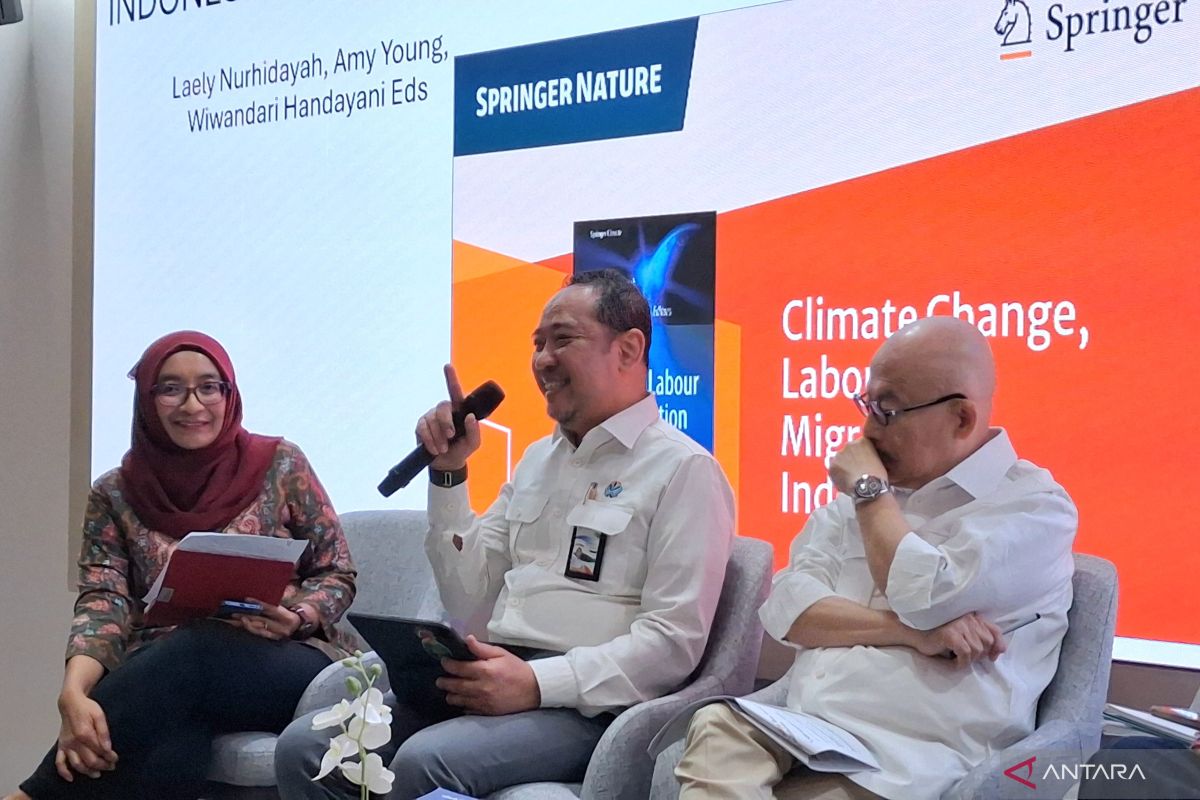
Adaptation underway so far has not addressed the issue of population displacement caused by the climate crisis or the right of displacement. To address this, local governments can prepare adaptation action plans based on vulnerability data so that areas prone to risk are no longer used as settlements. Jakarta – The Ministry of Environment and Forestry (KLH) says climate change adaptation must be undertaken earlier in areas affected by rising sea levels and land subsidence. Director of Climate Change Adaptation in the Directorate for Climate Change Control and Carbon Economic Value Governance, KLH, Franky Zamzani, said adaptation can be implemented through the construction of breakwaters and mangrove rehabilitation. “Adaptation underway so far has not addressed the issue of population displacement caused by the climate crisis or the right of displacement. To address this, local governments can prepare adaptation action plans based on vulnerability data so that vulnerable areas are no longer used as settlements,” he said during a discussion and launch of the book “Climate Change, Labour and Migration in Indonesia” in Jakarta, on Tuesday. Franky noted the government has the Sistem Informasi Data Indeks Kerentanan (SIDIK) down to village level to map areas vulnerable to sea-level rise, drought, and heat stress. He emphasised local governments can begin to regulate land use and mitigation steps before the impacts of climate change worsen. Examples of community adaptation actions include urban farming, civil fisheries, the use of natural mangrove dyes for batik, and waste management. “The Climate Village Program (ProKlim) can be a platform for community-based initiatives, such as hydroponics and waste management. The ProKlim award could strengthen communities’ bargaining position to obtain support from corporate social responsibility (CSR) of companies,” he said.