
KLH: Resolving Waste Issues is Key to Achieving Climate Justice
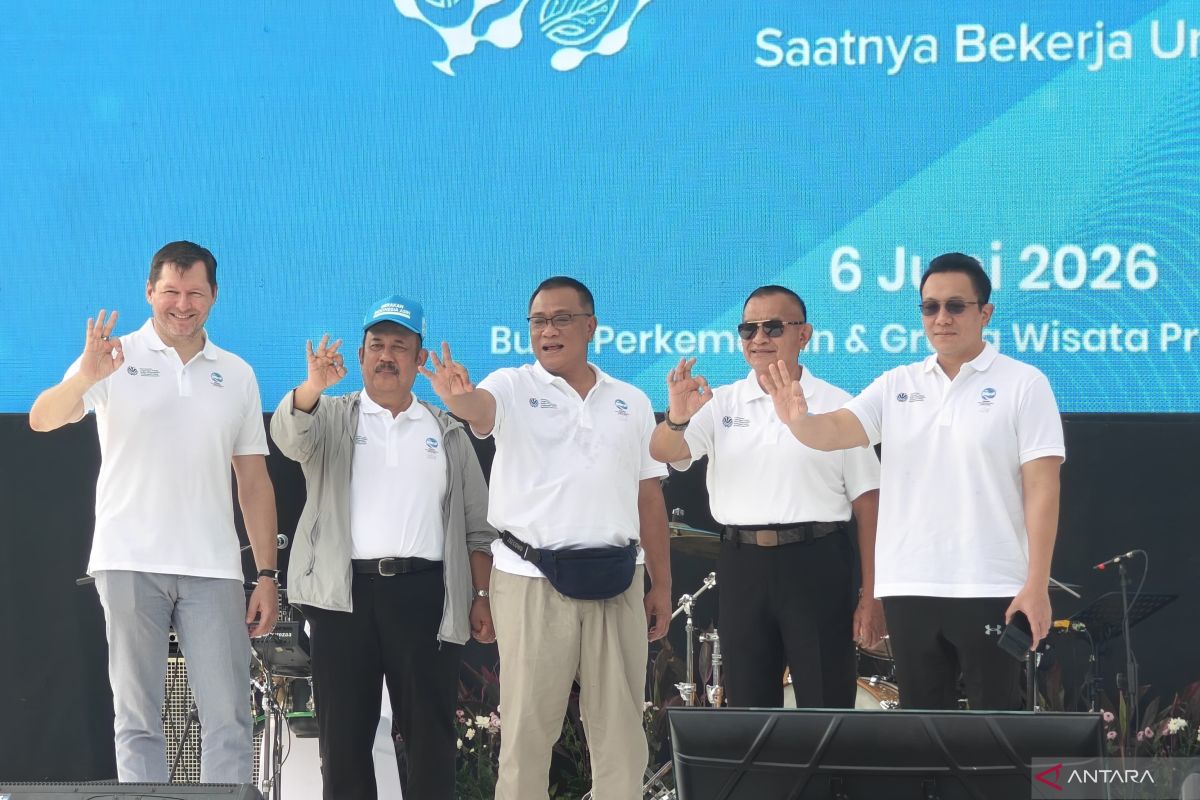
The Ministry of Environment (KLH)/Environmental Management Agency (BPLH) has asserted that a comprehensive resolution to the national waste crisis is the primary key to realising climate justice in Indonesia. Minister of Environment/Head of BPLH, Jumhur Hidayat, stated that poor waste management contributes directly to global warming through the release of methane emissions, which destabilise ecological and social stability.
“We must ensure that the movement to resolve the waste problem is completed as thoroughly as possible,” said Minister Jumud Hidayat during the World Environment Day summit, titled “Gerakan Indonesia Asri: Time to Work for Climate Justice,” held in Cibubur, Jakarta. Hidayat revealed that Indonesia currently produces up to 51 million tonnes of waste annually, yet 74 per cent of this is not optimally managed, with the majority accumulating in landfills using open dumping methods.
This unsegregated waste cycle triggers an environmental emergency, as it releases methane gas, which is 30 times more destructive than carbon dioxide (CO2), thereby exacerbating hydrometeorological disasters in coastal regions inhabited by 60 per cent of the population. To address this, the government, through the KLH, is preparing two legal options for a new regulatory umbrella: drafting a standalone law or integrating it as a new chapter into Law Number 32 of 2009 concerning Environmental Protection and Management.
Through the proposed Climate Justice Bill, the government also intends to restructure carbon trading regulations to prevent monopolies by speculators, ensuring that the largest share of economic benefits and profits goes towards empowering local communities. “The government’s message regarding changes in how we treat the climate, including carbon trading, is to ensure that carbon trading does not become an adventure for traders. Instead, it must be a vital part of empowering the community. If there is a forest area or mangroves where a community resides, and carbon is traded, I expect that the community will be the primary recipient of the benefits from this carbon trading process,” Hidayat added.
This cross-sector synergy was further strengthened by the presence of various regional heads, including the Mayors of Tangerang, Bekasi, Bogor, North Jakarta, and South Jakarta, who committed to expanding green zones. To optimise programme distribution at the local level, the Minister and cabinet members held a teleconference with six governors and the Head of the IKN Authority, alongside the distribution of waste sorting facilities and a symbolic tree-planting ceremony aimed at a national target of two billion trees. This environmental recovery orchestration will be complemented by the International Environment Technology and Innovation Expo and Conference, scheduled for 11–13 June 2026 in Jakarta, to facilitate the transfer of green technology and stimulate emission targets towards Indonesia Emas 2045.