
KLH Clarifies: Closure Targets Open Dumping Practices, Not Landfills
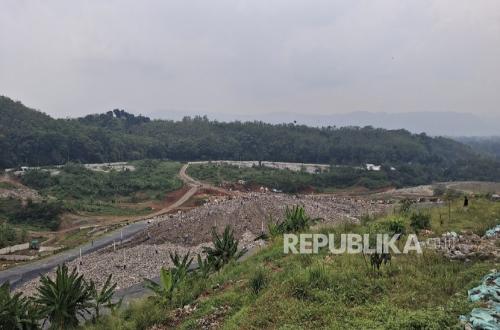
The Ministry of Environment has emphasised that ending open dumping practices at final processing sites is a crucial step towards accelerating the resolution of the national waste problem. However, the policy does not mean shutting down all landfills, but rather ending a waste management system that has long been deemed to cause various environmental impacts. Acting Deputy for Waste, Toxic, and Hazardous Materials Management Laksmi Widyajayanti stated that the government is currently focused on stopping the open dumping practices still applied in several regions. She clarified that the landfill closures referred to are specifically for open dumping sites. ‘For areas with limited land, upstream waste processing must inevitably be pursued,’ Laksmi said during a press conference on priority programme updates and sustainable environmental empowerment on Wednesday. Laksmi explained that a number of landfills in Indonesia are facing pressure due to limited land and the high volume of waste arriving daily. One area of concern is the Suwung Landfill in Bali, which has been the main disposal site for waste from Denpasar and its surroundings. According to Laksmi, waste reduction at the source is beginning to show positive results. Based on the ministry’s monitoring, the implementation of waste sorting since January in the Suwung Landfill service area has succeeded in significantly reducing incoming waste volumes. ‘The volume of incoming waste has decreased considerably after the public began sorting at the source. We continue to encourage upstream processing,’ she said. She noted that the President has called for an acceleration of the national waste resolution target from 2029 to 2028, prompting the government to prepare more massive and integrated measures involving central and regional governments, the private sector, and the public. Laksmi assessed that waste management cannot rely solely on landfills. A more effective approach must start upstream through waste sorting and the implementation of a circular economy so that waste acquires economic value whilst simultaneously reducing the environmental burden.