
KLH and Unhas Collaborate on Science-Based Climate Resilience
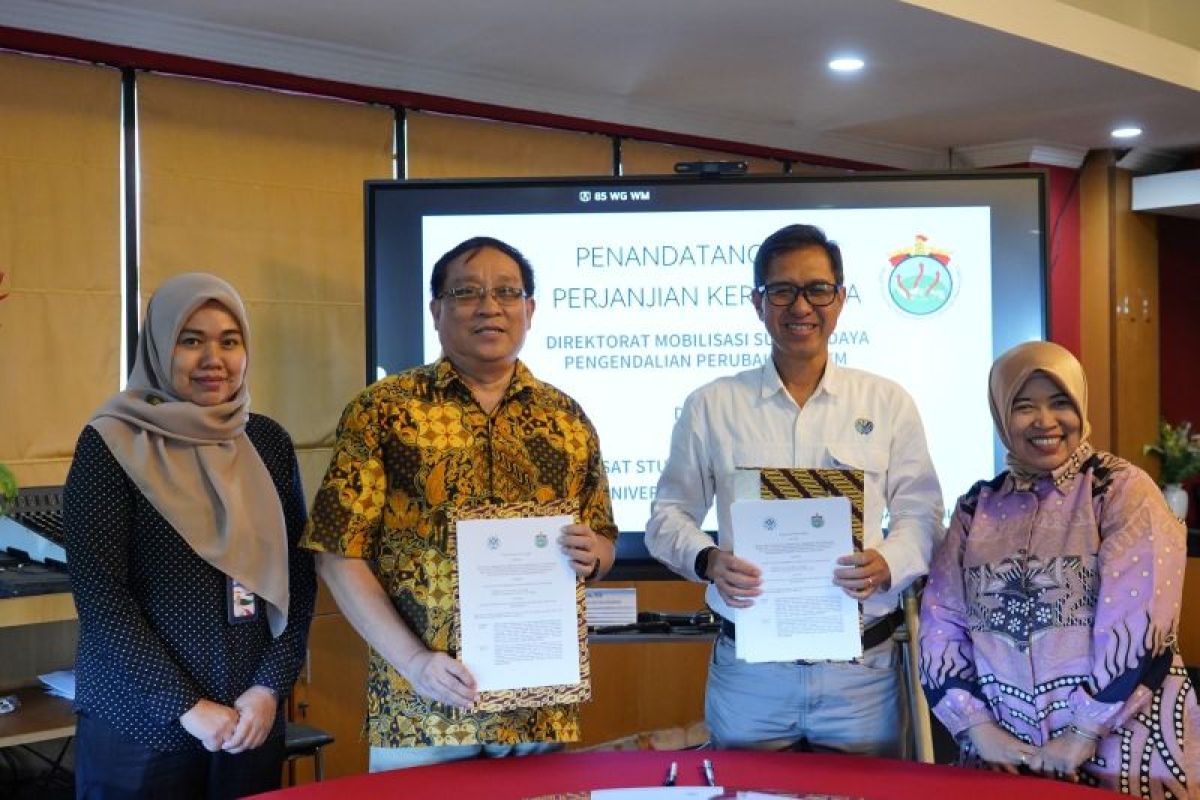
Makassar (ANTARA) - The Ministry of Environment and Forestry (KLH) and Hasanuddin University (Unhas) are collaborating to build science-based climate resilience.
Rijal M Idrus PhD, Head of the Unhas Centre for Climate Change Studies, in Makassar, South Sulawesi, on Friday, stated that one of the main focuses of this collaboration is strengthening evidence-based climate change education accessible to the wider public.
In addition, capacity building programmes form a crucial component of this partnership, targeting various stakeholders at the local level.
These efforts, he said, include training, mentoring, and enhancing competencies in implementing climate actions.
“Integrating programmes into the Thematic Real Work Lecture (KKN) scheme is also a key strategy to expand the reach of interventions. Students are expected to act as agents of change capable of implementing science-based solutions in communities,” he stated.
According to him, the availability of integrated data is essential for designing responsive and realistic policies.
He mentioned support for research activities as an important part in strengthening the scientific foundation of every programme undertaken.
Research is expected to produce innovations relevant to the needs of climate change mitigation and adaptation in Indonesia.
“Mentoring the implementation of climate change mitigation and adaptation actions at the local level can be carried out jointly, including sustainable waste management, which is hoped to deliver tangible impacts and serve as a replicable model in other regions,” he said.
A science-based approach ensures that every policy and action is grounded in data. With support from climate modelling, meteorological data, and empirical research, the government can accurately map risks and design effective adaptation measures.