
Klaten Steps Up Outreach for 13-Year Compulsory Education Programme
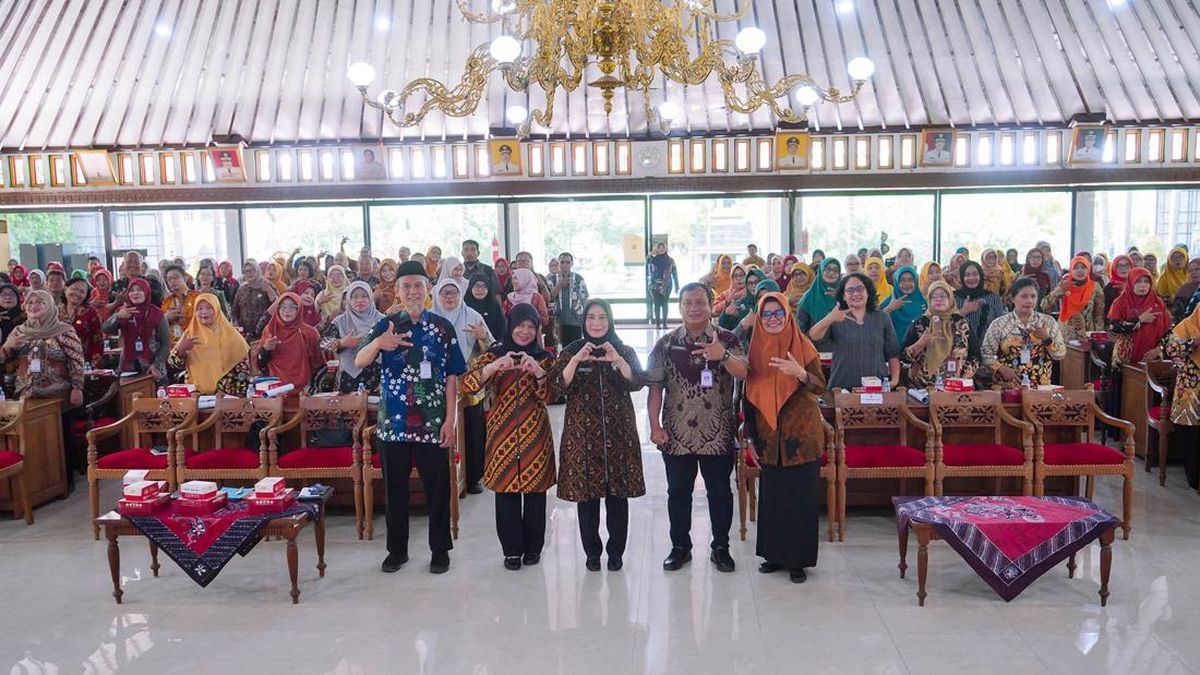
The Klaten Regency Government in Central Java, through its Education Agency, is promoting wider access to early childhood education (PAUD) as part of efforts to make the 13-Year Compulsory Education Programme a success.
The effort was reinforced through an outreach event on implementing the programme, held at Klaten Regency Hall on Friday (23 October). The event aimed to increase public understanding of and participation in supporting the programme.
Participants included regional education coordinators, the Primary School Principals’ Working Group (K3S), village heads’ associations, the Indonesian Kindergarten Teachers Association (IGTKI), the Indonesian Association of Early Childhood Educators and Education Personnel (Himpaudi), and village-level PAUD ambassadors across Klaten Regency.
Klaten Education Agency head Agus Setyawan Prasetyoko said the 13-Year Compulsory Education Programme is based on Government Regulation No. 4 of 2022 on National Education Standards and the 2025–2029 National Medium-Term Development Plan (RPJMN).
Under the policy, the 13-year programme is a national priority, including through the strengthening of one year of pre-primary education before children enter primary school.
“Collaboration among all stakeholders is expected to widen access to PAUD services while improving the quality of early childhood education in Klaten Regency,” Agus said in an official statement quoted on Sunday (25 October).
According to data from the Klaten Education Agency, there are currently 1,407 PAUD units in the regency. Of an estimated target of more than 35,000 children in 2026, 30,990 are already receiving education services, while a further 4,369 have yet to be reached.
The figures have prompted the local government to focus on expanding pre-primary education so that more children can access learning from an early age.
Marwati Edy Sasongko, representing the Klaten Regency Family Welfare Movement (TP PKK), said in her address that early childhood education is an important foundation for nurturing a healthy, intelligent, well-rounded, independent and virtuous generation.
She said early childhood is a crucial period for children’s growth and development, including their thinking, language and social skills, as well as character formation.
“Through PAUD, children are not only prepared to learn letters and numbers, but also to develop independence, communication skills, healthy habits, mutual respect and readiness to learn in line with their stage of development,” she said.