
KKP to Develop Fish Farming at 76 Sites in Yogyakarta
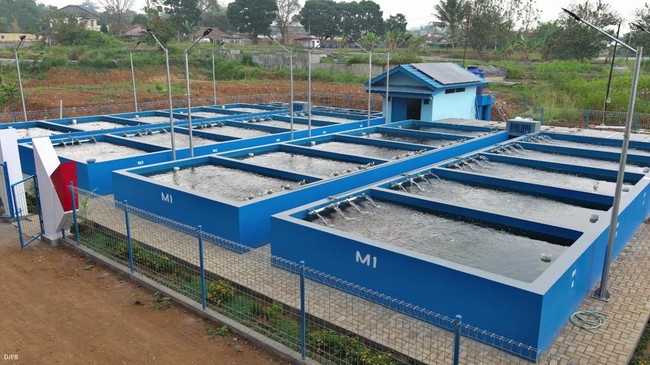
Jakarta, CNBC Indonesia — The Ministry of Marine Affairs and Fisheries (KKP) will run a thematic fish-farming programme at 76 sites in the Special Region of Yogyakarta (DIY). The programme aims to create business opportunities for village communities while strengthening food security based on fish protein.
Marine Affairs and Fisheries Minister Sakti Wahyu Trenggono said the thematic fish-farming programme is part of the National Priority Work Programme (PKPN), which aims to reach 40,000 locations by 2029.
“The 76 sites are spread across Bantul, Gunungkidul, Kulon Progo and Sleman regencies. Preparation is prioritising the suitability of each site and completion of the administrative requirements for land use before construction begins,” Trenggono said in an official statement in Jakarta on Friday (30 October).
To implement the programme, KKP has held outreach sessions with Commission IV of the House of Representatives and local governments. The effort is intended to strengthen preparations for the land, operators and marketing, so that the assistance can develop into a sustainable, productive business.
The programme will include facility construction, operator training, the provision of fingerlings and feed, and support during the initial operating phase. KKP fisheries extension officers will also assist operators in strengthening their technical skills and business management, helping ensure production can continue independently.
“We will provide support through one operating cycle. After that, the hope is that they will be able to operate independently,” said Tb Haeru Rahayu, director-general of aquaculture.
Land readiness is also a key focus of the outreach. Tebe said selected sites must have clear land status, be free from disputes and meet the programme’s requirements. Technical suitability, access to the sites and electricity availability must also be confirmed to ensure the fish-farming operations can run properly.
Adi Bayu Kristanto, head of DIY’s Land and Spatial Planning Office, said his agency was ready to help expedite administrative arrangements for the use of village-owned land for the programme. It will coordinate with village authorities to prepare meeting records and supporting documents as a basis for further permitting in DIY. This is expected to allow construction of the thematic fish-farming facilities to proceed soon.
Meanwhile, Heri Sulistio Hermawan, head of DIY’s Marine Affairs and Fisheries Office, welcomed the programme’s recirculating system. The system treats and reuses water, making it suitable for DIY given its limited land and water resources.
Ernawati Kusumaningsih, representing Trirenggo village in Bantul district, also welcomed the support, saying the programme could create employment opportunities. She said improving people’s welfare required creating business opportunities that would enable residents to earn an income.