
KKP to Build 40,000 Thematic Inland Fish Farming Sites to Strengthen Indonesia's Economy
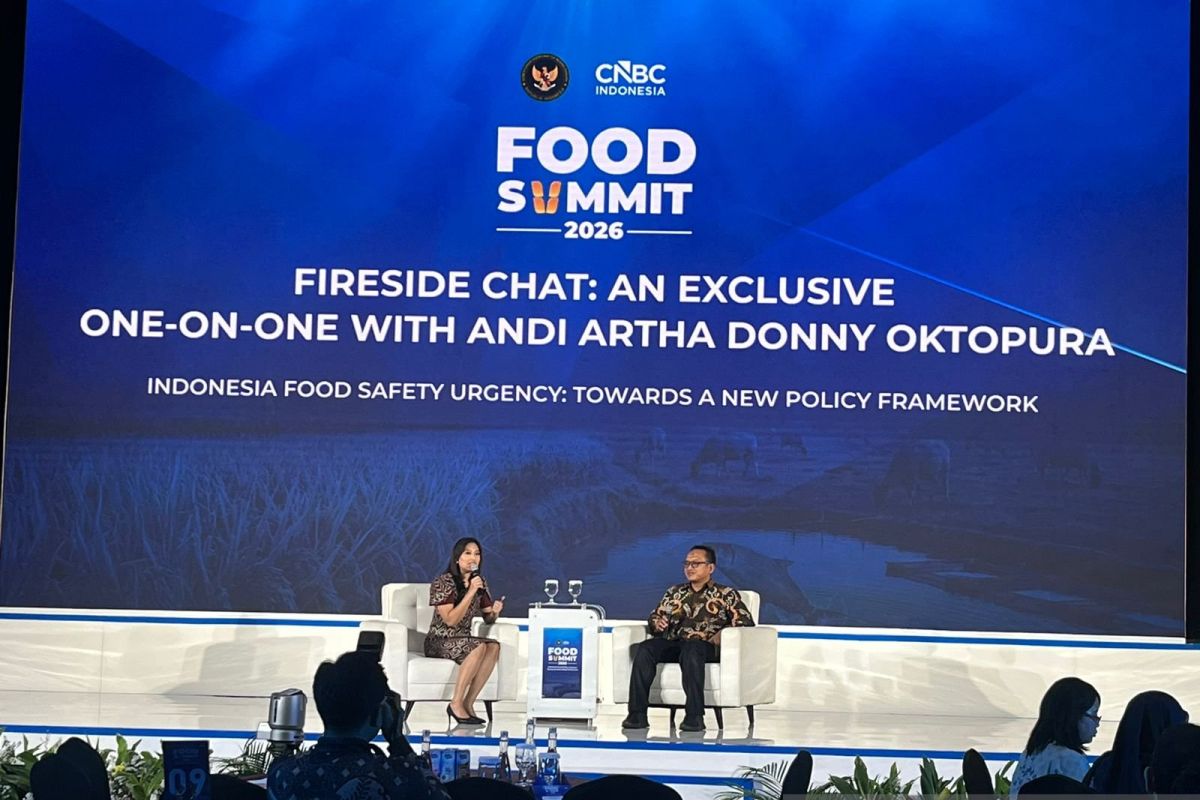
Jakarta (ANTARA) - The Ministry of Marine Affairs and Fisheries (KKP) plans to develop thematic inland fish farming in 40,000 locations spread across 500 districts/cities as a strategy to strengthen food security and stimulate the national economy.
Acting Director General of KKP, Andy Artha Donny Oktopura, stated in Jakarta on Monday that this programme is designed not only to increase production but also to form an integrated industrial ecosystem from upstream to downstream, including the feed and hatchery sectors.
According to Andy, the thematic approach allows for area development tailored to regional characteristics and environmental carrying capacity, making it more sustainable.
“In this thematic aquaculture development concept, we are not only talking about increasing production, but also about how to improve the production system from upstream to downstream,” he explained.
The programme also aims to support the Free Nutritious Meals (MBG) initiative and is integrated with community empowerment through strengthening Red and White Village/Urban Ward Cooperatives (KDMP) and involving business actors, thereby creating a new economic ecosystem in the marine and fisheries sector.
On the other hand, KKP continues to strengthen the food quality and safety assurance system, both for the domestic market and exports. According to him, this is done through harmonisation of standards with international provisions and strengthening field surveillance systems.
In addition, he explained that the continuously increasing food needs demand policy transformation, including the optimisation of marine and fisheries resources.
In its implementation, KKP promotes the blue economy roadmap translated into several main policy directions. One of them is the development of sustainable fisheries aquaculture, which is the focus in strengthening national food production.
KKP notes that Indonesia has a fisheries aquaculture potential of around 17.9 million hectares. However, the utilisation rate is still below 10 per cent, so this condition is seen as a great opportunity to increase production through the aquaculture subsector.
“This becomes our future challenge on how we can optimise the resource potential we have,” he said.
He also conveyed that Indonesia’s fisheries export performance shows a positive trend, with an export value reaching $6.2 billion last year, with an annual growth of around 5.2 per cent.
To maintain that quality, KKP is building an integrated quality assurance system from upstream to downstream, including production certification, processing, to distribution.
In addition, sea area surveillance is also an important part in maintaining fisheries product quality. KKP encourages control of activities that have the potential to damage the environment, including handling plastic waste that can impact fish quality and food safety.
Source: jawawa.id (https://jawawa.id/newsitem/kkp-to-build-40-000-thematic-inland-fish-farming-sites-to-strengthen-indonesias-economy-1777283496)
Originally published by Antara (Indonesian) (https://www.antaranews.com/berita/5544039/kkp-bakal-bangun-40-ribu-budidaya-ikan-tematik-perkuat-ekonomi-ri), translated from Indonesian