
KKP provides 16 Halal Clinics to support Mandatory Halal certification in October 2026
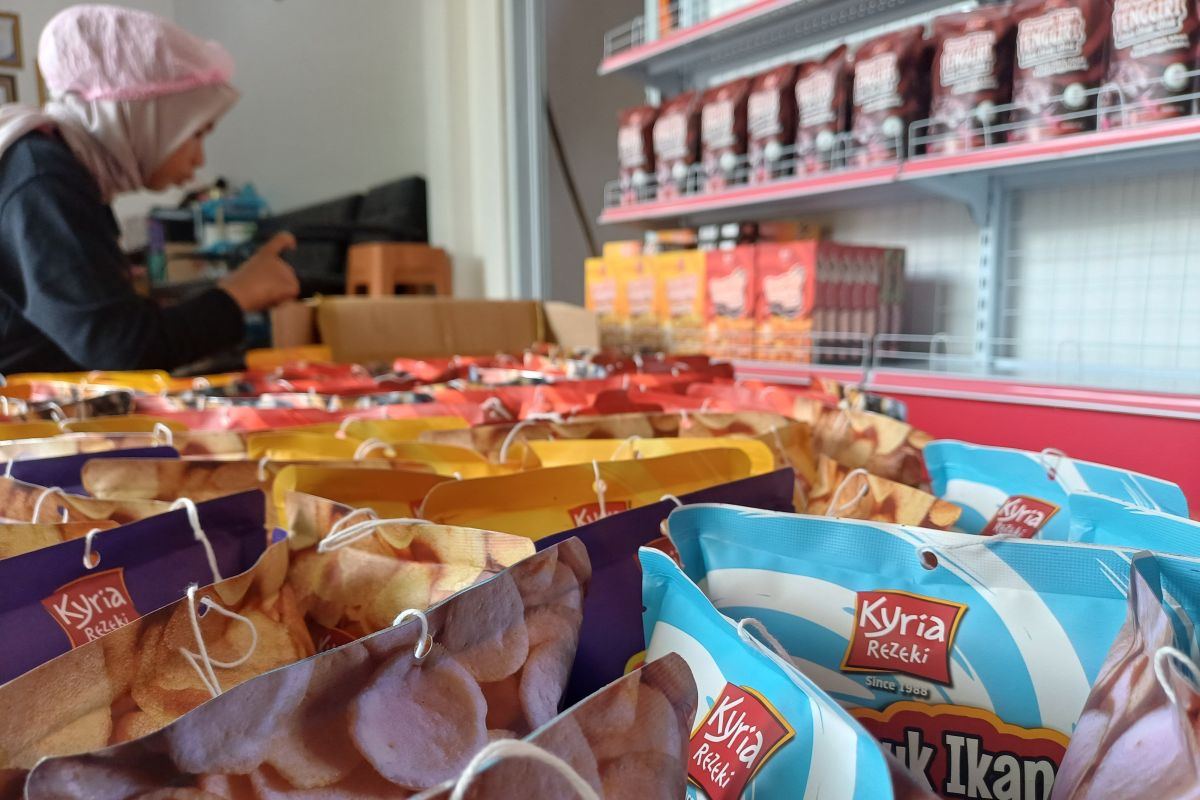
The Ministry of Marine Affairs and Fisheries (KKP) has provided 16 Halal Clinics in eastern Indonesia to help business operators meet halal certification obligations that come into force in October 2026.
Head of the Marine and Fisheries Human Resources Development and Extension Agency (BPPSDM KP), I Nyoman Radiarta, said the Halal Clinics offer services ranging from consultation and document preparation to the halal certification registration process for business operators.
“We want to ensure that processed fishery products are not only halal, but also bankable and highly competitive, so they can penetrate modern retail markets as well as export markets,” Nyoman said in a statement in Jakarta on Wednesday.
The 16 Halal Clinics were symbolically launched through the Ambon Fisheries Training and Extension Centre (BPPP) on 21 August 2026.
According to Nyoman, the presence of the Halal Clinics is a strategic step to make it easier for micro, small and medium enterprises (MSMEs) as well as Processing and Marketing Groups (Poklahsar) in the downstream sector to comply with halal certification requirements.
The programme is reinforced by the appointment of 84 marine and fisheries extension officers as Halal Product Assistants (PPH).
Nyoman said the assistants will provide halal certification support services in seven eastern Indonesian provinces, namely Maluku, North Maluku, Papua, West Papua, Southwest Papua, South Papua and Central Papua.
In the initial phase, Nyoman said halal certification assistance and registration will be provided to 300 MSMEs spread across 16 districts and cities in eastern Indonesia.
The KKP is cooperating with the Halal Product Assurance Organising Agency (BPJPH), including the BPJPH Maluku office, in implementing the programme.
According to Nyoman, business operators can also take advantage of the Free Halal Certification (SEHATI) programme.
Nyoman said strengthening the halal ecosystem is not only aimed at meeting regulatory requirements, but is also part of efforts to encourage downstream processing and increase the added value of marine and fishery products.
“We hope that the extension officers who have been appointed as Halal Product Assistants can become drivers in the field, directly assisting MSME operators and ensuring that more marine and fishery products in eastern Indonesia have halal certainty and can increase their economic value,” he said.
He added that the presence of the Halal Clinics is expected to strengthen the competitiveness of processed marine and fishery products, including expanding access to modern retail markets and export markets.