
KKP Develops Thematic Fish Farming to Supply Free Nutritious Meal Programme
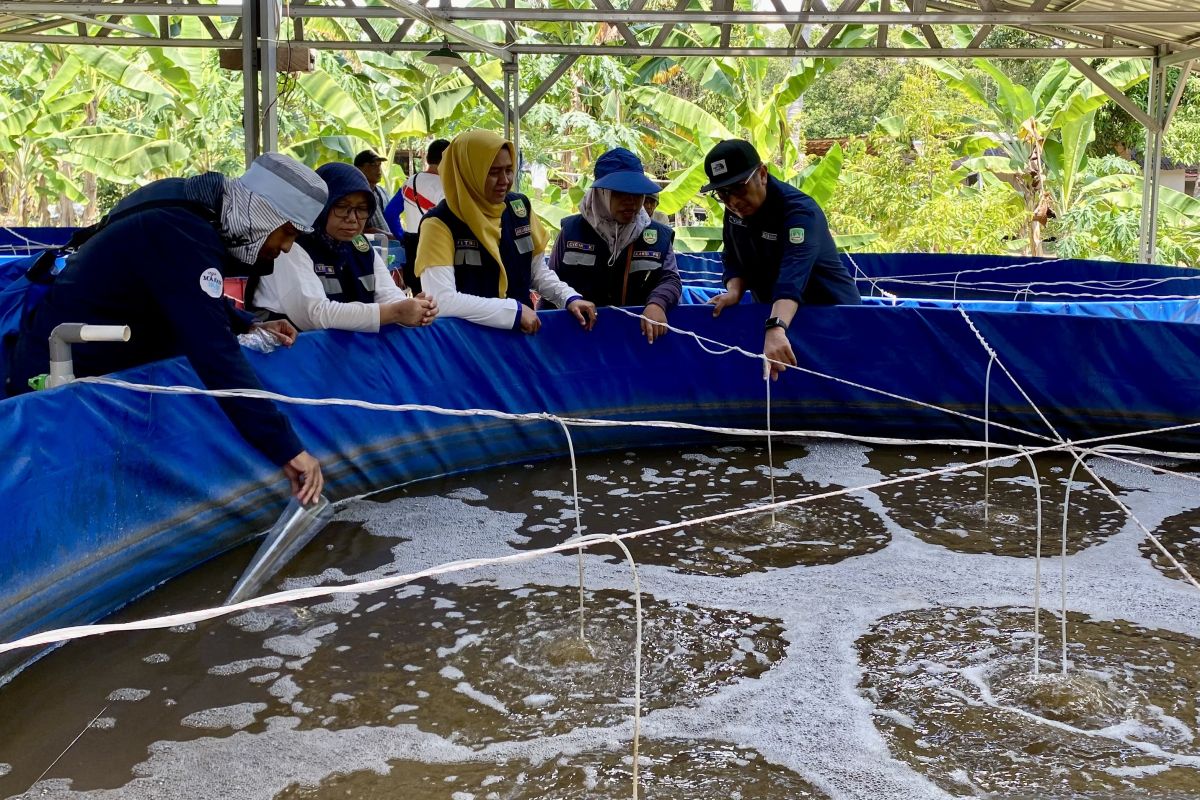
The Ministry of Marine Affairs and Fisheries (KKP) is continuing to develop a thematic fish farming programme as an effort to strengthen the protein supply for the Free Nutritious Meal (MBG) programme while increasing aquaculture production and the community’s economy. Minister of Marine Affairs and Fisheries Sakti Wahyu Trenggono stated that the programme is designed to integrate aquaculture development with the village economic ecosystem, creating business certainty for fish farmers and expanding market access. “Through institutional strengthening and partnerships, aquaculture production gains market certainty while supporting the provision of nutritious food for the community,” Trenggono said in a press release in Jakarta on Monday. As part of the programme, the KKP is developing catfish farming using biofloc technology in Blora Regency, Central Java. A total of 24 biofloc ponds, each with a diameter of four metres, have been built to support more efficient and sustainable catfish production. He explained that production from this area is projected to supply protein for four Nutritional Fulfilment Service Units (SPPG), namely SPPG Kamolan, Banjarejo, Mojowetan, and Gempolrejo. Trenggono noted that the connection between the farming area and the SPPGs is expected to provide market certainty for farmers while strengthening the supply chain of nutritious food to support the implementation of the MBG programme. He added that the thematic fish farming programme is also expected to increase the added value of the aquaculture sector, boost community incomes, and support the national food self-sufficiency target. “This farming model is expected to be replicated in various regions by adapting to the potential of each area’s leading commodities, so that the economic and social benefits can be felt more widely by the community,” he said. The thematic fish farming programme is part of the KKP’s strategy to develop productive, efficient, and sustainable area-based aquaculture through the integration of production, marketing, and the utilisation of farming outputs to support national food security.