
KKHI Madinah Intensifies Tanazul Programme to Ensure Pilgrims are Fit to Fly
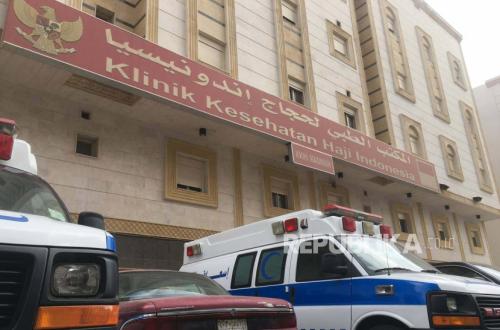
Entering the second phase of Hajj operations, the Indonesian Hajj Health Office (KKHI) in Madinah is now focusing its services on the tanazul programme for sick pilgrims. Tanazul is a repatriation procedure for pilgrims not travelling with their original flight group (kloter), either being sent home earlier or later, as part of the government’s effort to provide maximum protection.
Head of KKHI Madinah, Dr Enny Nuryanti, explained that this programme is carried out very selectively to ensure all pilgrims are in prime condition before undertaking the long air journey. ‘We conduct many late tanazul because this is the government’s effort to protect pilgrims. We must ensure the pilgrim is fit to fly, to guarantee they are safe until they arrive in the homeland,’ said Dr Enny in Madinah.
According to Dr Enny, an air journey of approximately nine hours at an altitude above 3,000 feet carries its own risks for patients. ‘An aeroplane is also not an emergency room, so they must be confirmed fit to fly. Safe and secure to fly. Sometimes pilgrims are already missing their families and want to go home immediately, but if their condition is not yet possible, we stabilise them first in Saudi Arabia until they truly meet the requirements,’ she said.
The established fit to fly criteria include oxygen saturation above 92 percent, the absence of severe pain, and the pilgrim’s ability to sit or lie down during the flight. If a pilgrim requires special facilities such as oxygen or a bed, KKHI will prepare them with a minimum request of D-7 before departure.
‘In total, during the second phase period in Madinah, we have handled 51 pilgrims, consisting of 41 tanazul pilgrims and 10 evacuation pilgrims who still flew with their flight group but were escorted by us using an ambulance to the airport,’ said Dr Enny.
The tanazul procedure begins with a submission from the flight group’s Hajj Health Team (TKH) to KKHI regarding the condition of the sick pilgrim. After evaluating their medical needs, KKHI will coordinate with the Hajj Organising Committee (PPIH) at the airport for the handover of medical documents so that the continuation of the pilgrim’s handling remains monitored by the flight group’s TKH until arrival in Indonesia. On average, since 16 June, there have been about five to seven patients per day processed for repatriation through the tanazul mechanism.
Ahead of the end of Hajj operations on 30 June, Dr Enny confirmed that her party will make every effort to complete the handling of sick pilgrims. ‘We will strive for everything to be completed by that date. If after that date there are still pilgrims who are not yet possible to fly, then the handling of the pilgrims will be transferred and managed directly by the Office of Hajj Affairs (KUH),’ she said.