
KJP, Social Assistance, and Questionable Decile Rankings
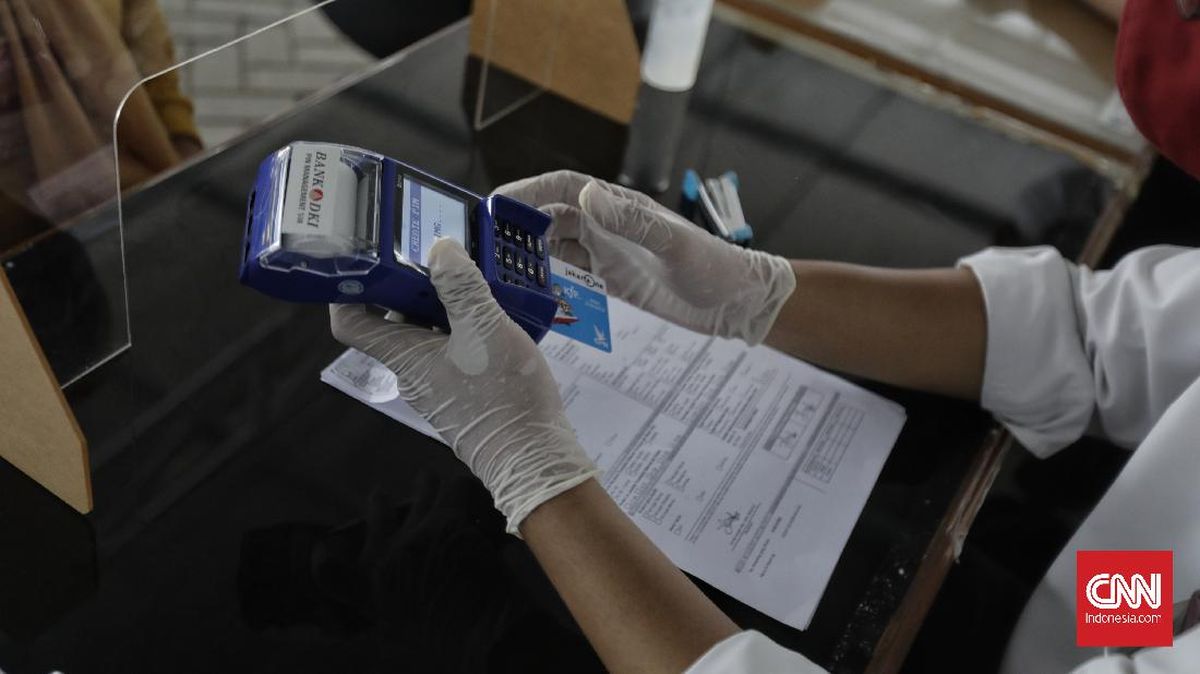
Lia was shocked when submitting her child’s Jakarta Smart Card (KJP) renewal documents to school last Monday. She was informed by the school that her child no longer meets the requirements to receive the KJP. The KJP is a strategic programme by the Jakarta Provincial Government designed to provide access to education for school-aged residents aged 6-21 from low-income families, covering approximately 707,520 students this year.
Lia’s family is now recorded as being in decile 6, a welfare category that disqualifies them from receiving assistance. The decile system is a ranking of household welfare used by the government based on the National Socio-Economic Single Data (DTSEN), where lower decile numbers represent lower levels of prosperity. Deciles 6 through 10 represent groups deemed to have better economic standing.
“I used the KJP for my child’s schooling, but it was rejected because the decile is now 6,” Lia told CNNIndonesia.com on Thursday. For Lia, the decision is difficult to comprehend as her family’s circumstances have not changed; they still live in a rented house in South Jakarta, and she relies solely on her husband’s income to support three school-aged children. While she was advised to apply for a decile reduction via the Cek Bansos application, the process is reportedly time-consuming, potentially leaving her child without essential educational support for months.
In North Jakarta, Nurlela, a woman over 50, faces a similar predicament. Despite living in precarious conditions, working irregular jobs, and struggling with health issues, she is also categorised in decile 6. She noted that some residents she perceives to be wealthier continue to receive social assistance, and she hopes for more accurate field-based data collection.
Oman Rohman, a member of the Jakarta Regional House of Representatives (DPRD) from the PAN Faction, stated that changes in decile rankings are among the most frequent complaints received during recent recess periods. He noted that the transition from the DTKS to the DTSEN system has caused many residents to abruptly lose access to social aid and the KJP. Rohman emphasised that while the DTSEN ranking system may have good intentions, it is problematic when residents’ economic conditions remain unchanged yet their decile suddenly rises.
Rohman has called on the Jakarta Provincial Government to coordinate more intensively with the Ministry of Social Affairs to expedite the dispute process for residents. Furthermore, he expressed support for the idea of decoupling the KJP programme from decile status, arguing that education is a fundamental right for every child and that Jakarta should have its own independent policy regarding the programme.