
KIP Kuliah Budget Increased, UPI Commits to Improving Academic Service Quality
The government, through the Ministry of Higher Education, Science, and Technology (Kemdiktisaintek), has increased the budget for the KIP Kuliah program to Rp15.32 trillion in the 2026 fiscal year, targeting over 1.04 million students across Indonesia. This figure represents a significant increase compared to Rp6.5 trillion in 2020 and Rp14.9 trillion in 2025. This budget increase is part of the commitment to expand access to higher education for students from less affluent families.
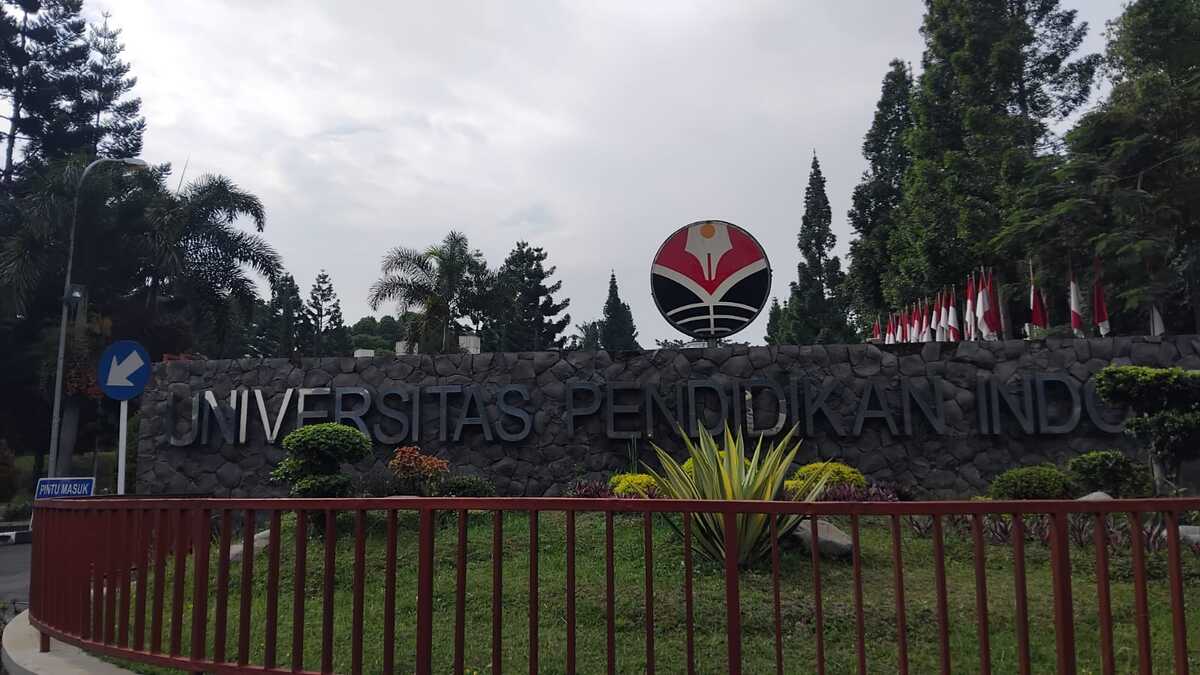
In response to this policy, Universitas Pendidikan Indonesia (UPI) has stated its commitment not only to ensure continued access to education but also to improve the quality of academic services and student support for KIP Kuliah recipients. UPI ensures that KIP Kuliah recipients receive tuition waivers and living allowances as stipulated. In addition, the university is strengthening academic support to ensure students graduate on time.
“In line with the DTSEN-based policy, UPI is adjusting the verification and validation mechanisms for recipients to ensure that assistance is more targeted, especially for students who qualify through the SNBP and SNBT pathways,” said the Head of the Student Welfare and Services Division, Saripudin, on Thursday (February 26).
According to Saripudin, KIP Kuliah recipients at UPI are spread across various faculties and study programs, ranging from education, science, technology, social-humanities, arts, to sports. Their presence enriches the academic dynamics while strengthening UPI’s commitment to inclusive and equitable higher education.
“UPI is optimistic that the increased KIP Kuliah budget, data-based distribution system, and strengthened campus services will further encourage the emergence of excellent and globally competitive graduates,” he said.
Minister of Kemdiktisaintek, Brian Yuliarto, stated that KIP Kuliah is a strategic instrument for equalizing educational opportunities and a bridge of hope for talented students with limited economic resources. The government ensures that living allowances are the full right of students and that no fees should be charged in any form. Since 2025, the distribution of KIP Kuliah has been based on data and national selection results.
“Priority is given to students who hold KIP SMA/equivalent or are registered in the DTKS and the National Socio-Economic Data (DTSEN) in deciles 1-4 who graduate through the National Selection Based on Achievement (SNBP) or National Selection Based on Test (SNBT) pathways,” he explained.
This scheme, Brian continued, is designed to improve targeting and ensure that assistance reaches students who truly need it. The government also emphasizes that changes in the number of recipients at certain universities are a consequence of the data-based distribution system and selection results, not a reduction in the national budget. (E-2)