
Kintamani Farmers Turn Coffee Waste into Animal Feed, Adopting Zero Waste Concept
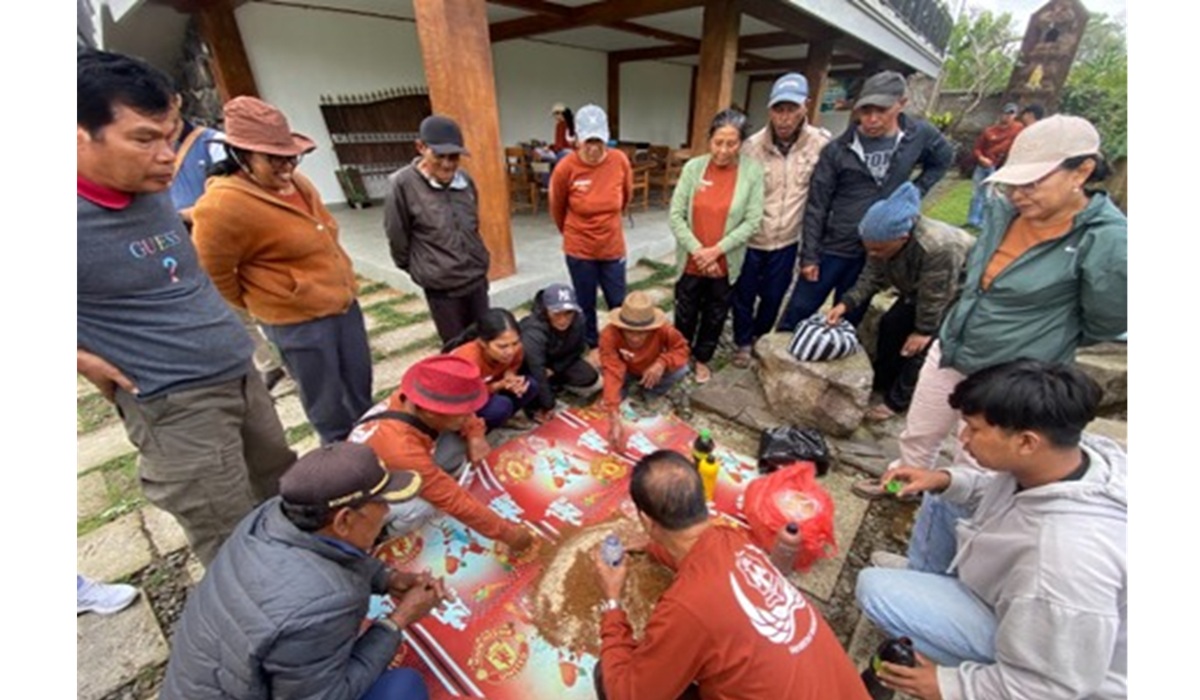
A group of Arabica coffee processors and farmers in Belantih Village, Kintamani District, Bangli Regency, Bali, have begun adopting zero waste and circular economy concepts in their post-harvest activities. Coffee pulp waste, which previously had no value and was often discarded, is now being productively processed into animal feed and organic fertiliser.
This transformation was initiated through a training and field assistance programme led by the Dean of the Faculty of Agriculture, Science, and Technology at Warmadewa University, Prof. Dr. Ir. Luh Suriati, M.Si., who serves as the head of the community service team. She explained that utilising coffee processing by-products serves a dual purpose: providing new economic value for farmers while preserving the environment in the Kintamani agricultural area.
“Research downstreaming is expected not to stop at knowledge transfer, but to be applied sustainably to improve product quality, optimise waste utilisation, and create new sources of added value for farmers,” Suriati stated during the mentoring activities.
In addition to waste processing, the team introduced a coating application innovation. This technology is specifically designed to maintain the stability and quality of coffee beans during storage, ensuring the product’s competitiveness in the market. Farmers were also provided with an in-depth understanding of global operational standards to ensure their products meet high food safety requirements.
Through a Focus Group Discussion, the team and farmers identified various real challenges in post-harvest processing. Prof. Suriati emphasised that this innovation positions farmers as the main subjects of empowerment to support the sustainability of the Kintamani Arabica coffee commodity. “This programme is a tangible form of synergy between research, technological innovation, and community empowerment,” she asserted.
The activity was made possible thanks to funding support from the Ministry of Higher Education, Science, and Technology through the SINERGI Research Downstreaming Programme. The community service team expressed appreciation for the support, which enables university research results to be directly applied to improve the welfare of farming communities in Belantih Village and its surroundings.