
King Charles Will No Longer Live at Buckingham Palace, Here's Why
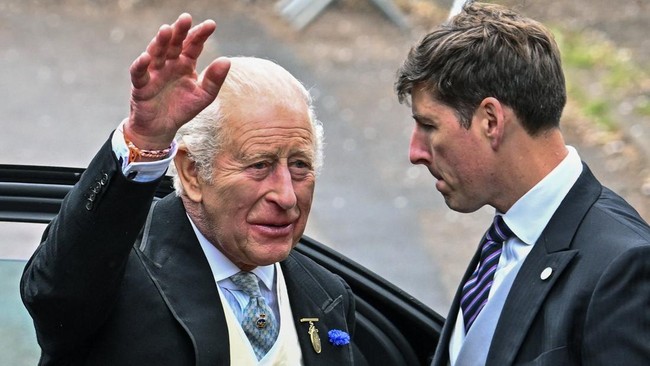
King Charles III will not make Buckingham Palace his primary residence even though a major £369 million renovation project is set to be completed next year. Instead of moving into the palace that symbolises the British monarchy, Charles has chosen to remain at Clarence House, his private London residence he has occupied for many years. The decision was announced by royal officials on Thursday, marking the end of a nearly two-century tradition of the British sovereign residing primarily at Buckingham Palace since the era of Queen Victoria in 1837.
Keeper of the Privy Purse James Chalmers stressed that Buckingham Palace will continue to function as the centre of official royal activities, including state ceremonies and hosting foreign dignitaries. “This palace will remain the headquarters of the monarchy, the crown jewel of our national buildings, with the sovereign’s standard flying proudly from the roof whenever His Majesty is in London,” Chalmers said. Since 2019, both Queen Elizabeth II and King Charles have not regularly stayed overnight at Buckingham Palace. However, Charles retains a private suite that can be used at any time while carrying out royal duties in London. After the renovation is complete, public access to Buckingham Palace will also be expanded. The historic building currently attracts around 700,000 visitors each year.
In the same briefing, the Royal Household disclosed for the first time the amount of tax paid by King Charles as part of efforts to increase the monarchy’s financial transparency. In the 2024/2025 fiscal year, Charles paid £12.9 million in tax, placing him among the top 100 taxpayers in Britain. This amount increased from £11.7 million the previous year, and since ascending the throne in 2022, his total tax payments have exceeded £30 million. Legally, the British monarch is not required to pay income tax, capital gains tax, or inheritance tax. However, following a tradition started by Queen Elizabeth II in 1993, Charles voluntarily pays tax. His main source of private income comes from the Duchy of Lancaster, a royal asset that generated approximately £25.2 million in the 2025/2026 fiscal year, along with income from various other investments and private holdings. The Royal Family also receives the Sovereign Grant from the British government to fund official operations, including staff salaries, palace maintenance, and official travel. The grant is estimated to reach £137.9 million in the 2026/2027 fiscal year, but Chalmers said the funds will be cut to £100 million from 2027/2028 at King Charles’s own request and maintained at that level until 2031/2032. “This is not a blank cheque,” Chalmers said, emphasising that various oversight mechanisms exist to ensure the use of public funds remains proportionate. Meanwhile, heir to the throne Prince William paid £7.76 million in tax in the 2024/2025 fiscal year. His office also revealed that William instructed £1.5 million in rental income from a decommissioned prison to be allocated to the local community. Despite this, both King Charles and Prince William still face criticism regarding the practice of collecting rent from a number of public institutions, including the military, health services, and schools situated on royal land.