
Kimia Farma and RSCM develop stem-cell services at Tarakan Regional Hospital
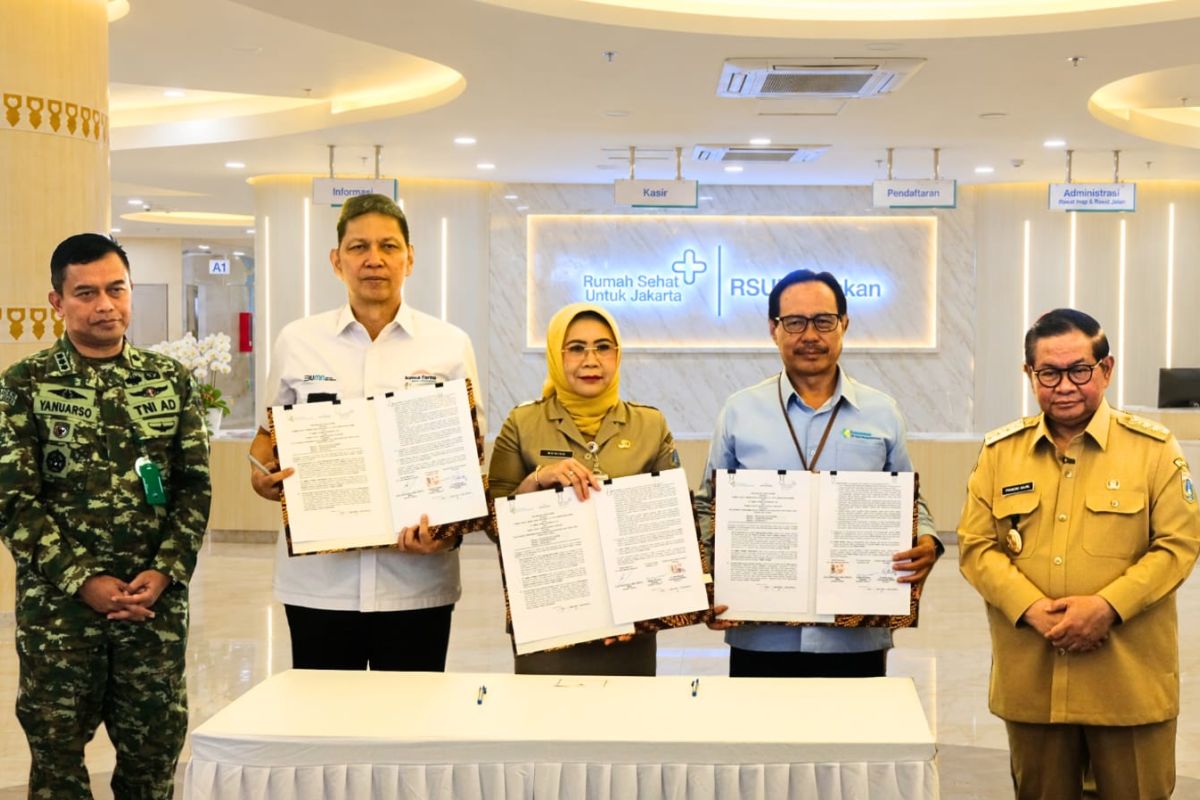
Jakarta (ANTARA) – PT Kimia Farma (Persero) Tbk and the Dr Cipto Mangunkusumo National Central General Hospital (RSCM) are developing stem-cell services at Tarakan Regional Hospital in Central Jakarta to expand the national regenerative medicine network.
The initiative forms part of a healthcare service improvement partnership involving the use of stem-cell technology and service-based research at Tarakan Regional Hospital.
“Stem-cell therapy and regenerative medicine are areas of healthcare innovation with significant potential to help improve the quality of medical services,” Kimia Farma president director Djagad Prakasa Dwialam said in a statement received in Jakarta on Friday.
Djagad said the collaboration reflected the company’s commitment to strengthening healthcare innovation and developing the national pharmaceutical industry’s capacity to produce regenerative medicine technology-based products.
Through its partnership with RSCM, Kimia Farma is supporting technology development and the provision of stem-cell products that meet quality and safety requirements and applicable regulations.
“Kimia Farma is committed to supporting technology development and the provision of stem-cell therapy products that meet the applicable quality and safety standards and regulatory requirements,” he said.
At Tarakan Regional Hospital, the stem-cell technology is being developed to support two specialist services: the Trauma & Burn Centre and the Stroke Centre.
At the Trauma & Burn Centre, the work is intended to examine the use of stem cells in treating injuries caused by accidents and burns.
At the Stroke Centre, the technology is being developed to research its potential to repair nerve tissue and improve patients’ quality of life after a stroke or other neurological disorders.
Both services are being developed through a combination of therapy and service-based research, drawing on the clinical, research and technological expertise of Kimia Farma and RSCM.
The partnership is expected to strengthen Tarakan Regional Hospital’s capacity and broaden access to developing regenerative medicine services for people in Jakarta and surrounding areas.
In technology development, Kimia Farma and RSCM have also collaborated on a stem-cell production facility as part of efforts to strengthen the domestic healthcare industry’s capabilities.
The facility received a Good Manufacturing Practices (GMP) certificate from the Indonesian Food and Drug Authority (BPOM) in 2024.
According to the company, BPOM also recognised the facility with an award in 2025 in acknowledgement of its development.
GMP certification confirms that a production facility meets manufacturing standards; it does not, by itself, mean that stem-cell therapy products have received marketing authorisation for widespread use.
In a public statement in October 2026, BPOM said it had not issued marketing authorisation for stem-cell therapy products or secretome derived from human cells for therapeutic use in Indonesia.
BPOM stressed that the use of such products must comply with regulations, be supported by scientific evidence, and take account of quality, safety, patient consent and supervision by qualified healthcare professionals.
Kimia Farma, meanwhile, said stem-cell and secretome therapy services across the network it supports had reached more than 1,200 patients in various medical fields.
The company listed orthopaedics, traumatology, neurology and dermatology among the fields of use, saying application should be guided by medical indications and applicable service standards.
The company did not specify the period covered or the number of patients at each healthcare facility. The figure therefore does not specifically represent the number of patients treated at Tarakan Regional Hospital.
Djagad said he hoped collaboration among institutions would continue to develop and strengthen Indonesia’s ability to produce healthcare innovations independently.
“We hope this synergy will continue to grow, so that Indonesia is not merely a user of healthcare technology but can also develop and produce innovations that are globally competitive,” he said.
By expanding its hospital network and strengthening partnerships with healthcare institutions, Kimia Farma aims to support the research-based development of regenerative medicine technology and bolster the independence of the national healthcare industry.
Source: jawawa.id (https://jawawa.id/newsitem/kimia-farma-and-rscm-develop-stem-cell-services-at-tarakan-regional-hospital-1794592300)
Originally published by Antara (Indonesian) (https://www.antaranews.com/berita/5853075/kimia-farma-rscm-kembangkan-layanan-sel-punca-di-rsud-tarakan), translated from Indonesian