
Kijing Terminal Grows as a Strategic Logistics and Trade Hub in West Kalimantan
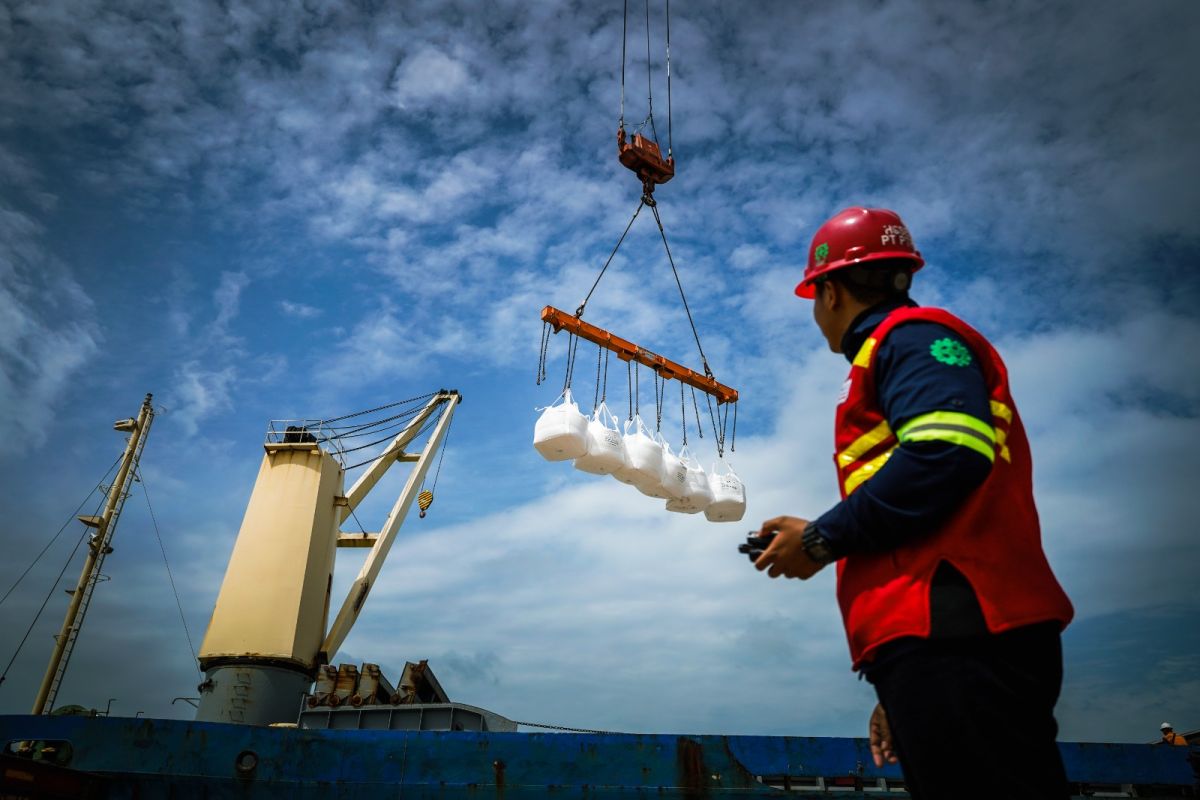
Kijing Terminal in Mempash Regency, West Kalimantan, continues to strengthen its role as a strategic logistics hub supporting economic, trade, and industrial growth in the western region of Kalimantan. Operated by PT Pelabuhan Tanjung Priok (PTP Nonpetikemas), Kijing Terminal serves various types of cargo, including dry bulk, liquid bulk, general cargo, bag cargo, and containers, to support both national and international supply chains.
As of September 2026, Kijing Terminal has recorded growing operational performance, with dry bulk throughput reaching 2.37 million tonnes, liquid bulk at 126,000 tonnes, and general and bag cargo at 340,000 m³. This growth is supported by service diversification, including container handling services which have been operational since June 2026.
In terms of infrastructure, Kijing Terminal is designed to accommodate large vessels of up to 100,000 DWT, with a simultaneous berthing capacity of more than 15 ships. Operational reliability is being continuously enhanced through the optimisation of supporting facilities, including harbour mobile cranes, hoppers, grabs, and buckets, as well as the strengthening of the port’s electrical network.
Beyond serving general cargo flows, Kijing Terminal plays a crucial role in supporting the national industrial ecosystem and downstreaming efforts, particularly through logistics services for the MIND ID Group. This includes supporting the development of an integrated mineral processing industry in Mempawah, which integrates bauxite processing into alumina and aluminium.
Up to September 2026, Kijing Terminal has handled approximately 2.54 million tonnes of cargo belonging to the MIND ID Group, consisting of 2.41 million tonnes of dry bulk and 103.97 thousand tonnes of liquid bulk. This activity serves as a primary pillar of Kijing Terminal’s performance, with MIND ID Group’s contribution reaching approximately 72% of the terminal’s total revenue up to August 2026.
Moving forward, Kijing Terminal’s role in supporting the downstreaming ecosystem is projected to become even more strategic alongside the development of the Smelter Grade Alumina Refinery (SGAR) Phase 2 by MIND ID in Mempawah, which is targeted to operate in 2028. SGAR Phase 2 will have a production capacity of 1 million tonnes of alumina per year. Together with SGAR Phase 1, the alumina production capacity in Mempawah will eventually reach approximately 2 million tonnes per year.
This integrated development will simultaneously strengthen the domestic aluminium industry supply chain, from bauxite and alumina to aluminium. This situation also bolsters Kijing Terminal’s prospects as a vital part of the growing logistics and industrial ecosystem in Mempawah and West Kalimantan.
“Kijing Terminal is showing very good development and has now become the largest contributor to PTP after the Tanjung Priok Branch. This demonstrates that Kijing has a continuously evolving strategic prospect,” said the President Director of PTP, Indra Hidayat Sani.
According to Indra, PTP will continue to optimise Kijing Terminal’s potential by strengthening logistics services and capacity, particularly in supporting the industrial development and downstreaming needs alongside the MIND ID Group.
To ensure the smooth flow of goods to and from Kijing Terminal, PTP is also pushing for the strengthening of land logistics connectivity. Pelindo has held discussions with local governments to follow up on development prospects and the effectiveness of supporting infrastructure construction in Mempash Regency.
“Connectivity is a crucial factor in the development of Kijing Terminal. Therefore, we continue to coordinate with the government to encourage the improvement of road infrastructure that supports the smooth mobility of logistics vehicles to and from the terminal,” said Indra.
In line with the need for increased connectivity, Pelindo has also initiated the construction of new roads as an effort to support access for cargo vehicles to the Kijing Terminal area. Meanwhile, PTP continues to advocate for the need for improved connectivity infrastructure to the central government so that the logistics chain in the region can be further optimised.
In addition to connectivity, PTP pays close attention to occupational health and safety (K3), including facing operational challenges caused by weather conditions and haze phenomena occurring in several areas of West Kalimantan.
“PTP is fully committed to maintaining the health and safety of field workers. We are preparing protective equipment, including masks, and optimising lighting in operational areas to ensure activities continue safely and worker conditions are maintained,” said Indra.
Beyond the mining and mineral processing sectors, Kijing Terminal also has opportunities to continue developing logistics services for various industrial sectors in West Kalimantan, including the crude palm oil (CPO) derivative industry and other developing industrial zones.
With this potential, PTP is committed to continuously increasing the capacity and quality of Kijing Terminal’s services to maintain supply chain continuity, strengthen inter-island and international connectivity, and support the economic growth of the West Kalimantan region.
Source: jawawa.id (https://jawawa.id/newsitem/kijing-terminal-grows-as-a-strategic-logistics-and-trade-hub-in-west-kalimantan-1791385286)
Originally published by Antara (Indonesian) (https://www.antaranews.com/berita/5775898/terminal-kijing-tumbuh-sebagai-simpul-logistik-dan-perdagangan-strategis-di-kalimantan-barat), translated from Indonesian