
Khamenei's Funeral: Red Flags and Calls for Revenge in Tehran
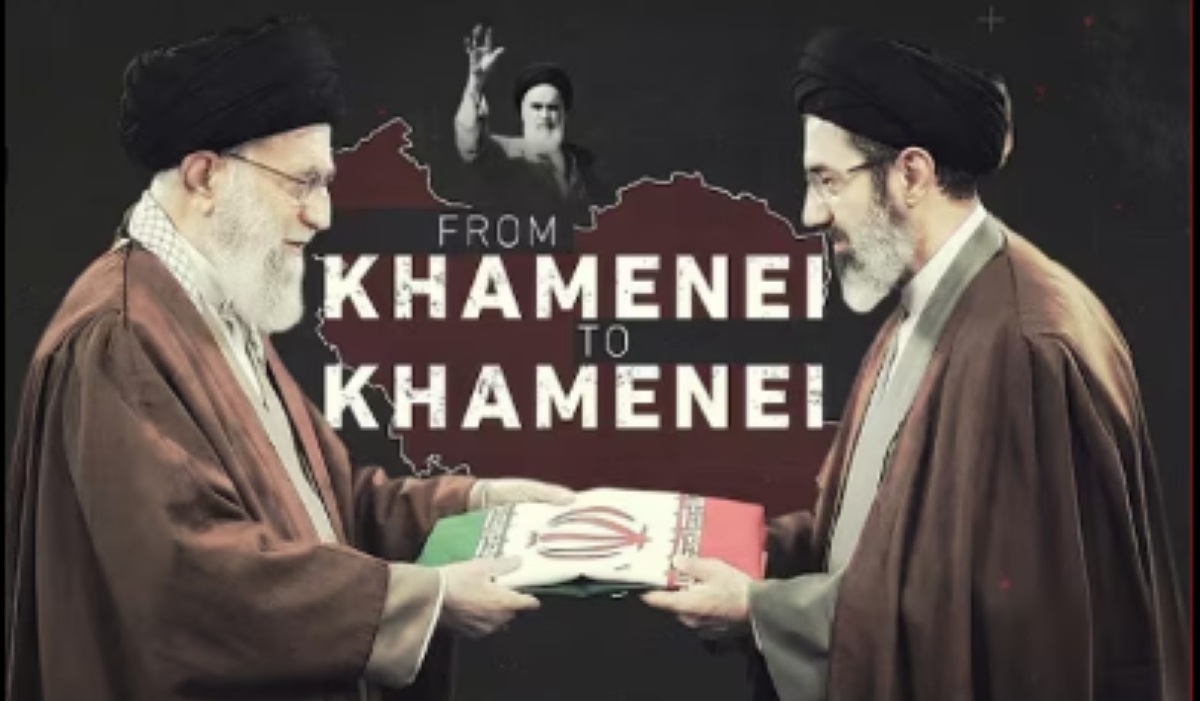
The tribute and funeral procession for Iran’s former Supreme Leader, Ayatollah Ali Khamenei, which commenced on 3 July, was characterised by a sea of red flags waved by mourners at various ceremony locations. The presence of these symbols underscored a profound atmosphere of mourning alongside escalating political tensions.
In Shia tradition, the red flag holds powerful symbolic meaning as a emblem of blood shed unjustly. Its waving serves as an open call to demand retribution against those deemed responsible for an individual’s death.
In the Grand Mosalla area of Tehran, mourners were seen carrying banners and red flags inscribed with various slogans of resistance. These included ‘Ya Latharat al-Hussein’, meaning ‘O avenger of Hussein’, as well as the new slogan ‘Ya Latharat al-Khamenei’, meaning ‘O avenger of Khamenei’.
This expression is rooted in Shia history, commemorating the death of Imam Hussein, the grandson of the Prophet Muhammad, at the Battle of Karbala in 680 AD. This historic event is commemorated annually as a symbol of the struggle against oppression and tyranny.
Historically, the call of ‘Ya Latharat al-Hussein’ has been used to stir the spirit of seeking justice for spilled blood. In the context of this funeral, the slogan has evolved into ‘Ya Latharat al-Khamenei’, interpreted as a collective call to avenge the death of Iran’s former Supreme Leader.
In addition to the red flags, mourners also carried the national flag of Iran and yellow banners identical to those of Hezbollah. Millions of citizens are expected to attend the funeral prayers and the burial procession for Ali Khamenei and four members of his family, who were killed in US and Israeli attacks on his residential complex on 28 February.
The presence of his immediate family was a focal point of the procession. Only three of Ali Khamenei’s sons—Masoud, Meysam, and Mostafa—were seen attending, representing the family during the final honours for their father under heavy security.
Amidst the ongoing funeral proceedings, US President Donald Trump issued provocative statements regarding the situation in Iran. He claimed to possess the military capability to strike while Iranian leaders were gathered, but chose to exercise restraint.
“They are all there. With just one shot, we could finish them all. But we will not do it because then we would have no one left to negotiate with,” Trump stated, as quoted by Al Jazeera.
The Ambassador of the Republic of Indonesia to Iran, Rolliansyah Soemirat, represented the Indonesian Government during the final tribute to Ayatollah Ali Khamenei.
Numerous world leaders and international delegations arrived in Tehran to attend the series of funeral ceremonies, which are scheduled to continue until 9 July. The procession was attended by anti-war and anti-hegemony movement figures from several European nations, including Italy, the Netherlands, the United Kingdom, Denmark, and Australia.
The body of Iran’s Supreme Leader, Ali Khamenei, arrived at the Grand Mosalla religious complex in Tehran on Friday (3/7) ahead of the state funeral procession.